Kabul, March 8 – Fuel and food supplies to several parts of Balochistan, Pakistan, have been disrupted due to the conflict between Iran, Israel, and the US, leading to rising prices and fears of shortages in border areas, according to local media.
Regions along the border with Iran, particularly the Makran and Rakshana areas, including Gwadar, Kech, Panjgur, Chagai, and Washuk, heavily rely on Iranian goods, which are cheaper and more readily available than supplies from other parts of Pakistan, The Balochistan Post reported.
Local traders said that the closure of the border and restrictions on Iranian exports have significantly reduced the flow of essential goods into the region.
Ishaq Roshan Dashti, President of the Makran Traders Alliance, stated that nearly 80 per cent of the fuel and food consumed in border areas comes from Iran.
He added that Iranian goods had already become more expensive following Iran's imposition of over 30 per cent tax on the export of food items after protests erupted earlier this year.
"Since the war began, border trade has almost ceased," Dashti said, adding that the Iranian government has imposed a complete ban on the export of food items, disrupting the supply of flour, cooking oil, milk, yoghurt, LPG gas, petrol, and diesel.
Traders reported that shortages have started to appear in local markets, while those who have stock are selling products at higher prices.
Traders have reported that the prices of food items have increased by 30 per cent to 40 per cent in coastal districts, including Gwadar, Jiwani, Pasni, and Ormara.
Mashkel is also experiencing a similar situation. Local trader Khuda Dad said that Mashkel has historically relied on Iranian products due to its lack of proper road connectivity with other regions of Pakistan. He added that the prices of most goods have increased sharply over the past week.
He further stated that the price of LPG gas has doubled to around Pakistani Rupees (PKR) 600 per kg, while the rate of diesel and cooking oil has increased by 60 per cent to 70 per cent, The Balochistan Post reported.
Rising fuel prices are also impacting the fishing industry in Gwadar, where a large number of people depend on this sector for their livelihoods.
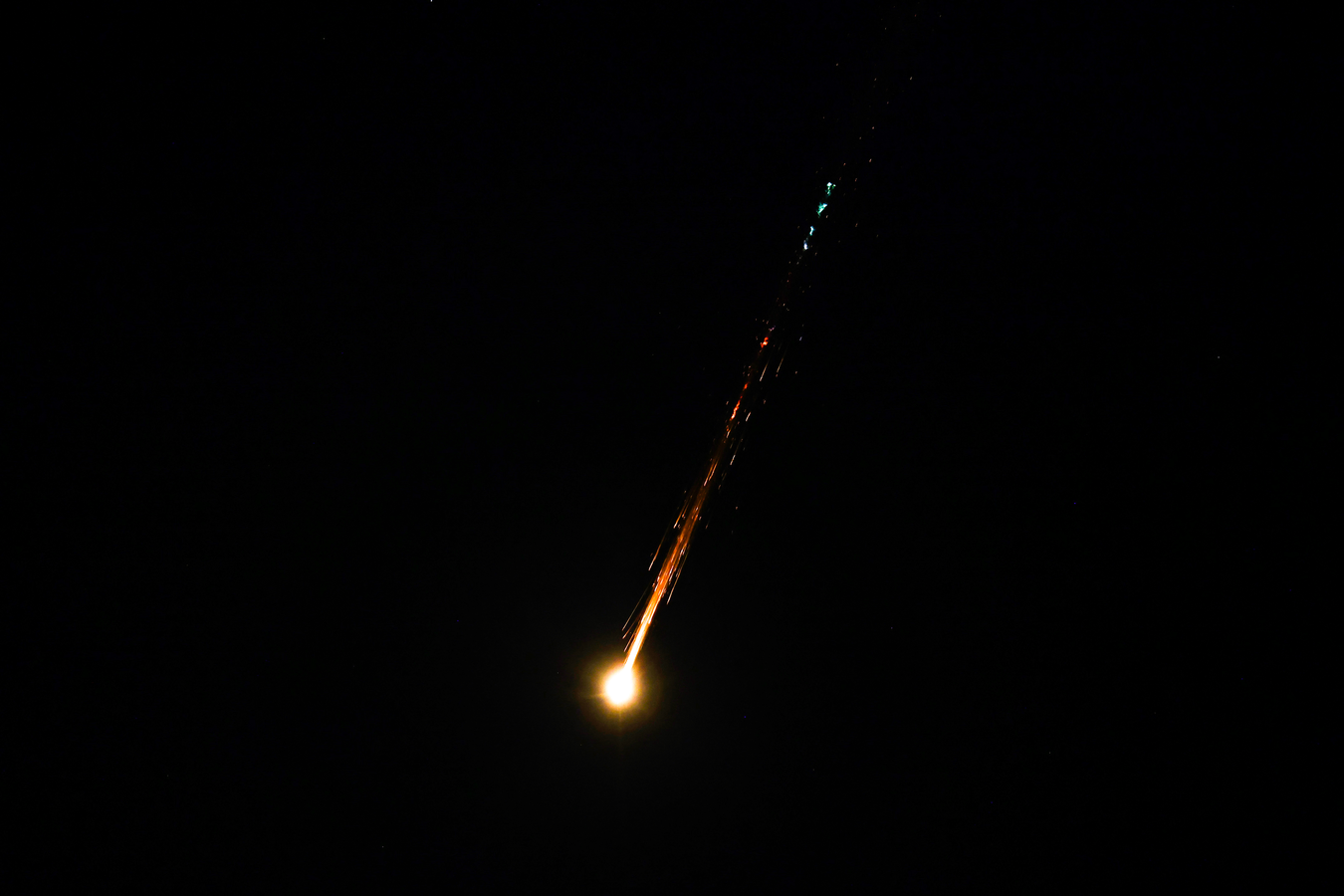
The ongoing conflict in West Asia began after joint US-Israeli strikes on Iran, aimed at degrading Tehran's missile capabilities and broader military infrastructure.
The initial phase of the operation resulted in the deaths of senior figures in the Iranian leadership, including Supreme Leader Ayatollah Ali Khamenei, triggering a sweeping response from Iran in the form of drone and missile attacks targeting US assets, regional capitals, and allied forces across West Asia.