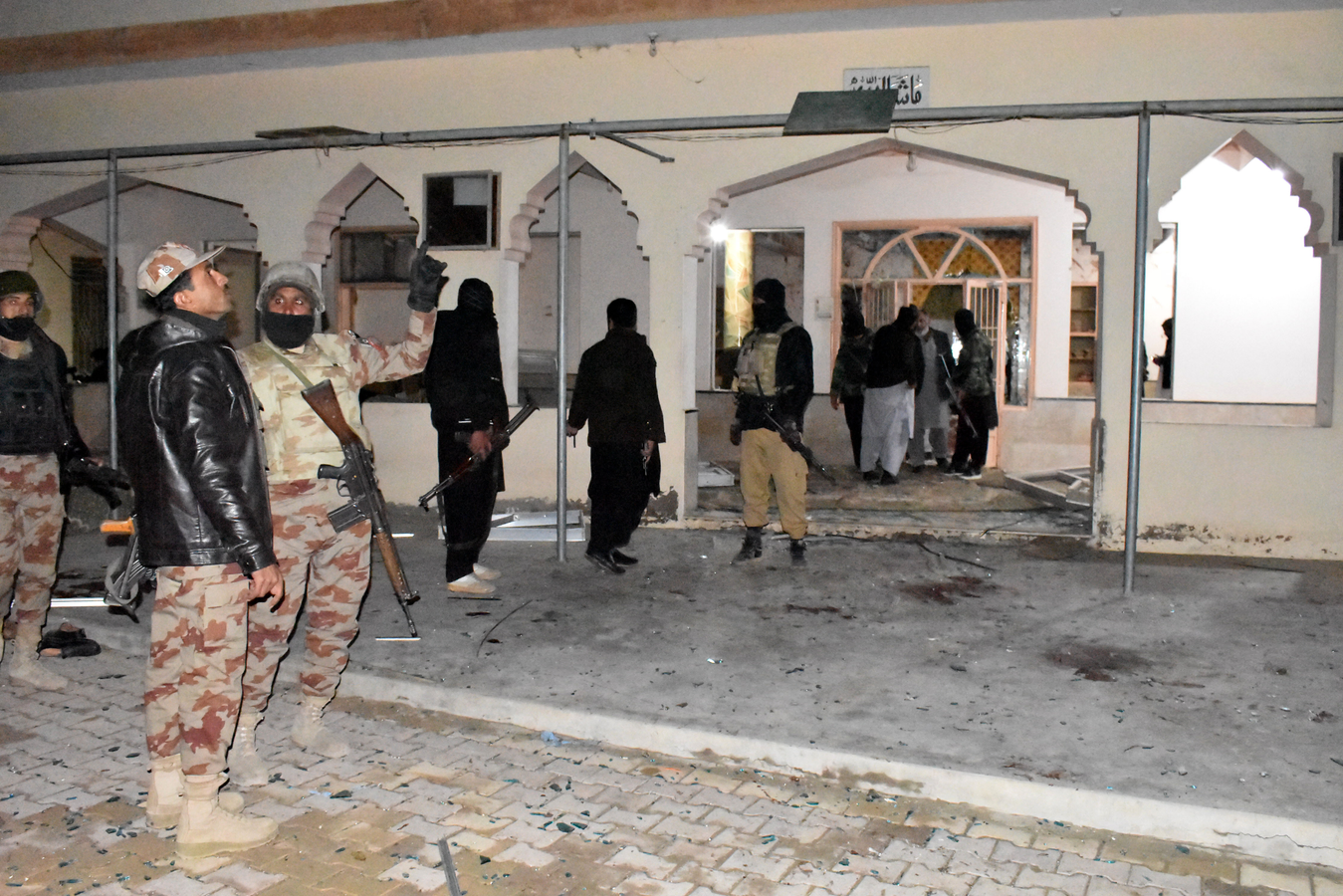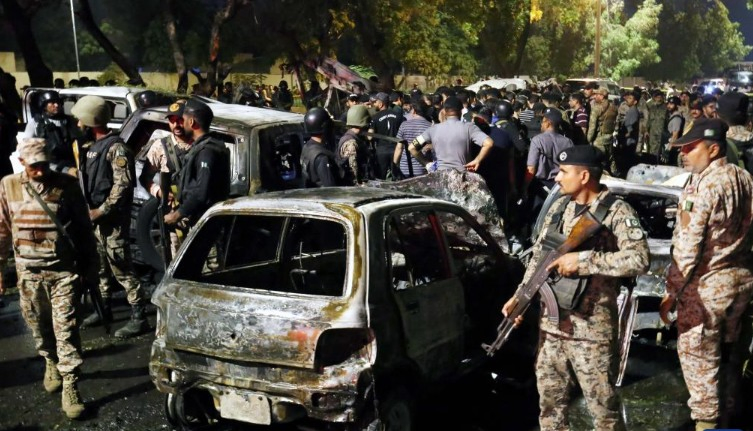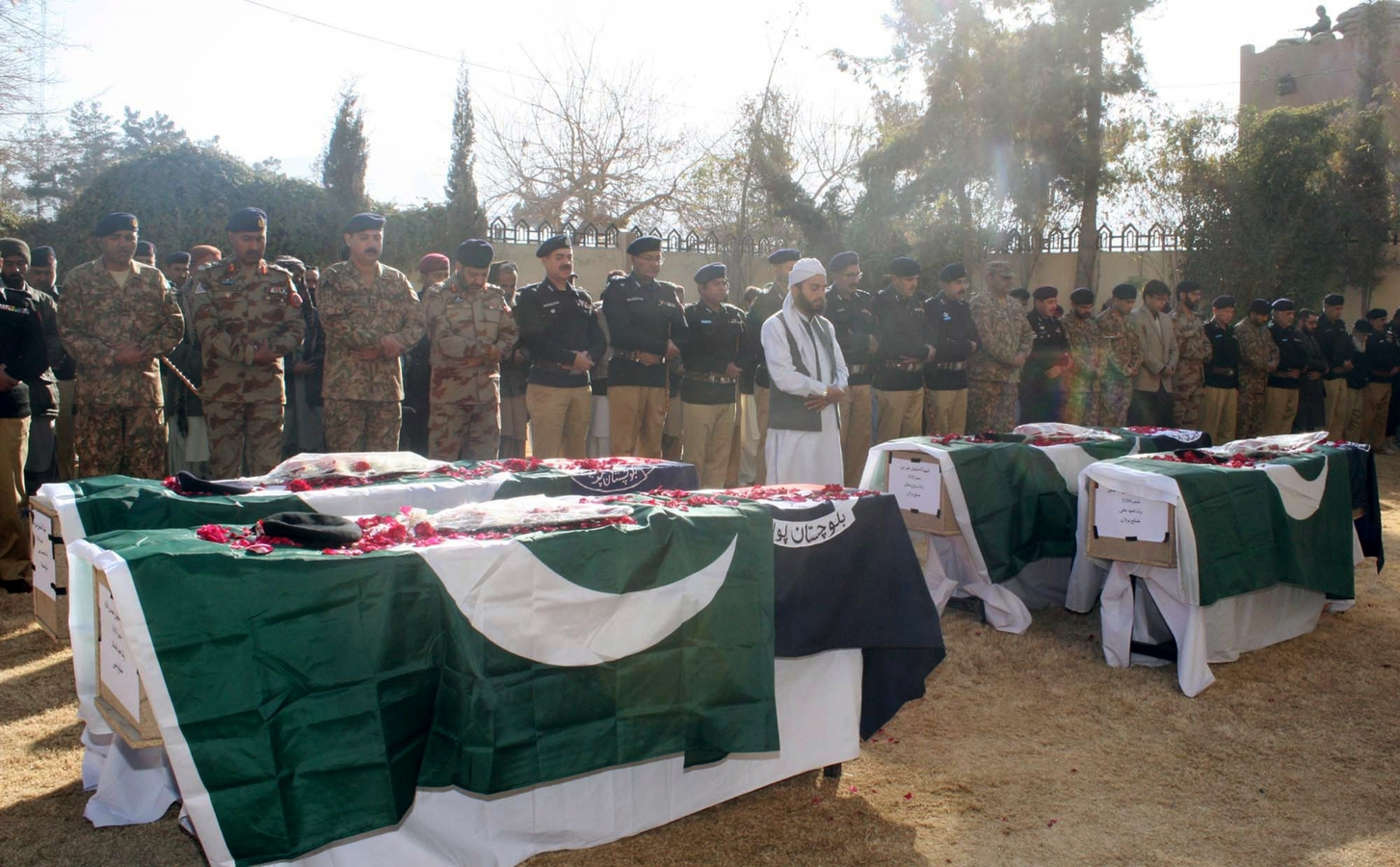
Islamabad, March 7 – The Balochistan province of Pakistan reflects more than just a regional crisis, exposing the structural weaknesses of the Pakistani authorities and underscoring the risk of militarizing politics.
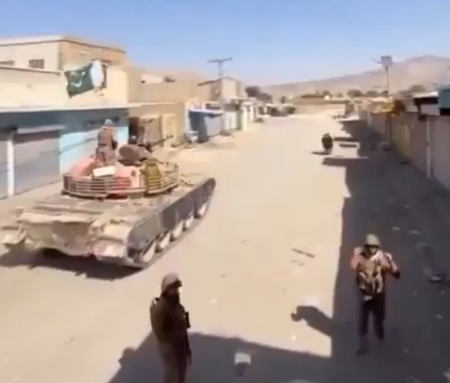
By portraying Balochistan solely as a security problem, Islamabad's approach is proving increasingly short-sighted. Peaceful forms of dissent – from marches by families of the disappeared to student protests – are being suppressed through arrests, media blackouts, and intimidation, a report highlights.
"Balochistan is not simply sinking into violence; it is being systematically pushed outside Pakistan's political framework. In recent years, Islamabad has replaced governance with military management, reframing a profound political crisis as a technical problem of security. The systematic downplaying of military casualties, persistent allegations of enforced disappearances, and the collective criminalization of the Baloch population are not collateral damage but elements of a deliberate strategy of control," Dimitra Staikou, a Greek writer, wrote in 'Eurasia Review' recently.
"As long as the Pakistani state refuses to acknowledge the political and social roots of the insurgency, it deepens alienation and legitimizes the rupture in the eyes of local communities. If this trajectory continues, Balochistan risks following a familiar historical path: from an 'internal security issue' to violent separation – a new Bangladesh, this time produced by Islamabad's own choices," she added.
Staikou highlighted that the insurgency in Balochistan is neither recent nor primarily driven by external interference, but represents the continuation of a decade-long conflict that began with the province's incorporation into Pakistan in 1948.
"Since then, Baloch communities have consistently argued that they are denied political autonomy, economic participation, and control over their own natural resources. Their grievances have been met with a predominantly military response. Heavy-handed security operations, extensive troop deployments, and widespread accusations of enforced disappearances and extrajudicial killings have entrenched a cycle of violence," she stressed.
According to the report, each Pakistani military operation described as "restoring order" strengthens perceptions of occupation and fuels recruitment into armed separatist groups like the Baloch Liberation Army (BLA). The decade-long conflict in Balochistan has now assumed a critical economic and geopolitical dimension, Staikou mentioned.
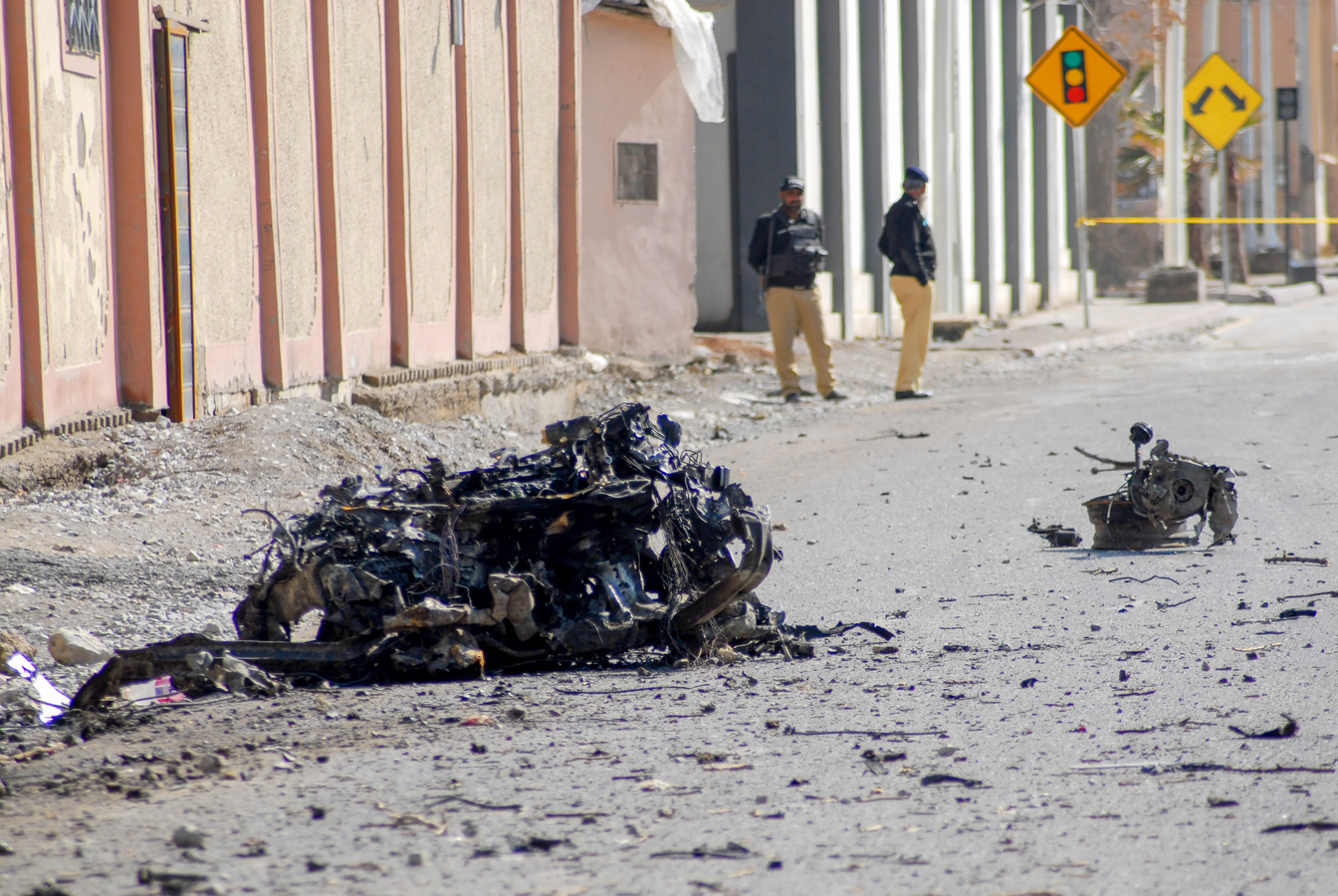
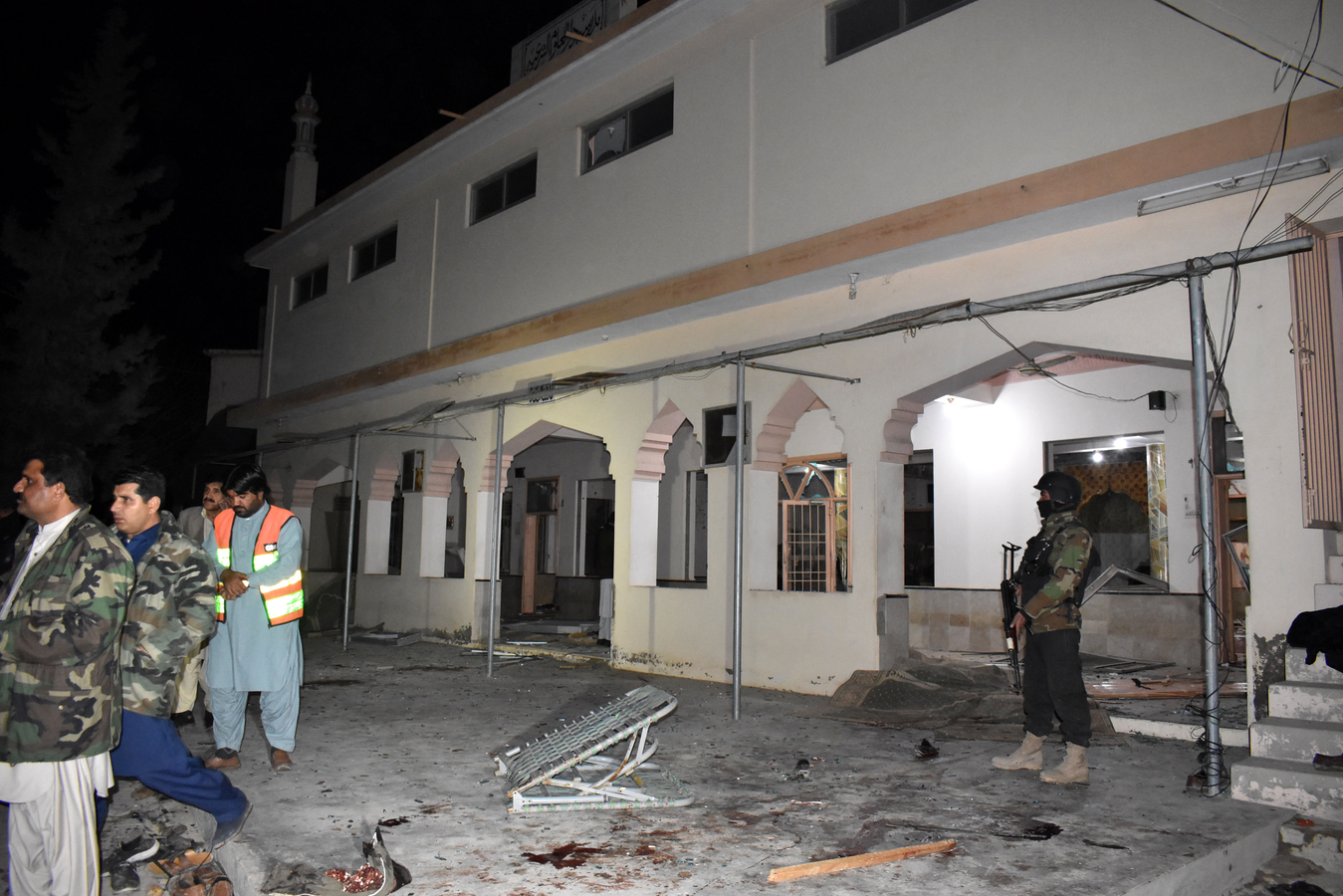
"Balochistan lies at the heart of China's investments in Pakistan through the China-Pakistan Economic Corridor (CPEC) and is also central to Islamabad's recent attempts to attract US capital into the mining sector. The province's vast reserves of copper, gold, coal, and gas have become central to Pakistan's economic recovery narrative. Yet, the state struggles to guarantee even basic security for heavily guarded infrastructure projects. Persistent attacks signal that militarization has failed to create sustainable stability," it mentioned.
The report further said, "As long as Pakistan's military leadership prioritizes image management over confronting reality, Balochistan will remain an open wound – not only for its people or for Pakistan's future, but for an international system that can no longer afford to treat such a crisis as a distant, localized affair without global consequences."