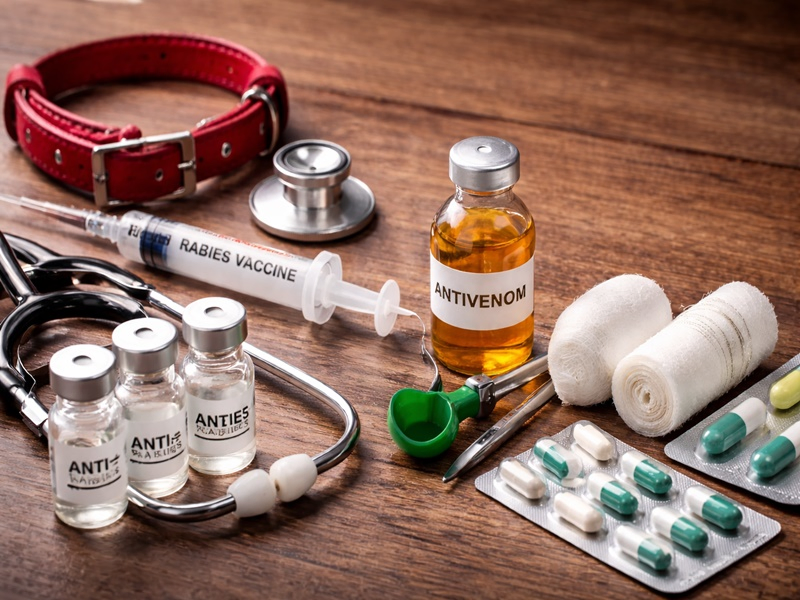
Bengaluru, February 27 – The Karnataka government, led by the Congress, reaffirmed its commitment to eliminating dog-mediated human rabies by 2030 and reducing deaths caused by venomous snakebites through the implementation of two comprehensive state action plans.
The State Action Plan for Rabies Elimination (SAPRE) and the State Action Plan for Snakebite Prevention and Control (SAPSE) were launched by Health and Family Welfare Minister Dinesh Gundu Rao. He said the initiatives aim to strengthen prevention, treatment, surveillance, and coordinated interdepartmental response.
Aligned with the National Rabies Control Programme and the national goal of “Zero Human Deaths due to Dog-Mediated Rabies by 2030”, the rabies elimination plan adopts a One Health approach involving the health, veterinary, urban development, and education sectors. Although rabies is preventable, it remains almost invariably fatal once clinical symptoms appear, making early intervention and prevention critical.
Speaking on the occasion, Rao said the state has set a target of reducing rabies deaths to zero by 2030. Anti-rabies vaccines and rabies immunoglobulin will be provided free of cost at all Primary Health Centres (PHCs), Community Health Centres (CHCs), taluk hospitals, and district hospitals across the state. These facilities have been directed to maintain adequate stocks of the medicines at all times.
Private hospitals have also been instructed to maintain sufficient stocks and provide immediate treatment without insisting on advance payment. The Department of Health and Family Welfare had declared rabies a notifiable disease in December 2022 to ensure systematic reporting and monitoring, he said.
To ensure effective implementation, the government has constituted state- and district-level joint steering committees for coordination and monitoring. As part of the Rabies-Free Cities Initiative, targeted interventions are being undertaken in 11 major cities, including Bengaluru, Belagavi, Ballari, Davanagere, Hubballi-Dharwad, Kalaburagi, Mangaluru, Mysuru, Shivamogga, Tumakuru, and Vijayapura, the Minister said.
The veterinary department will focus on mass dog vaccination and dog population management, while urban local bodies will oversee pet registration, vaccination monitoring, and waste management to prevent stray dog congregation. Medical colleges are strengthening anti-rabies clinics and training healthcare professionals to improve treatment protocols and reporting mechanisms, he added.
The government has also launched a separate action plan to reduce deaths caused by venomous snakebites. Prepared in accordance with Central government guidelines, the plan focuses on prevention, timely treatment, capacity building of healthcare personnel, and public awareness. Snakebite cases were declared a notifiable disease in the state in 2024, Rao stated.
He said free treatment will be provided to snakebite victims, and private hospitals have been directed to offer immediate life-saving care without demanding advance payment.
Officials said both action plans emphasise interdepartmental coordination, improved access to treatment, and public participation. The government has urged citizens, private institutions, and civil society organisations to cooperate in achieving the goal of eliminating rabies deaths and significantly reducing snakebite fatalities in Karnataka by 2030.