Srinagar, March 23 – Teams from the National Investigation Agency (NIA) conducted searches at multiple locations in Jammu and Kashmir on Monday as part of the investigation into the 2025 Red Fort explosion case.
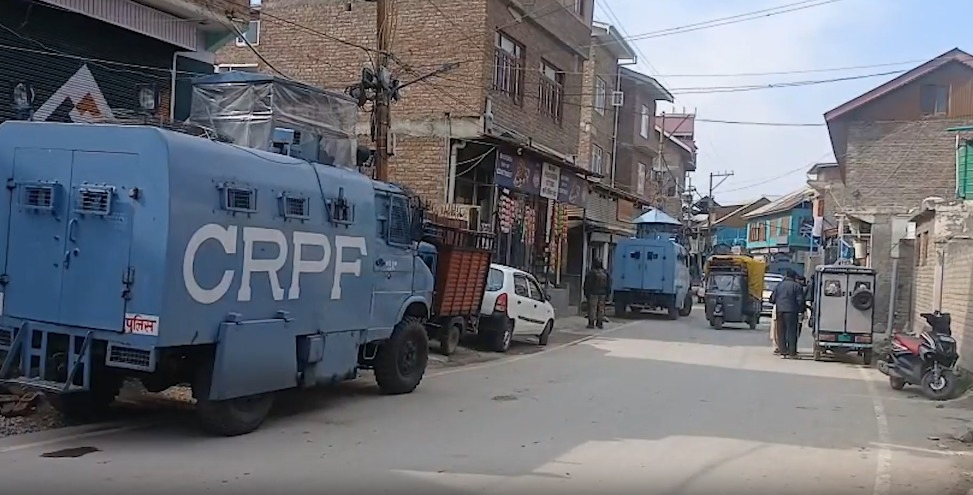
Officials said that NIA teams raided the residence of a businessman in the Guloora area of Handwara this morning, in connection with the blast case. The NIA teams, assisted by the J&K Police and the CRPF, searched the premises and examined documents and devices.
A statement from the agency said that searches were being conducted at nine locations in various parts of the union territory.
An official added that "the NIA conducted raids at multiple locations across Kashmir as part of its ongoing investigation into the November 10 car blast near Delhi's Red Fort".
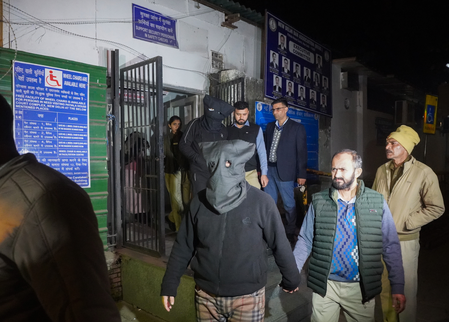
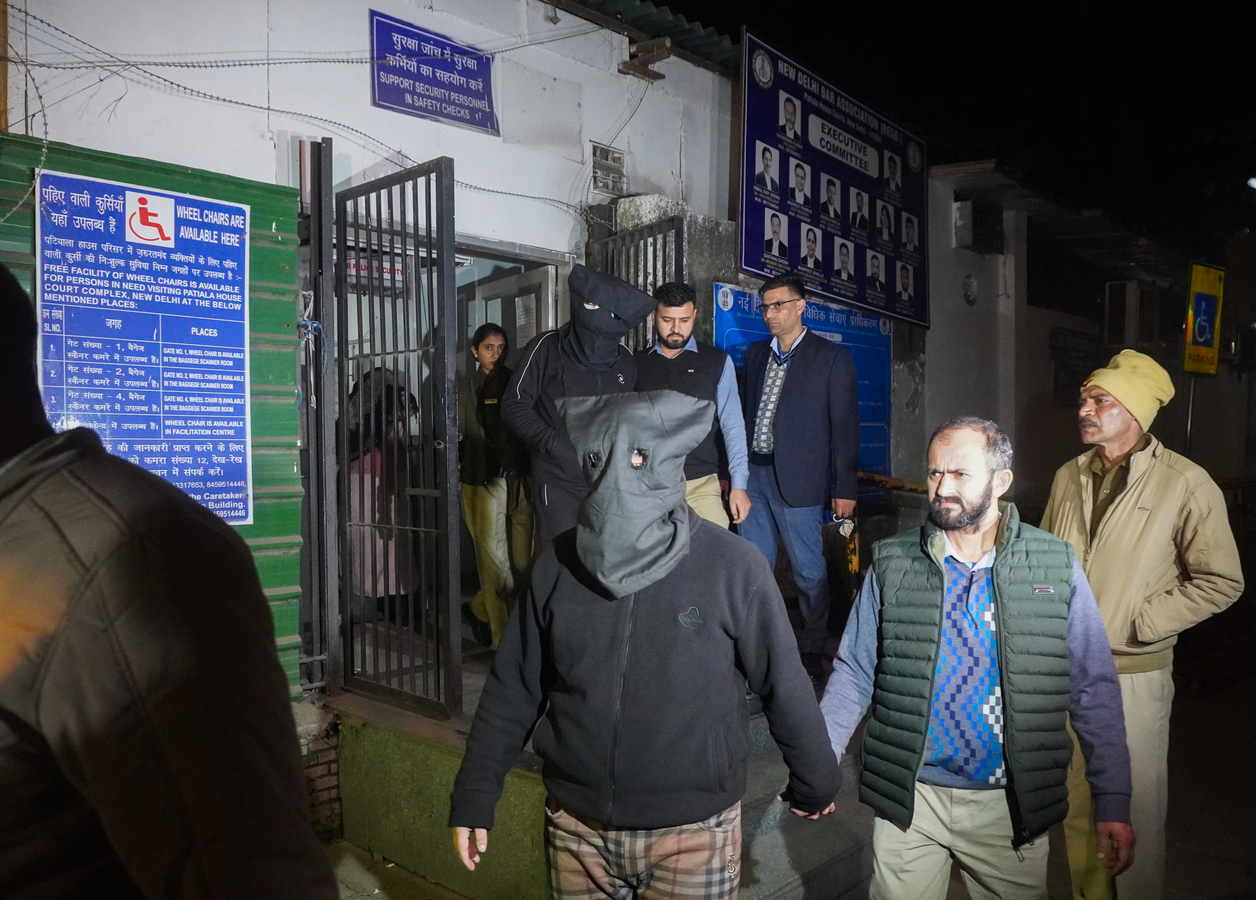
The raids were carried out at six locations across Srinagar, Baramulla, Kupwara and Kulgam districts, at premises linked to individuals arrested in connection with the "terror module" behind the blast, which killed 11 people and injured 32 others.
Sources said that the NIA conducted a search at the residence of Dr Bilal Naseer Malla, a resident of Rafiabad in Baramulla district, who was arrested in connection with the case.
Another search was carried out in the Langate area of Kupwara district. The NIA has apprehended 11 people, including several doctors, so far during the investigation into the bomb blast case.
The prime accused, Dr Umer Un Nabi, was also killed in the deadly explosion.
Officials said that teams of NIA, assisted by police and the CRPF, searched the premises and examined documents and devices.
It should be mentioned that on November 10, 2025, a Vehicle-Borne Improvised Explosive Device (VBIED) detonated at the Red Fort in Delhi.
The attack was orchestrated by a "white-collar" cell of professionals, including doctors from Al-Falah University, linked to transnational groups such as Jaish-e-Mohammad and Ansar Ghazwat-ul Hind.
This event signalled a potential shift from border-centric militancy to urban-embedded operations, where actors exploit metropolitan anonymity and logistical networks within the country's interior.