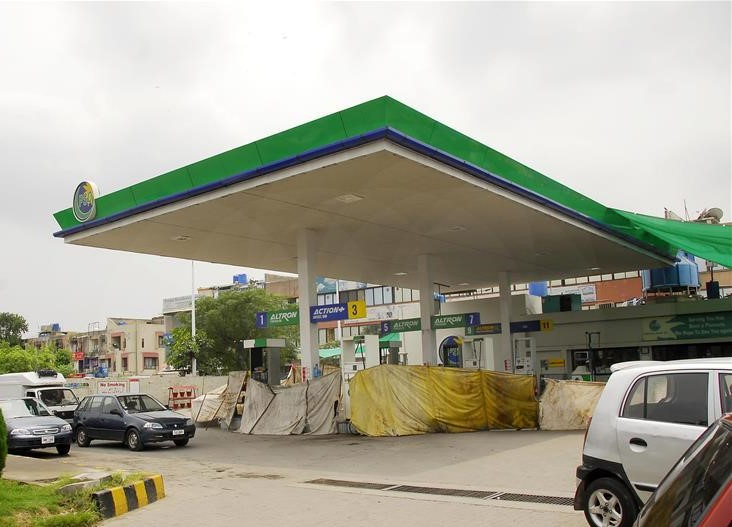
Islamabad, April 6 – Residents in Peshawar and other parts of Khyber Pakhtunkhwa, Pakistan, have been facing difficulties due to a severe shortage of natural gas, as CNG stations across the province have remained closed, local media reported on Monday.
Most school bus and van operators have suspended their services due to the unavailability of CNG, while public transport operators have increased fares after switching to petrol, further burdening residents, according to Pakistan's leading daily, 'The Express Tribune'.
CNG filling stations remained closed for the second consecutive day in Peshawar and other parts of Khyber Pakhtunkhwa on Sunday. Several areas in Khyber Pakhtunkhwa experienced unscheduled power outages for natural gas, further exacerbating the problems for both domestic and commercial consumers.
The closure of CNG stations has forced many vehicles to either stop operating or run at higher petrol prices, leading to further increases in transport fares. School transport operators are among the most affected, as they have stated that operating on petrol is beyond their capabilities, leaving them with no other option than to disrupt their services, as reported by 'The Express Tribune'. Parents have expressed concern over the suspension of school transportation, fearing that it will impact children's education and daily routines.
Public transport operators are also facing several difficulties, as those who have switched to petrol have increased fares. They have warned of suspending services if CNG stations do not resume operations.
On April 2, the Pakistani government announced a sharp increase in fuel prices, with petrol rising by 43% and High-Speed Diesel (HSD) by 55%.
The price of petrol has been raised from PKR 321.17 to PKR 458.41 per litre, and the price of HSD has been increased from PKR 335.86 to PKR 520.35 per litre, according to 'Dawn', another leading daily in Pakistan. The price of kerosene has also been raised to PKR 457.80 per litre.
Petroleum levy rates were adjusted to limit the rise in diesel prices and its impact on transportation and freight costs. The levy on petrol was raised to PKR 160 per litre from PKR 105, while it was reduced to zero on diesel from PKR 55, as reported by 'Dawn'.
In his remarks on April 2, Pakistan's Minister of Petroleum, Ali Pervaiz Malik, stated that these "difficult but responsible" decisions were made after consultations with the country's President, Prime Minister, military leadership, and provincial chief ministers.
He said that the decision aimed to restrict subsidies to the most deserving segments while maintaining fiscal discipline and protecting economic stability achieved over the past two years under international commitments.