Chennai, February 21 – Even as sections of the DMK’s senior leadership attempt to connect with younger audiences through contemporary outreach styles, the DMK Youth Wing has begun reviving traditional "mandrams" across Tamil Nadu as structured training platforms for a new generation of cadres at the grassroots level.
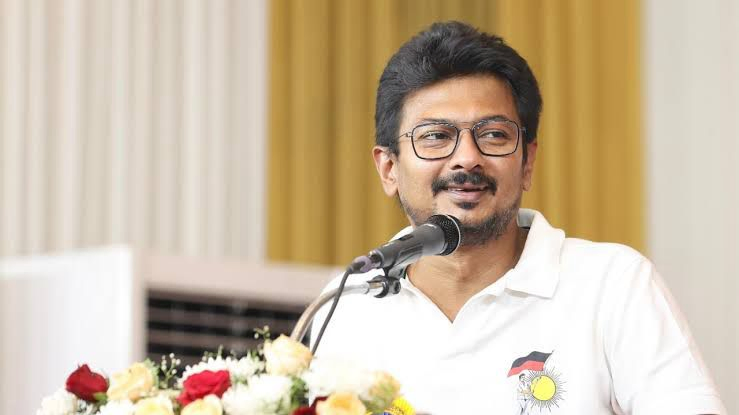
The first phase of this significant program was launched on Thursday in the western part of the Thousand Lights Assembly constituency in Chennai West district by Youth Wing secretary and Deputy Chief Minister Udhayanidhi Stalin.
The initiative envisions the formation of youth mandrams in every street with at least 20 members, signaling an ambitious effort to institutionalize political engagement at the neighborhood level.
Party sources indicate that this move is aimed at strengthening ideological training and deepening grassroots political participation at a time when political mobilization is increasingly driven by digital campaigns and social media outreach.
By reviving mandrams, the DMK appears to be reinforcing its traditional model of cadre-based politics rooted in collective learning and structured discussion.
Historically, mandrams functioned as ideological nerve centers of the Dravidian movement.
Often named after leaders such as Thiruvalluvar, Periyar, C.N. Annadurai, and M. Karunanidhi, these forums served as local political schools.
Cadres would gather to read party publications, debate contemporary political developments, discuss social issues, and organize neighborhood campaigns and street-corner meetings.
Senior functionaries describe the current initiative as an effort to recreate that ecosystem of political education.
Planned activities include collective reading sessions, policy discussions, outreach programs, and small public meetings designed to familiarize young members with the ideological foundations of the Dravidian movement.
This effort also draws parallels with former Chief Minister M. Karunanidhi’s early 1990s experiment with the Dravida Marumalarchi Mamandram, a postal-based course introduced to provide structured ideological training to party workers.
Political observers view the revival of mandrams as a strategic move ahead of upcoming elections, particularly in the context of shifting voter demographics.
With the emergence of new political formations and a section of young voters perceived as less ideologically anchored, the DMK’s renewed focus on cadre-building signals a long-term strategy to consolidate its grassroots presence and reinforce Dravidian political discourse among the next generation.