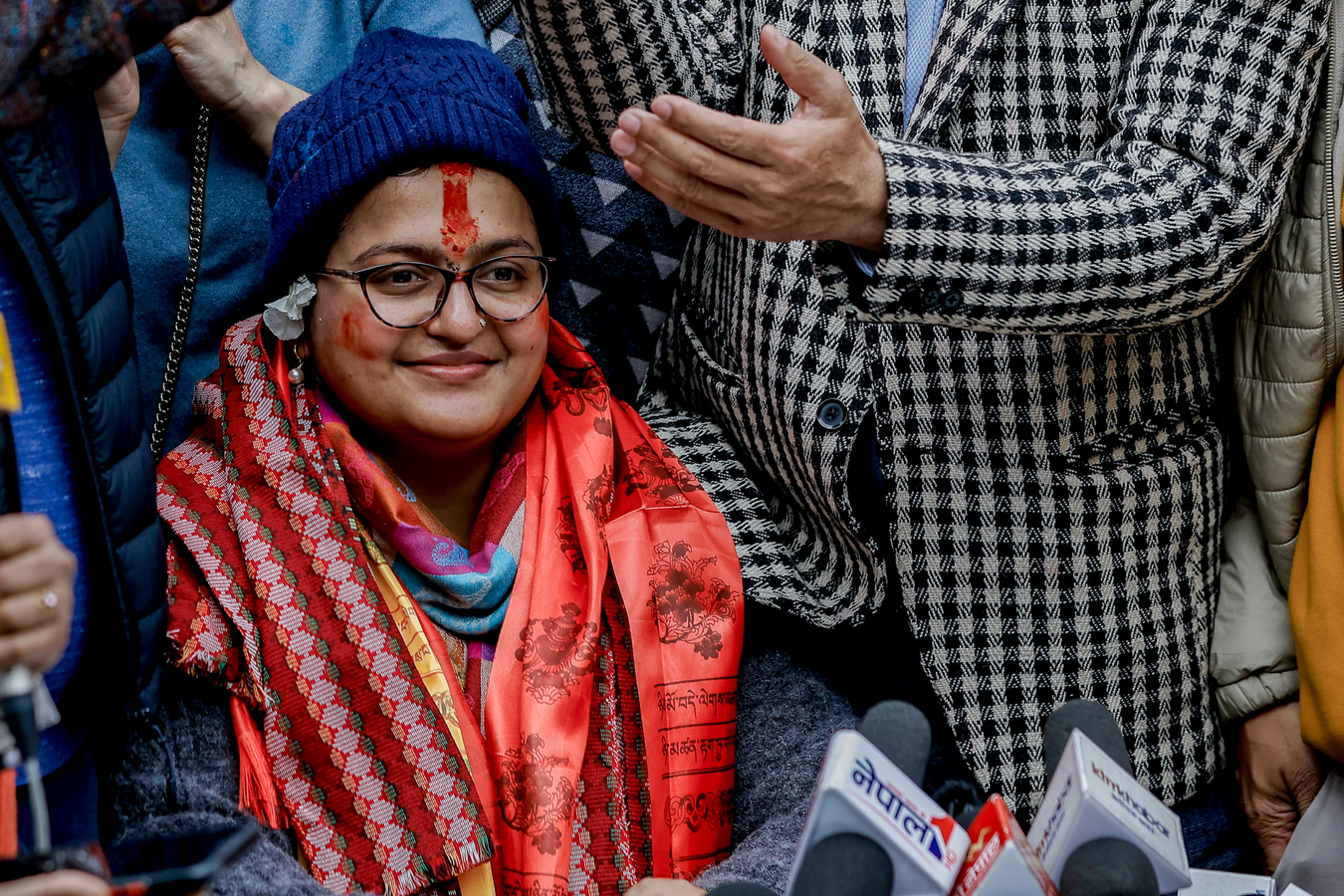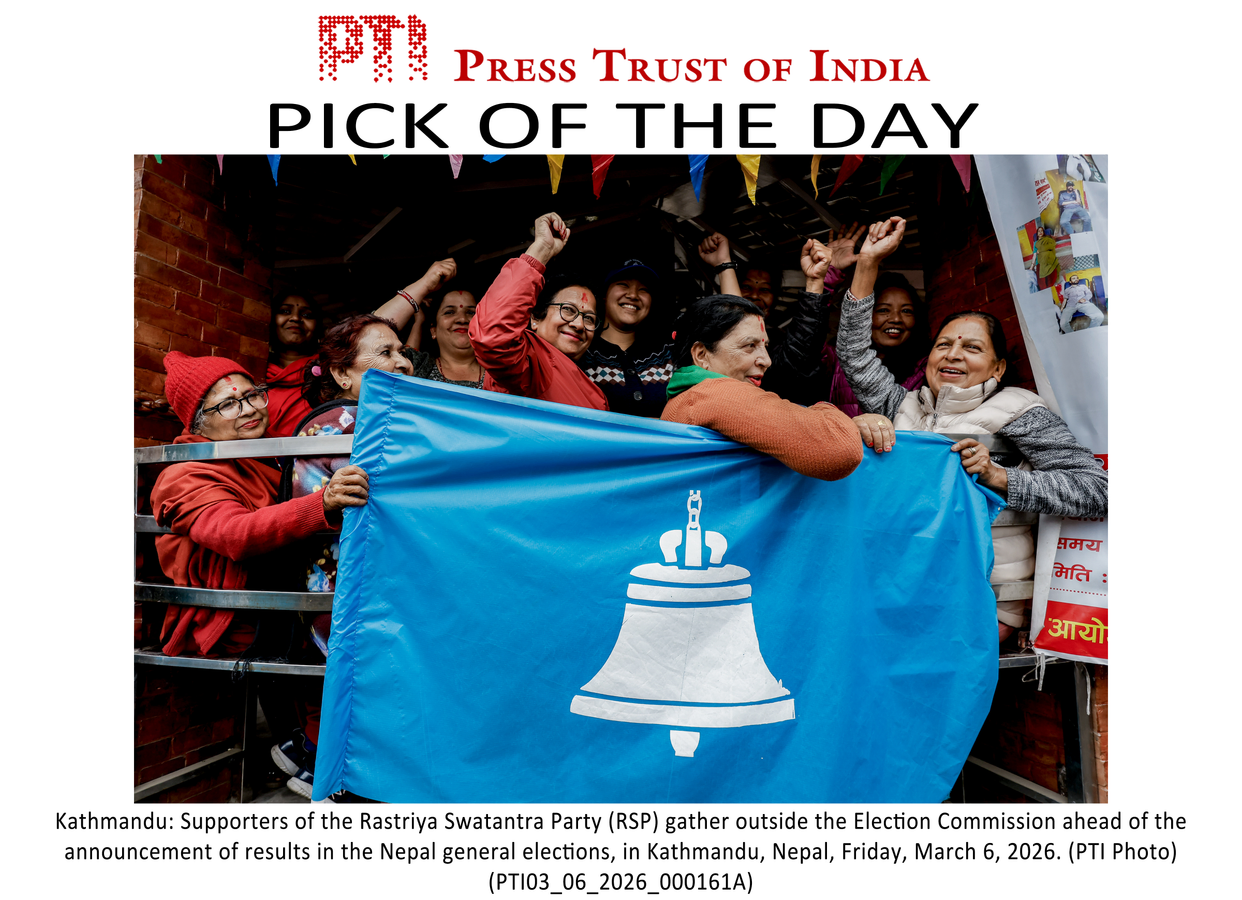
Kathmandu, March 6 The Rastriya Swatantra Party (RSP), formed by rapper-turned-politician Balendra Shah, is on track to win a landslide victory in Nepal's first general elections since the violent Gen Z protests, shattering the dominance of established political parties in the politically fragile nation.
According to the latest data from the Election Commission, the RSP has won 18 seats and is leading in 99 others.
The elections are being closely watched by India, which hopes for a stable government in the politically fragile Himalayan nation to further the developmental partnership between the two sides.
"We look forward to working with the new Government of Nepal to further strengthen the robust, multifaceted ties between our two countries and peoples for mutual benefit," said Randhir Jaiswal, spokesperson for the Ministry of External Affairs, in Delhi on Thursday.
He said that India has "consistently supported peace, progress, and stability in Nepal, and in keeping with our commitment, we have provided logistical supplies as per the request of the Government of Nepal for these elections."
The Nepali Congress has won four seats and is leading in 11 others, while the CPN-UML has won one seat and is leading in 11 constituencies. The Nepali Communist Party has won two seats and is leading in 10 constituencies. The Shram Sanskriti Party is now leading in only three seats, compared to six earlier.
Out of a total of 275 members of Parliament, 165 will be elected through direct voting, while the remaining 110 will be elected through a proportional method.
In the Nepal elections, approximately 18.9 million voters were eligible to elect 275 members of the House of Representatives, with around 60 per cent of them turning out to vote on Thursday.
Around 3,400 candidates are vying for 165 seats through direct voting, and 3,135 candidates for 110 seats through proportional voting.
The Gen Z youth, through their two-day intensified protests on September 8 and 9 last year, ousted Prime Minister Oli, who was heading a coalition government with the backing of the Nepali Congress, which enjoyed nearly two-thirds majority support.
After Oli's ouster, President Ramchandra Paudel dissolved the House of Representatives on September 12 and appointed Sushila Karki as the caretaker PM.
The major issues raised by Gen Z are anti-corruption, good governance, an end to nepotism, generational change in political leadership, etc.