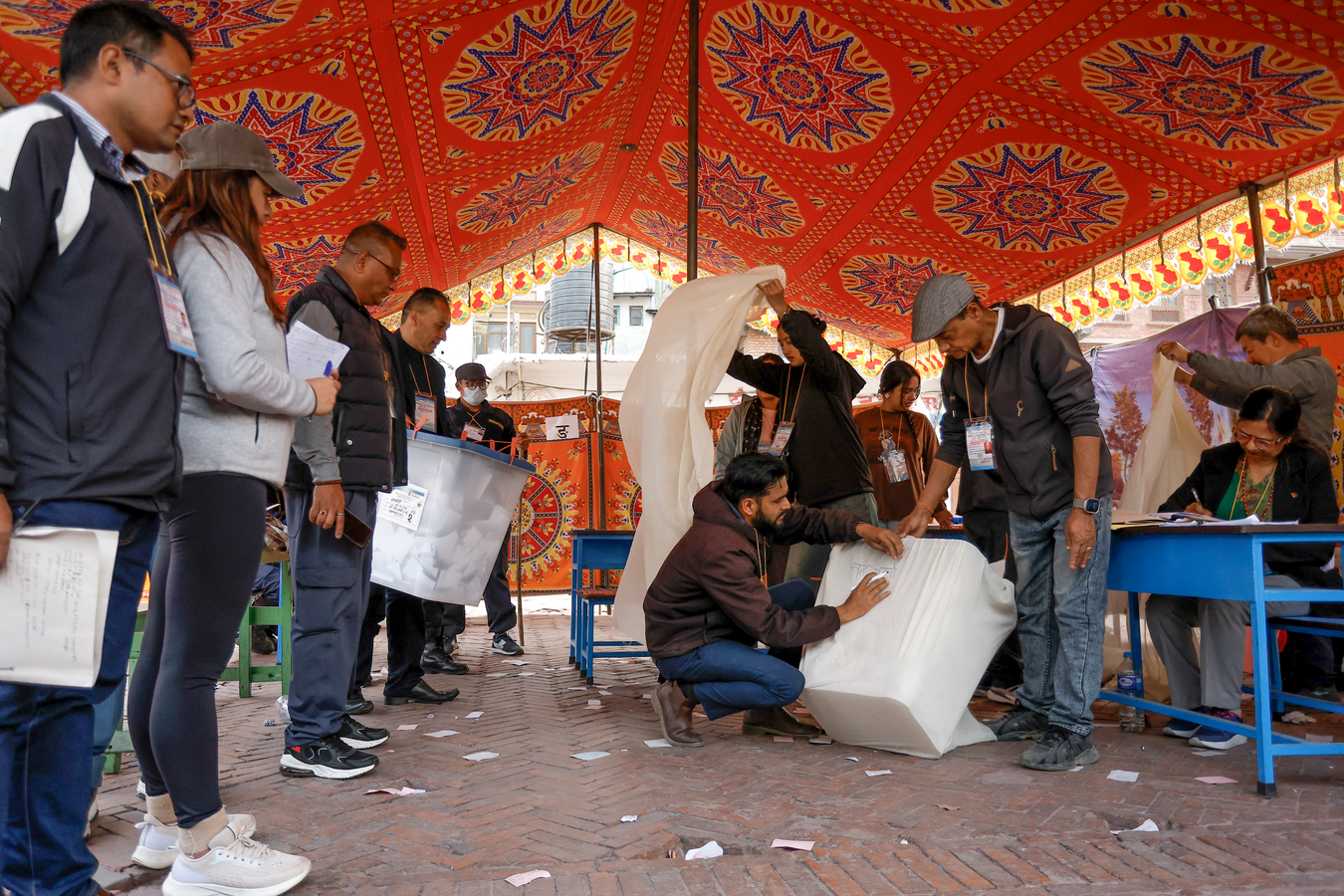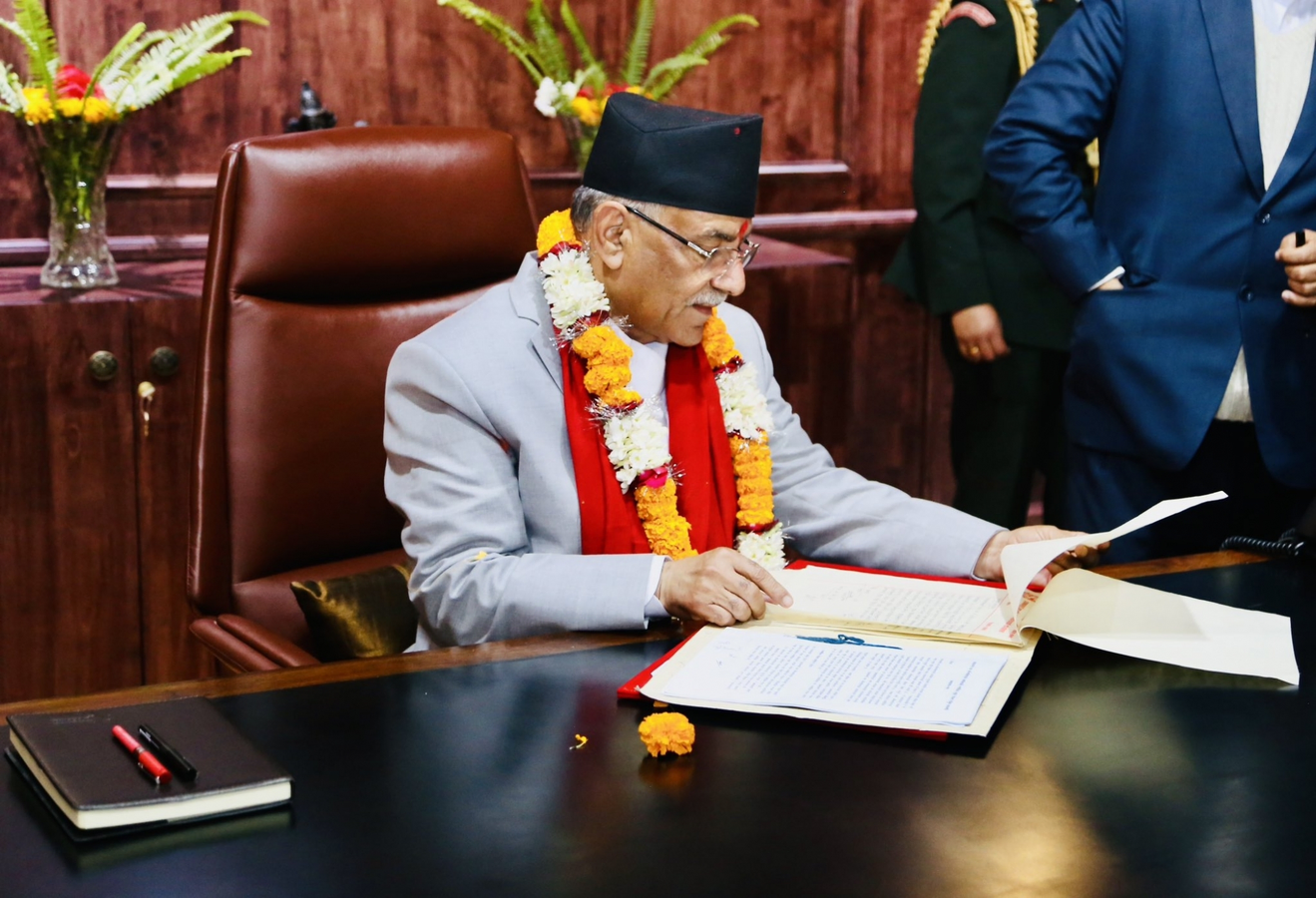
Kathmandu, March 6 – Former Prime Minister Pushpa Kamal Dahal 'Prachanda' has been elected from Rukum East-1 to the House of Representatives, becoming one of the few top leaders from traditional political parties to win in the House of Representatives elections held on Thursday.
He secured 10,240 votes to win the election. His closest competitor, Lilamani Gautam of the Communist Party of Nepal (Unified Marxist–Leninist) (CPN-UML), secured 3,462 votes, according to the Election Commission of Nepal.
Although Prachanda, coordinator of the Nepal Communist Party (NCP) formed after the merger of the erstwhile Communist Party of Nepal (Maoist Centre) and Communist Party of Nepal (Unified Socialist), won the election, his party, along with other traditional political parties such as the Nepali Congress and CPN-UML, performed poorly in the polls.
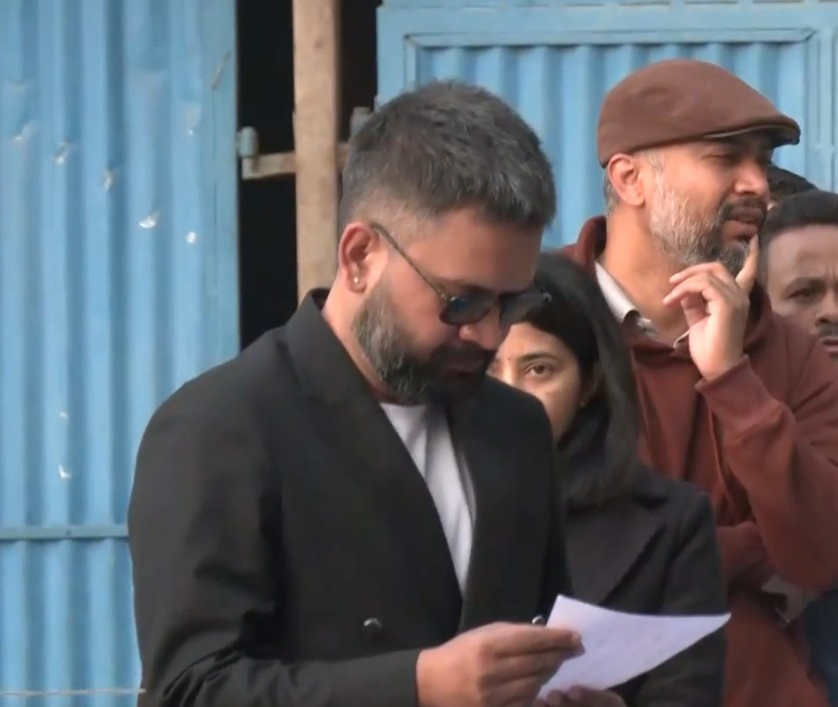
Former Prime Minister K P Sharma Oli, chairperson of CPN-UML, and Nepali Congress President Gagan Thapa are trailing candidates from the Rastriya Swatantra Party—Balen Shah and Amaresh Kumar Singh respectively. However, Prachanda managed to secure a victory from the former Maoist rebels' stronghold.
Many critics blame him for abandoning Gorkha-2, from where he was elected in the 2022 election, allegedly out of fear of losing the seat, and instead contesting from Rukum East-1, which was considered a safer constituency.
Since entering mainstream politics through the Comprehensive Peace Agreement in 2006 by abandoning armed rebellion, Prachanda was first elected to the Constituent Assembly of Nepal in the 2008 elections from Kathmandu-10 and Rolpa-2. He later won the 2013 second Constituent Assembly election from Siraha-5. He won the first parliamentary elections held in 2017 after the promulgation of the new constitution from Chitwan-3. In 2022, he was elected from Gorkha-2.
National politics revolved around him during much of the armed conflict period (1996–2006). Even after his party entered peaceful politics, its agenda became a major factor in Nepal’s mainstream politics.
Although he has overseen the continued decline of his party’s strength since the 2008 elections, Prachanda has remained an indispensable figure in national politics, becoming prime minister several times in recent years with the backing of either the Nepali Congress or the CPN-UML.