Kathmandu, March 12 According to the Election Commission, the Rastriya Swatantra Party (RSP) won a total of 182 seats in Nepal's parliamentary elections, allocated under the proportional representation system on Thursday.
The RSP received the highest number of 57 seats under proportional representation (PR), according to a notice by the top election body. The party also won 125 seats through direct voting.
The House of Representatives (HoR) in Nepal has a total of 275 seats. While 165 members were elected through the First Past The Post (FPTP) or direct voting system, 110 members were elected through proportional representation.
With a clear majority of more than 138 seats in the 275-member HoR, the RSP is now in a position to form the new government under Article 76(1) of the Constitution.
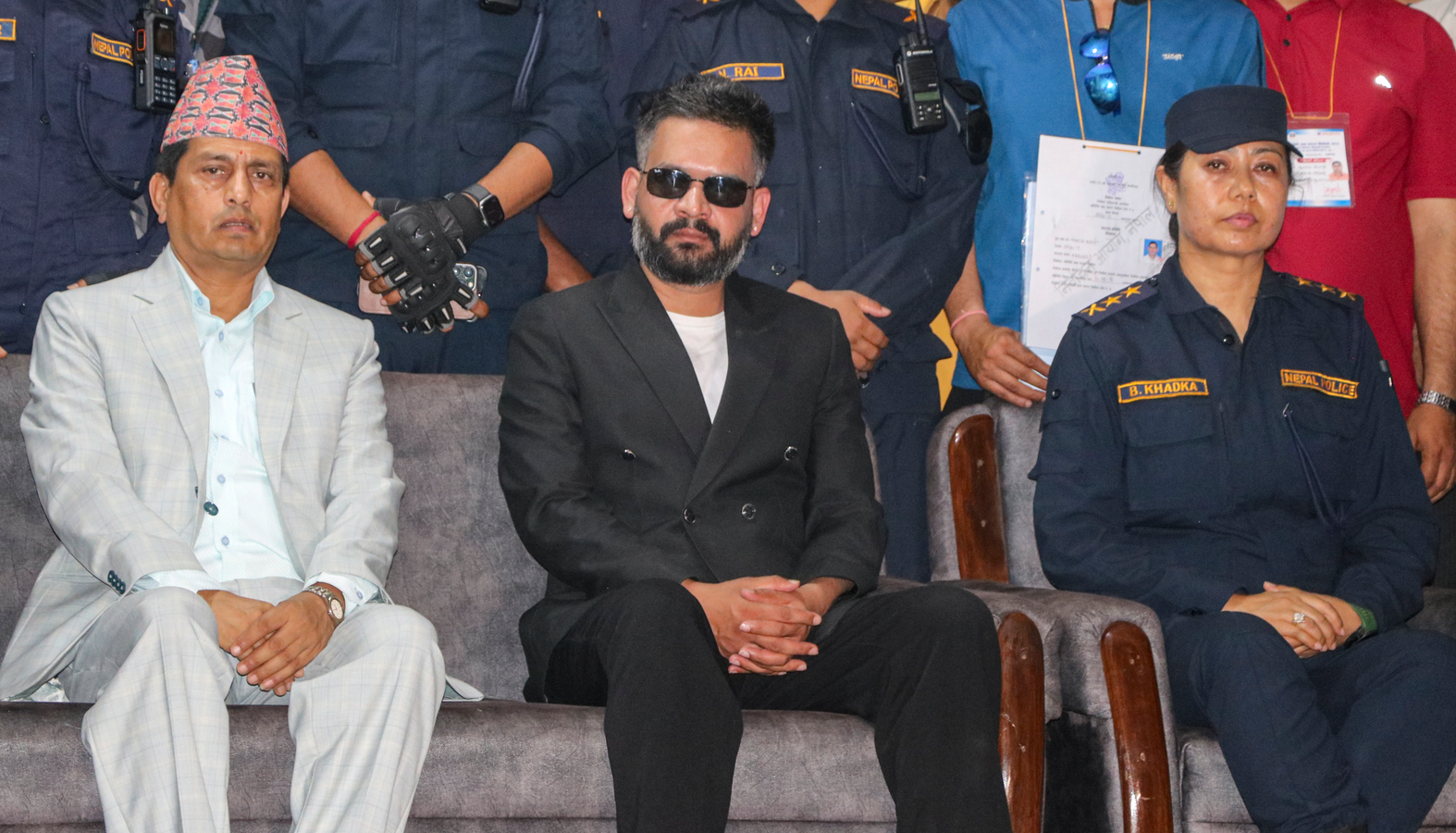
The party has already declared former Kathmandu Mayor Balendra Shah as its prime ministerial candidate.
The 35-year-old rapper-turned-politician will be the first prime minister from the Madhesi community, as well as the youngest ever elected prime minister of Nepal.
According to the EC notice, under the PR, the Nepali Congress (NC) received 20 seats, the Communist Party of Nepal (Unified Marxist–Leninist) (CPN-UML) 16, the Nepali Communist Party (NCP) nine, and the Shram Sanskriti Party (SSP) and Rastriya Prajatantra Party (RPP) got four each.
Under direct voting, the NC secured 38 seats, CPN-UML 25, NCP 17, SSP seven, and RPP received five seats.
Now the EC will submit the full report to the president, following which the process of government formation will begin.