New Delhi, February 18 – When Nepal holds its general elections on March 5, former Prime Minister KP Sharma Oli will be among the candidates vying to govern the small Himalayan country, unlike its South Asian neighbor, Bangladesh, where former Prime Minister Sheikh Hasina had to flee and seek refuge in India.
The two countries witnessed the fall of their respective governments in the face of youth unrest; both had interim governments running the country before the next general election, but the intensity and spread of the protests were perhaps more in Nepal than Bangladesh, according to reports published at the time.
The unrest began in Nepal last year following a government ban on 26 social media platforms, including Facebook, Instagram, WhatsApp, YouTube, and Snapchat, claiming they were not registered with the authorities.
Students and youth-led groups took to the streets, accusing the government of using the ban to silence public criticism and dissent. Protests quickly spread – through Kathmandu, and then across Nepal.
Reports mentioned at least 19 deaths and more than 300 injuries in clashes with the police. The government lifted its ban on the social media platforms, but it was too late.
Political order and security were severely shaken.
Oli was eventually forced to resign on September 9.
There were speculations and media reports suggesting he had left the country. It was later known that Oli and some of his colleagues had sought shelter at an army barracks in Shivapuri during the height of the Gen Z protests in September 2025.
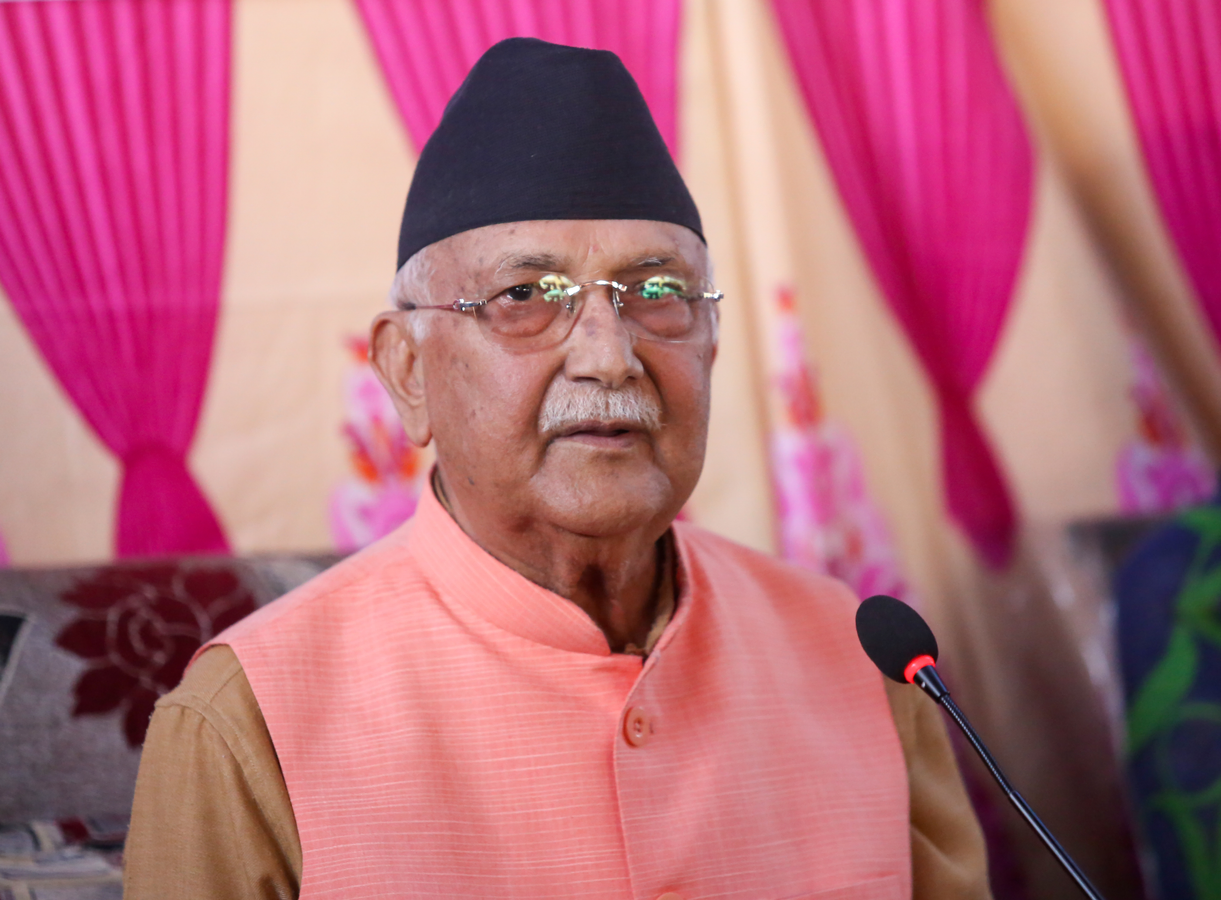
The 73-year-old leader of the Communist Party of Nepal (Unified Marxist–Leninist) is now said to be conducting extensive door-to-door campaigns, listening to people’s grievances, and appealing for votes, according to a report by the Kathmandu Post on Wednesday.
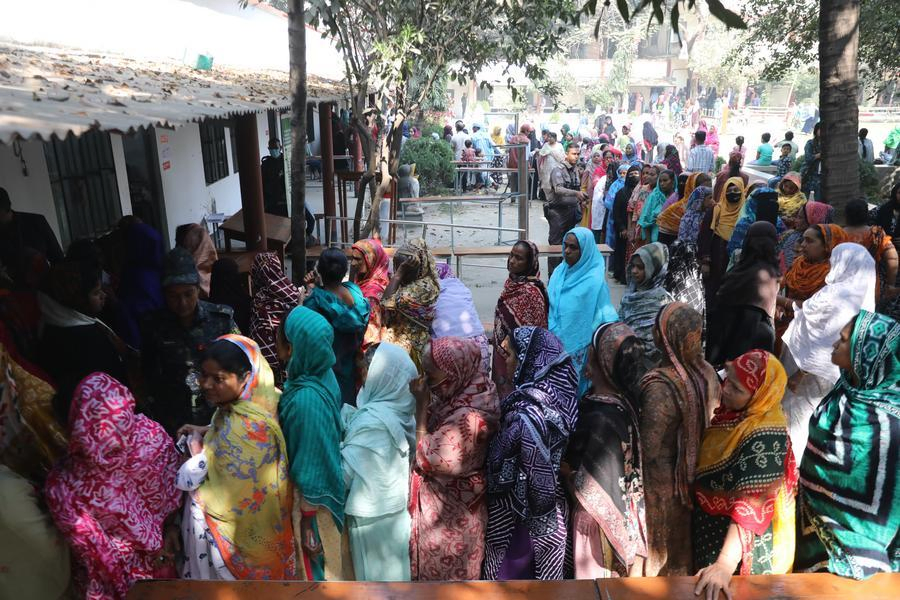
Meanwhile, a parliamentary election was held in Bangladesh earlier this month in the wake of the 2024 student-led uprising, without the 78-year-old Sheikh Hasina, with a ban on her Awami League from all political activities.
Hasina is currently facing a death sentence and living in exile. Her departure in August 2024 followed a period of intense street protests and a constitutional reform push that dominated public debate.
With Hasina sidelined, parties and new alliances competed in an environment marked by heightened security, polarized narratives about legitimacy, and vigorous media scrutiny.
The result had significant consequences for party realignment, the implementation of constitutional changes, and Bangladesh’s diplomatic posture. Domestic reconciliation and the legal status of exiled leaders are likely to remain central political flashpoints. Widespread intimidation and attacks were reported on political opponents in the run-up to the poll, especially on Awami League supporters, while the minority lived in fear after several incidents of lynching and barbaric murders.
Both countries witnessed violence, where youth protests led to a change in government, dissolution of Parliament, initiated reform and governance agenda, but the shape and stakes diverged sharply.
The interim government in Bangladesh sought to direct voters to cast a mandate not only in a Parliamentary contest but also in a nationwide referendum on the July National Charter, a sweeping package of constitutional reforms that proponents say will reset institutional checks and balances.
By contrast, Nepal’s vote is framed primarily as a test of political accountability and restoring a full legislature to respond to demands for change.
The youth movement in Nepal has been more explicitly electoral in its orientation, boosting new parties and independent figures who campaigned as alternatives to established elites.