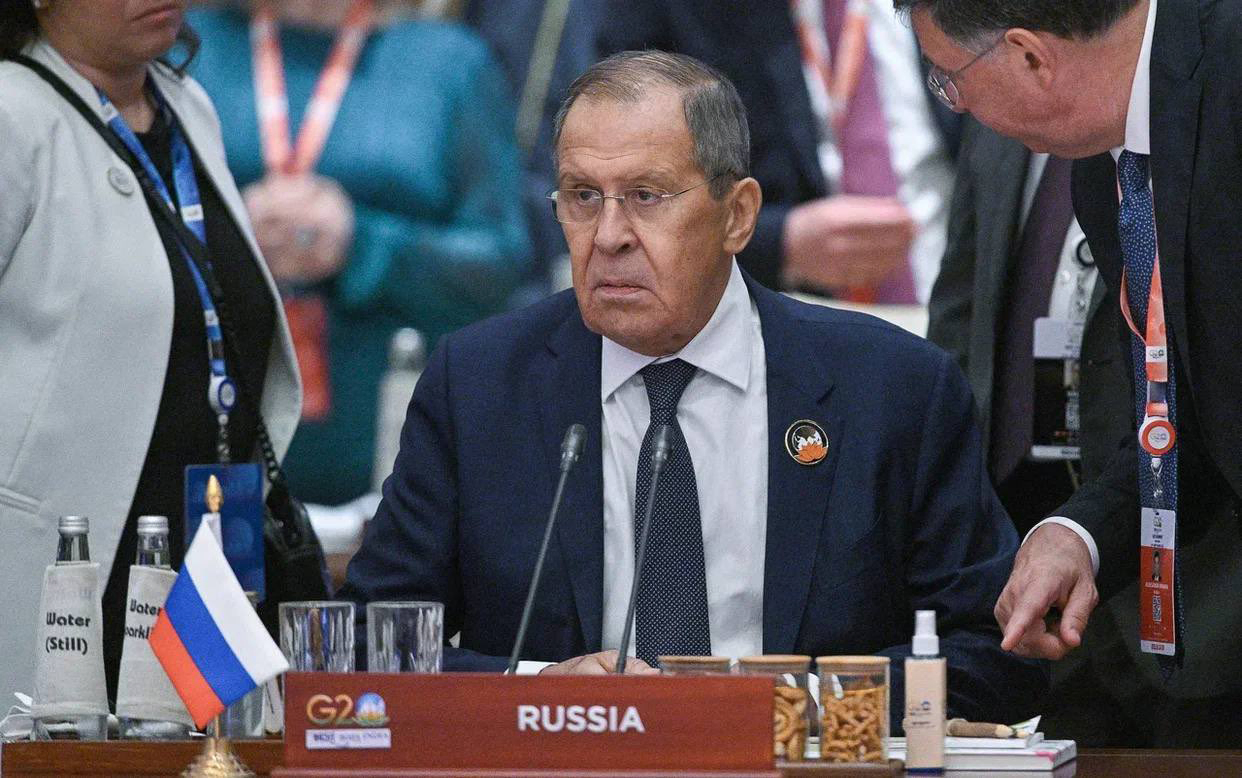
Moscow, March 16 – Russian Foreign Minister Sergei Lavrov said on Monday that the future of the nuclear non-proliferation regime is a matter of grave concern amid escalating geopolitical tensions in the Middle East.
In a message to participants of the Moscow Non-proliferation Conference, Lavrov said that the recent military actions by Israel and the United States against Iran, including strikes targeting facilities under the safeguards of the International Atomic Energy Agency, had dealt a serious blow to the authority of the Treaty on the Non-Proliferation of Nuclear Weapons.
Such actions have also undermined the credibility of diplomacy as a means of resolving disputes, Lavrov said, adding that some countries may increasingly view nuclear weapons as a guarantee of security.
He stressed the importance of preserving the treaty as a key element of global strategic stability and urged all signatories, particularly nuclear-weapon states, to fulfill their obligations.
The foreign minister also noted that the risks of the militarization of outer space are increasing as a result of "destructive actions by the United States and its allies", Xinhua news agency reported.
The implementation of the US "Golden Dome" missile defense system, which envisions deploying space-based interceptor strike systems by 2028, poses a significant threat to strategic stability, he said.
Last week, a US news website reported that US President Donald Trump has rejected a proposal by Russian President Vladimir Putin to move Iran's enriched uranium to Russia as part of a deal to end the US-Israeli conflict with Iran.
Trump turned down Putin in a phone call earlier this week, sources told Axios, an American news website based in Arlington, Virginia.
Putin raised several ideas, including the uranium proposal, for ending the war during the phone conversation with Trump on Monday (March 9), said the report.
"This is not the first time it was offered. It hasn't been accepted. The US position is we need to see the uranium secured," a US official was quoted as saying.
It's not clear whether Iran would accept the proposal now. In the last round of talks before the war, Iran rejected the transfer idea and proposed diluting the uranium inside its own facilities under the supervision of the International Atomic Energy Agency, according to the report.
Some news reports had also said that the Trump administration is considering sending special operations forces into Iran to secure or seize the country's highly enriched uranium.