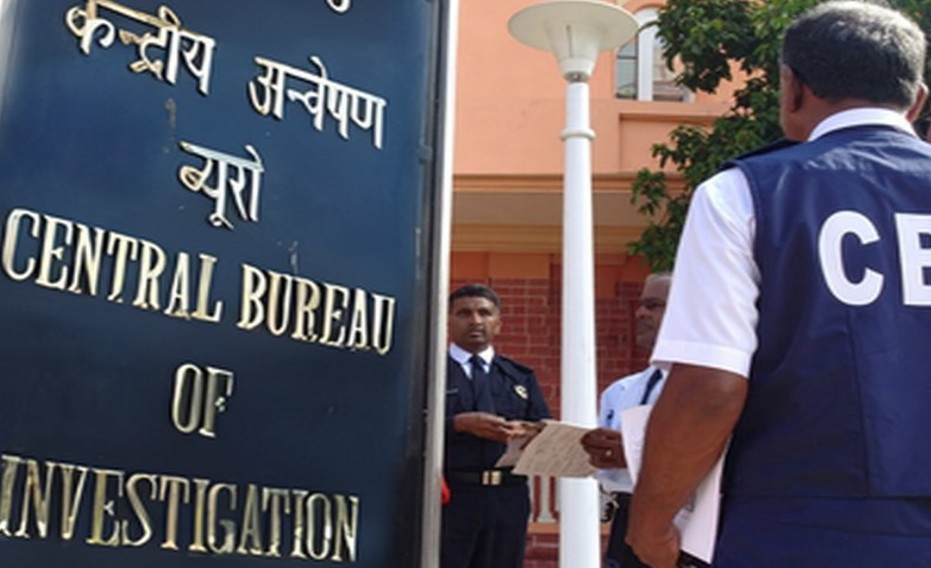
New Delhi, March 12 The CBI has conducted searches at 15 locations across multiple states in connection with a large-scale online financial fraud involving the overseas fintech platform 'Pyypl', officials said on Thursday.
The Central Bureau of Investigation (CBI) is now seeking custody of the alleged mastermind of the gang, Ashok Kumar Sharma, a chartered accountant, who was recently arrested by the Enforcement Directorate (ED).
The case was referred to the CBI by the Union home ministry's anti-cyber crime wing -- I4C. Following this, the agency registered a case and carried out searches on Wednesday in Delhi, Uttar Pradesh, Rajasthan, and Punjab, they said.
According to investigators, Sharma was allegedly running a large-scale organized scam involving fraudulent investment schemes, cyber fraud, and illicit cryptocurrency transactions, and part-time job fraud involving offshore withdrawals and overseas fintech platforms from his office in Bijwasan, on the Delhi-Gurugram border, which came to be known as the "Bijwasan Group".
The gang allegedly defrauded victims of Rs 900 crore last year alone. The proceeds were routed and laundered through a network of 15 shell companies identified so far, the agency said.
"The CBI conducted coordinated searches at 15 locations across Delhi, Rajasthan, Uttar Pradesh, and Punjab in connection with a case related to large-scale organized online investment and part-time job fraud involving offshore withdrawals and overseas fintech platforms, predominantly the Dubai-based 'Pyypl'," an agency spokesperson said in a statement.
"It was alleged that thousands of unsuspecting Indian citizens were cheated of crores of rupees through deceptive online schemes operated by an organized transnational fraud syndicate," she said.
The probe revealed that the network used social media platforms, mobile applications, and encrypted messaging services to lure victims with promises of high returns from online investments and part-time job opportunities, the official said.
"The victims were initially induced to deposit small amounts and were shown fictitious profits to gain their trust, after which they were persuaded to invest larger sums," she said.
The defrauded money was then routed through multiple mule bank accounts to conceal the trail and later siphoned off through offshore ATM withdrawals using debit cards enabled for international transactions.
The funds were also diverted through wallet top-ups on overseas fintech platforms, predominantly "Pyypl", using Visa and MasterCard payment networks. These transactions appeared as Point-of-Sale (POS) transactions in banking systems, the agency said.