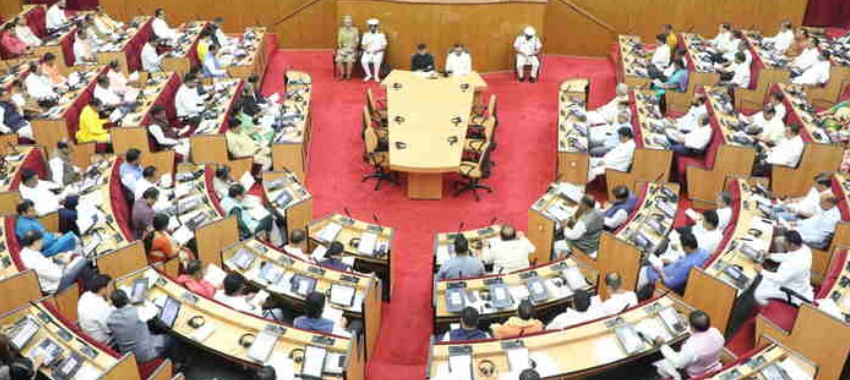
Bhubaneswar, February 18 The second day of the Odisha Assembly's budget session on Wednesday was unproductive, as chaos reigned supreme with MLAs from the opposition BJD and Congress staging a protest, alleging mismanagement in paddy procurement.
Amid the uproar, Speaker Surama Padhy adjourned the House twice before doing so again until Thursday.
As soon as the House assembled for the Question Hour, BJD members rushed to the Well and began a demonstration with placards.
Amid the slogans, BJD's Deogarh representative, Romancha Ranjan Biswal, who came to the House dressed as a farmer, poured a bagful of paddy onto the reporter's table.
The situation quickly escalated with Congress MLAs joining the BJD members in the demonstration, calling the BJP government in the state "anti-farmer."
Speaker Surama Padhy's repeated appeals to the protesting members to return to their seats were unsuccessful, after which she first adjourned the proceedings until 11:30 am.
When the House reassembled at 11:30 am, similar scenes were witnessed, forcing the speaker to adjourn the proceedings until 4 pm. Finally, Padhy adjourned the House for the day until 10:30 am on Thursday as members from both opposition parties refused to end the protest on the floor of the House.
The House was able to transact for only about five minutes throughout the day due to the disruption over the alleged mismanagement in paddy procurement across the state.
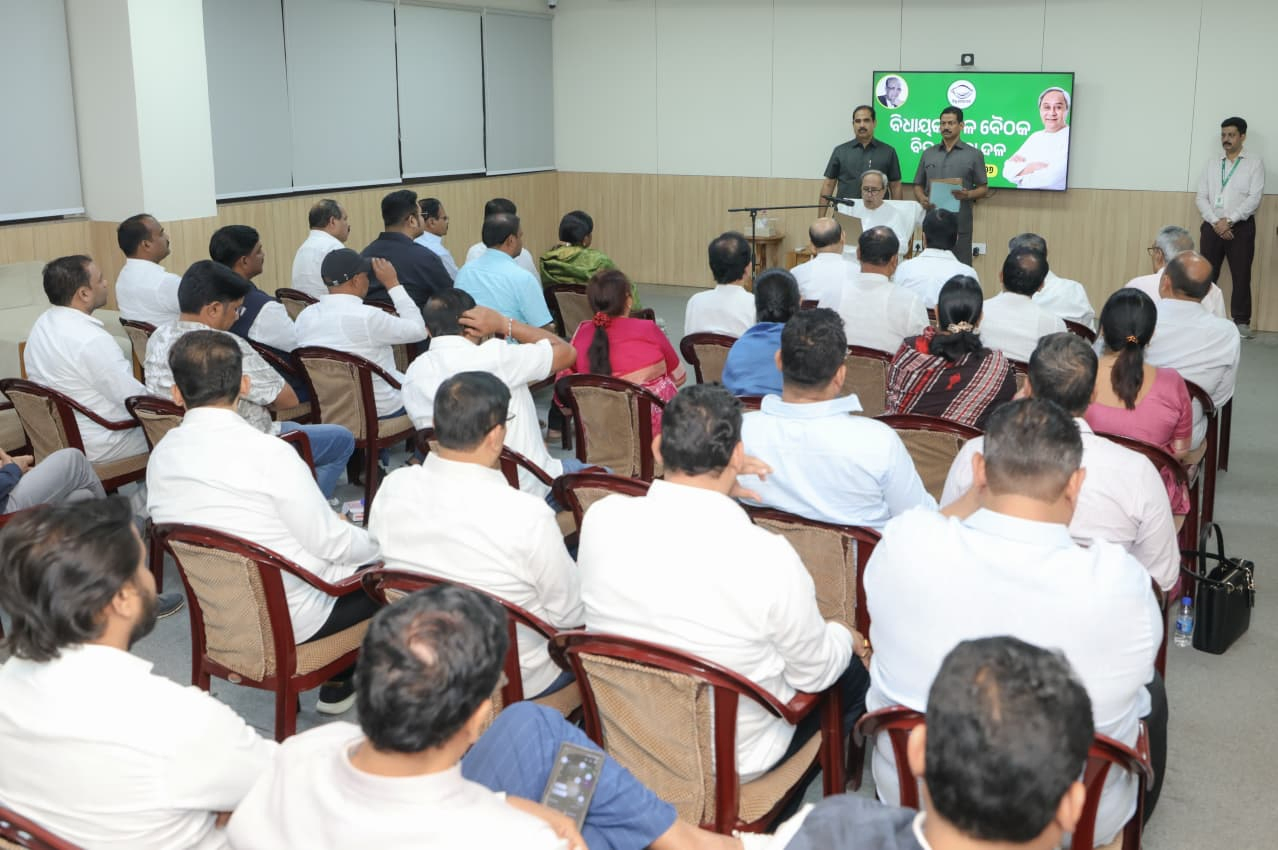
A day before the session began, Leader of the Opposition Naveen Patnaik had announced that the voices of farmers would "roar" in the Assembly, as the government had ignored their pleas to procure their paddy at state-run mandis across Odisha.
Speaking to reporters outside the House, Congress legislature party leader Rama Chandra Kadam said they had no alternative but to protest in the Assembly.
"The government is not procuring paddy from farmers, which forces them to sell at distress prices. Although we have drawn the attention of the government to this issue several times, but there has been no result," he alleged, noting that Congress MLAs will continue to protest until the problems faced by farmers are resolved.
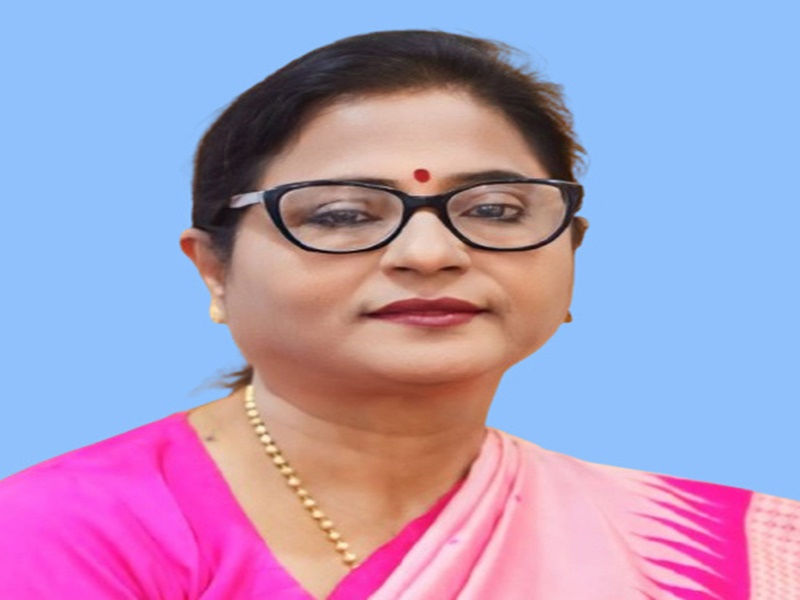
Opposition Chief Whip Pramila Mallik of BJD said, "Our party has drawn the attention of the government several times at various forums. Our leader has written to the Chief Minister, and BJD leaders have staged protests in all districts highlighting the plight of farmers. But, the government continues to exploit the farmers."
Asked how to restore normalcy in the House, Mallik said they are ready to withdraw the protest if the Chief Minister announces in the Assembly that the government will procure all the surplus paddy from farmers and provide them with a suitable price.
"There is no coherence in the government. When the CM says something, the Deputy Chief Minister calls farmers 'fake', and the Minister for Supply makes a different statement. They should respect the farmers," she said.
BJD member Byomakesh Ray said the party has been raising this issue for a long time, but the government has not taken any corrective measures.
"The government is not taking excess paddy from farmers and has put a limit, restricting procurement to only 150 quintals, when there is no such provision in the Food and Paddy Procurement Policy. If there is a bumper crop, what will farmers do? The government must procure all the paddy," he said.
The ruling BJP criticised the opposition MLAs for disrupting the Question Hour.
"The opposition members should not create chaos in the House during the Question Hour, which is very important for the people of the state. The paddy procurement process is underway smoothly across the state," BJP MLA Babu Singh claimed.
Responding to a written question in the House, Food Supplies and Consumer Welfare Minister KC Patra said surplus paddy is being procured from eligible registered farmers at Rs 3,100 per quintal, which includes MSP and input assistance.
"The procurement system is designed to accept all eligible surplus paddy offered by registered farmers subject to prescribed quality specifications and verification norms, so as to ensure that farmers are able to dispose of their marketable surplus without constraint under MSP," he said.