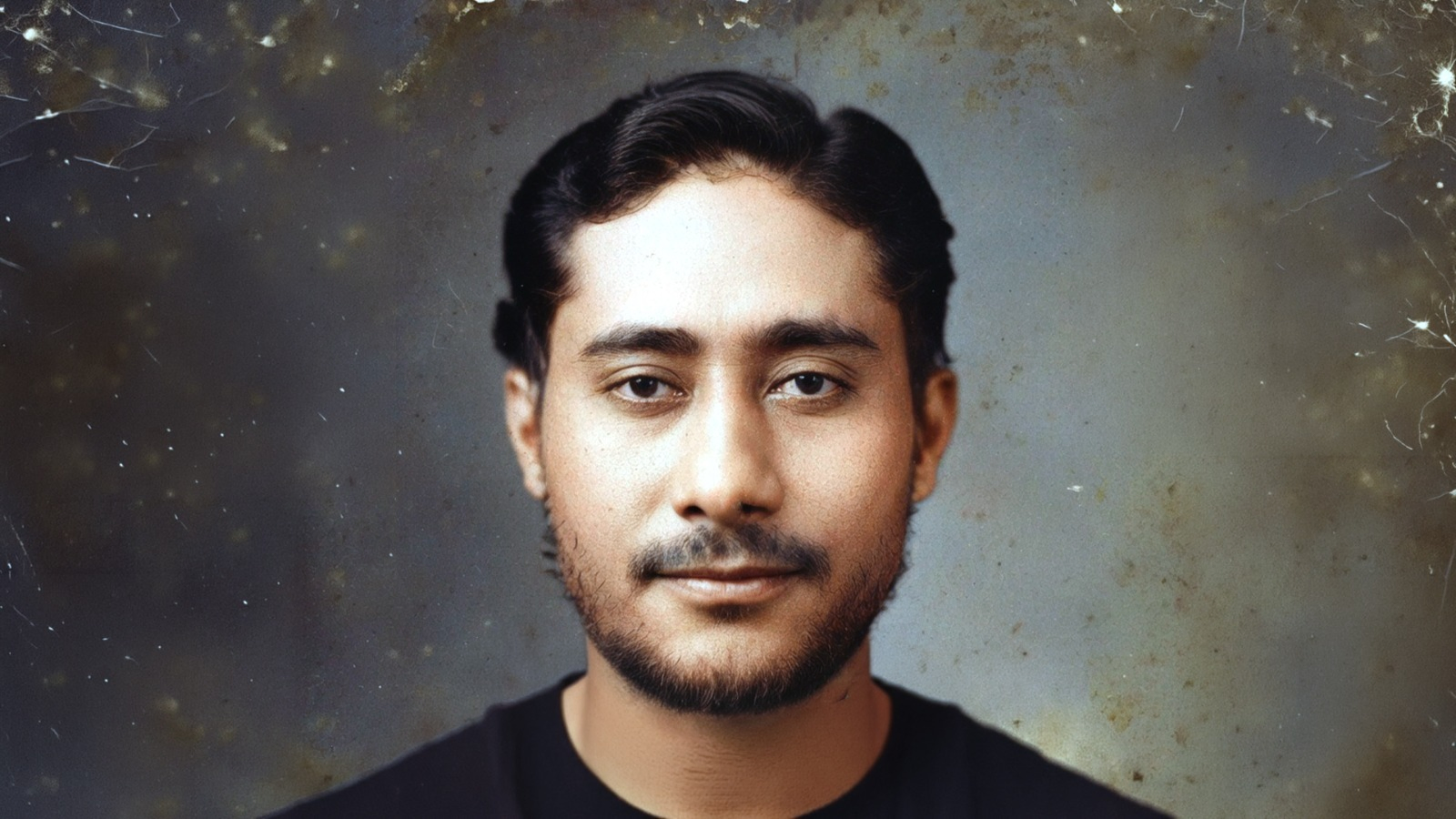
New Delhi, March 20 – With the terrorist infrastructure largely dismantled, Pakistan is likely to bring back Sajid Mir to address the situation. Mir, who played a key role in the Mumbai 26/11 attacks, was entrusted with the implementation of Pakistan's ambitious "Karachi Project."
Pakistan has consistently denied Mir's existence. However, to comply with the Financial Action Task Force (FATF)'s requirements, Pakistan detained Mir in 2022 and sentenced him to 15 years in prison by a Lahore court.
Despite his imprisonment, Mir has been tasked with overseeing key projects that the ISI wants to implement.
An official from the Intelligence Bureau stated that he is currently in charge of reviving the Lashkar-e-Taiba's Muridke camp, which was destroyed during Operation Sindoor. Prior to his arrest, Mir lived in the Ganda Nala lane in Lahore. Intelligence sources suggest that Mir has numerous visitors. These visits are all related to the revival of Lashkar-e-Taiba and other terrorist groups.
The ISI did not want to use Mir for any of its operations immediately. However, the process of reviving Lashkar-e-Taiba and Jaish-e-Mohammad, which suffered significant losses during Operation Sindoor, has proven more challenging than Pakistan anticipated. The ISI had even decided that operations by these two terrorist groups, as well as Hizbul Mujahideen, would be carried out under a unified command.
An official stated that with all these terrorist groups having a common goal – the destruction of India and the Kashmir issue – the ISI felt that it was a good idea to have these groups operate together. Sajid Mir, with his expertise, is the ideal person to oversee the structural changes in these terrorist groups, which the ISI wants to implement.
Sources indicate that the ISI has directed Mir to coordinate from prison. For Mir, coordinating operations from prison is not a difficult task. He has access, and he has been allowed to leave prison and meet with operatives covertly, another official said.
When India sought Mir's extradition in 2020 in connection with the Mumbai 26/11 attacks, Pakistan had long denied his existence, with shifting claims about his status. Pakistan claimed that he was dead. However, the Pakistanis brought him back to life in 2022 to reduce the pressure they were facing from the FATF.
Pakistan also spread rumors that Mir had been poisoned, but Indian agencies can confirm that this is false. The official added that involving Mir in overseeing these changes and shaping the revival also fits perfectly into the larger plan of implementing the Karachi Project.
If Mir is able to unite these terrorist groups under one command and ensure their seamless functioning, then implementing the Karachi Project becomes easier. Another official said that reaching out to Mir is a risky move, but Pakistan is prepared to take the risk.
It is Mir's experience and expertise, coupled with his respected position within terrorist circles, that led the ISI to take this risk.
He can summon anyone to prison and issue instructions, and also implement the plan.
The Karachi Project is an ambitious project that involves carrying out terrorist attacks at multiple locations in India. The project has been in the works for many years. The first time the project was discussed in Pakistan was when the Indian Mujahideen was very active. However, with the collapse of the Indian Mujahideen, work on the project also slowed down.
The idea was to have a strong homegrown terrorist network carry out attacks in India. For attacks from Pakistan, the ISI had enlisted the Lashkar-e-Taiba to undertake this project. Officials say that if Hizbul Mujahideen, Jaish-e-Mohammad and Lashkar-e-Taiba are able to work together, then this project will become much stronger.
Another aspect is the homegrown terrorist network. The ISI has been working on nurturing a homegrown network in various parts of India. It wants one to operate in the North and another in the South. If this plan succeeds, then the three Pakistan-based terrorist groups will focus all their efforts on Jammu and Kashmir.
Another official said that the ISI has also enlisted (Retd) Major Hashim and the head of the Lashkar-e-Taiba's naval wing, Abu Yukoob, to be part of this project.
Previously, the plan for setting up homegrown operations in India involved recruiting youth from Gujarat, Uttar Pradesh, Maharashtra, Kerala, Delhi and Tamil Nadu. The recruited youth were meant to travel to Pakistan, undergo training, and then return to India and carry out attacks. Today, the ISI has dropped the plan of moving these recruits to Pakistan, as borders are on high alert, and undertaking such an operation would be risky. The recruited youth will be trained online, and modules will be set up on the lines of the one that was busted at Faridabad, officials say.