Islamabad, March 10 – Facing a worsening fuel crisis triggered by rising global oil prices and geopolitical tensions in West Asia, the Pakistani government has announced a series of austerity measures, highlighting the country's deep dependence on imported energy and its fragile economic position.
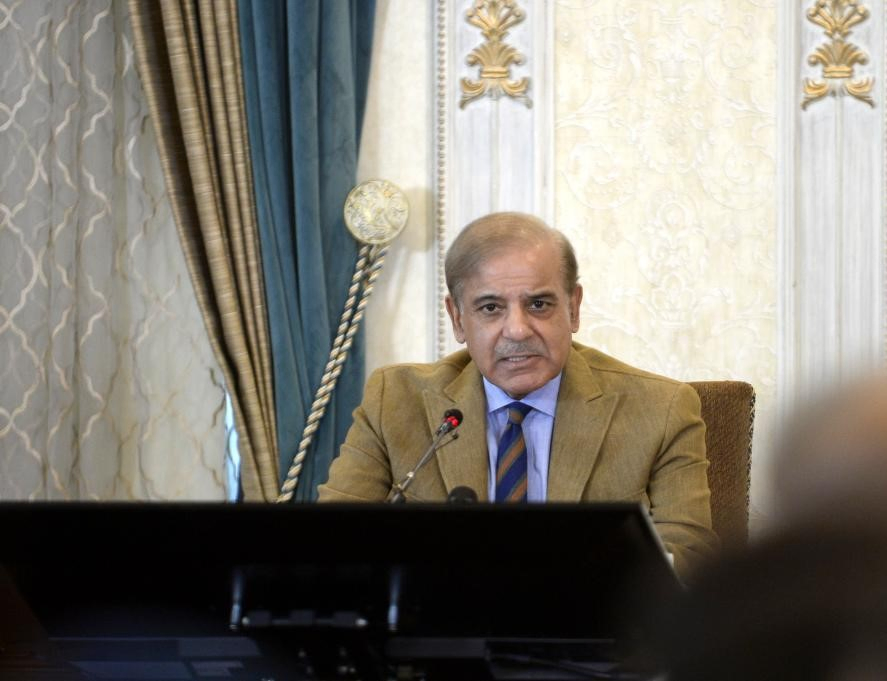
In a pre-recorded televised address on Monday, Prime Minister Shehbaz Sharif unveiled measures aimed at conserving fuel and raising funds to offset the impact of the crisis. This move comes after Pakistan recently raised petrol and diesel prices by 55 Pakistani rupees per liter – nearly a 20 percent increase – citing surging global prices linked to tensions in the Middle East.
"It will be inevitable to increase (fuel) prices in the coming days (due to the increase in global prices), but I will try my best to ensure that the people are not further burdened," Sharif said, as quoted by Pakistan's daily, The Express Tribune.
The measures announced by the Pakistani government reflect the mounting pressure on the country's economy, which relies heavily on imported oil and liquefied natural gas. Analysts say this dependence has made Islamabad particularly vulnerable to global supply shocks and price volatility.
As part of the austerity plan, fuel allocated to government vehicles will be reduced by 50 percent for the next two months, while around 60 percent of departmental vehicles will remain off the roads during this period. The prime minister also announced that ministers, advisors, and special assistants will forgo their salaries for two months, while members of parliament will face a 25 percent pay cut.
"Expenditures of all government departments, apart from salaries, will be reduced by 20 percent," Sharif added.
In another measure reflecting the severity of the situation, the government has ordered that all schools across Pakistan will remain closed for two weeks from the end of the current week, while higher education institutions will immediately shift to online classes to reduce energy consumption.
However, criticism has mounted over the government's handling of the crisis. An editorial in The Express Tribune reported that petrol prices were raised by about Rs 23 per liter more than required, suggesting that the government generated additional revenue rather than simply passing on the global price increase to consumers.
The crisis underscores Pakistan's structural economic weaknesses, as the country remains heavily reliant on fuel imports routed through the strategically critical Strait of Hormuz. With global oil prices rising amid escalating tensions in West Asia, Pakistan's fragile economy faces growing pressure from inflation, supply uncertainty, and rising import costs.
Meanwhile, the energy shock is being felt across the region. In neighboring Bangladesh, the government has also ordered universities to shut temporarily in order to conserve electricity and fuel during the ongoing global energy crisis, according to reports by the Bengali daily, Prothom Alo.
The developments highlight how the intensifying geopolitical tensions in West Asia are exposing the vulnerabilities of import-dependent economies like Pakistan, forcing governments to adopt emergency austerity measures to manage shrinking energy supplies.