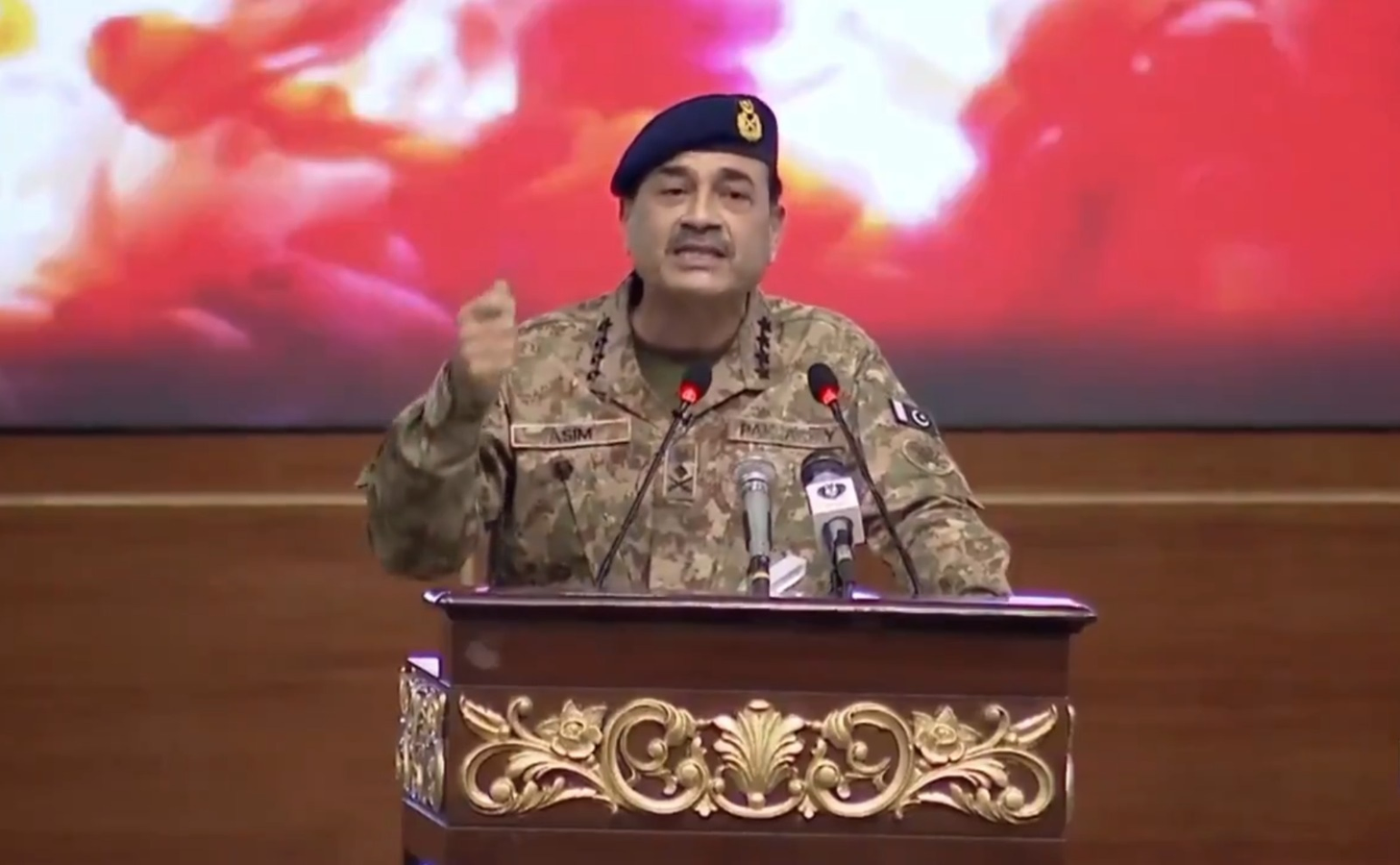
Washington, February 22 – The recent attacks by Baloch armed groups against Pakistan's security forces highlight the shortcomings of Pakistani Army Chief Asim Munir's coercive state policy amid the near-total suppression of dissent in Balochistan, according to a report released on Sunday.
Writing for the American media outlet ‘PJ Media’, Turkish journalist Uzay Bulut argued that the February 1 attack by the Balochistan Liberation Army (BLA) exposed a lapse in Pakistani intelligence, as they failed to anticipate an attack of that scale. This indicates a breakdown in the intelligence network and suggests growing local support for armed Baloch outfits.
"Pakistan is engaged in a domestic conflict, and the situation appears dire. The Balochistan province (in southwestern Pakistan) has experienced another insurgency, marked by a series of gun and grenade attacks that have resulted in the deaths of more than 50 people. In a rare admission, Pakistan's Defence Minister Khawaja Asif stated that the Pakistani army is 'handicapped' in its fight against Baloch rebels," Bulut stated.
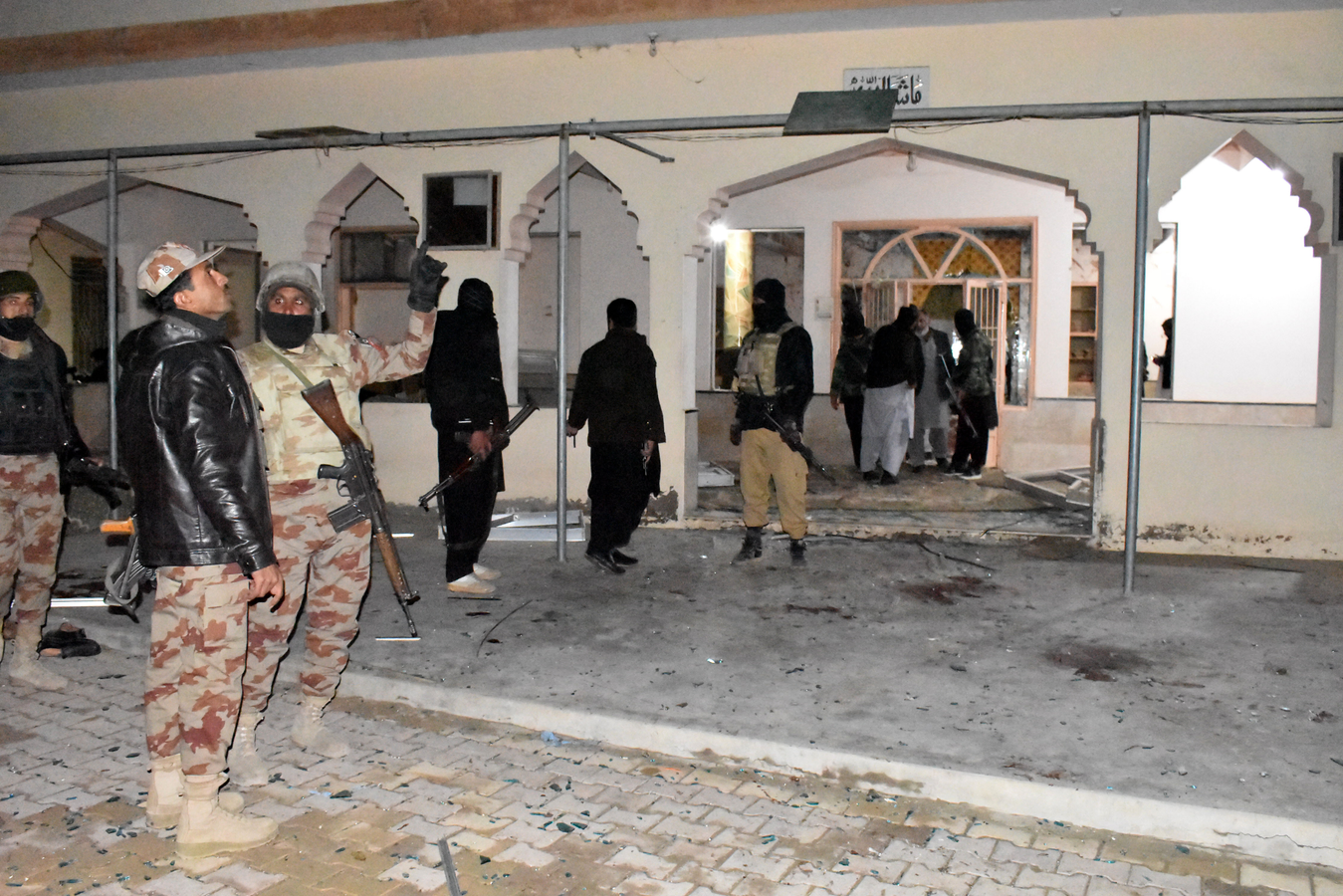
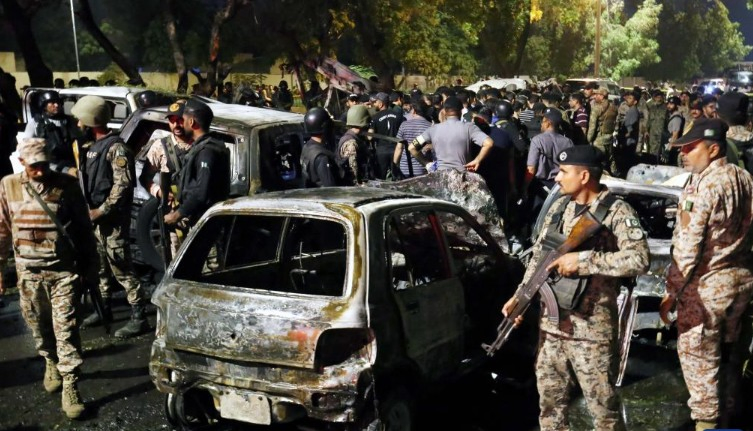
"On February 1, a series of gun and bomb attacks across Balochistan province killed 31 civilians and 17 security personnel, according to the region's Chief Minister Sarfraz Bugti. The Balochistan Liberation Army (BLA) rebel group claimed responsibility for the attacks, stating that dozens of soldiers were killed," she added.
Citing reports from 2025, Bulut noted that armed separatist groups in Balochistan — particularly the BLA and its allies under the Baloch Raaji Aajoi Sangar (BRAS) alliance — have shifted from hit-and-run attacks to temporarily seizing control of towns, infrastructure, and sections of highways. This, she said, reflects the Pakistani Army's inability to maintain a sustained presence in Balochistan.
According to the report, Balochistan has endured decades of severe human rights abuses, the systematic exploitation of local natural resources, political repression, a lack of autonomy, and confrontation with Pakistani security forces.
"This situation has fueled ethnic discontent and severe anger towards the Pakistani government. Local Baloch activists claim that the Pakistani government keeps them poor while looting regional wealth. In response, instead of recognizing the Baloch right to self-rule, the Pakistani security establishment violently suppresses the Baloch, engaging in acts such as enforced disappearances," it mentioned.
The report highlighted that over the past two decades, tens of thousands of ethnic Baloch people, including students, activists, and professionals, have been subjected to enforced disappearances by Pakistani security forces.
“The victims are frequently denied access to legal representation, held incommunicado, and subjected to torture, inhumane treatment, or even extrajudicial execution. Although some return after years, they are traumatized and broken. Many never return. Others are found in unmarked graves, their bodies so disfigured that they cannot be identified," it stated.