Islamabad, March 26 – As many as 14,343 of the 19,808 schools damaged during the devastating 2022 floods in Sindh province of Pakistan are still awaiting restoration, according to local media, citing official data. Approximately 2,268 schools were completely destroyed, while 3,197 suffered partial damage during the floods. So far, the government, through provincial, federal, and donor-funded programs, has begun reconstruction and rehabilitation work for 5,465 schools, implying that 14,343 schools are still awaiting restoration, according to a report in Pakistan's leading daily, The Pakistan Observer.
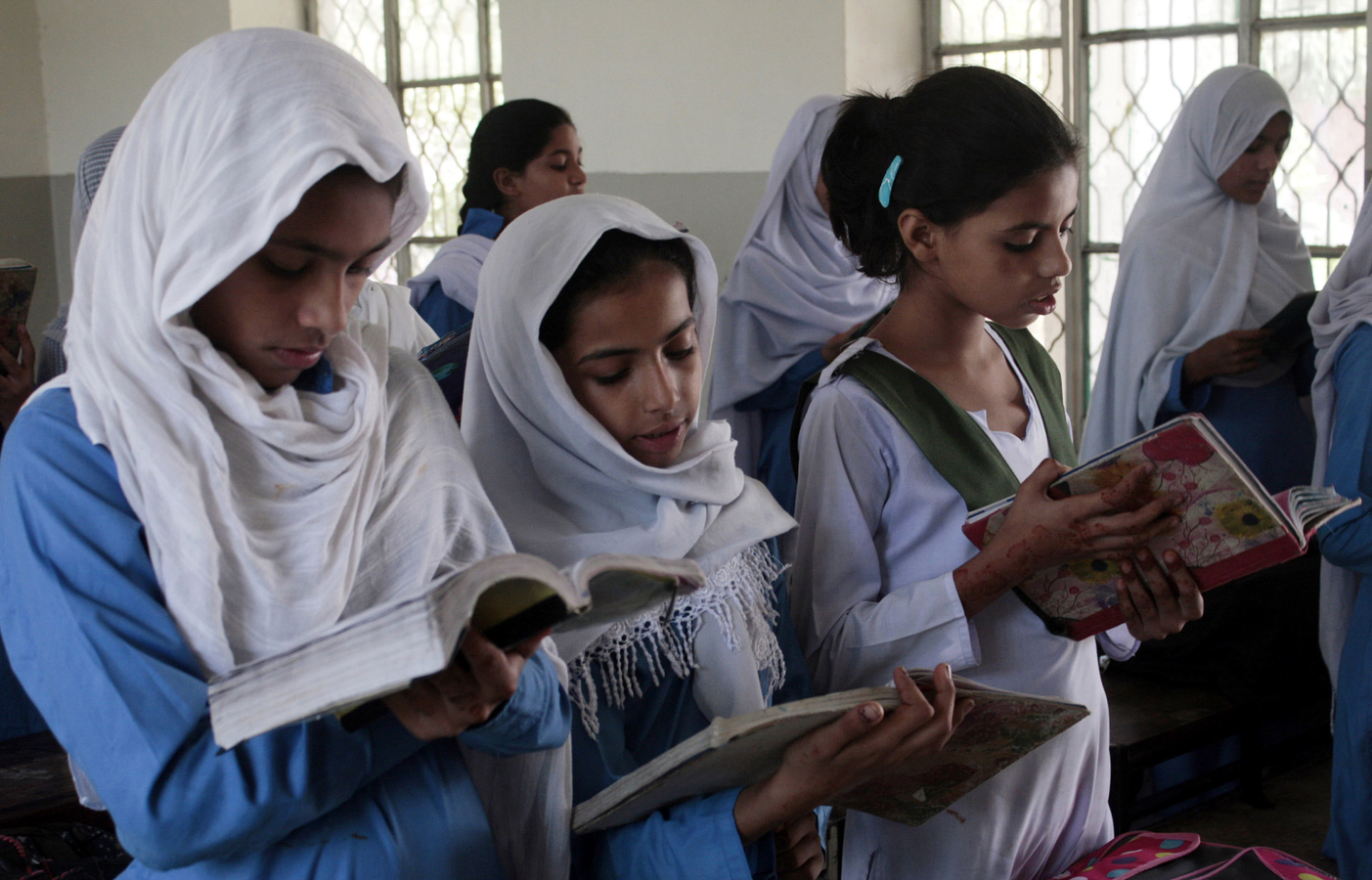
The report highlighted that Pakistan is already facing a serious educational crisis, as millions of children remain out of school due to social, economic, and infrastructural challenges. The continued delay in reconstructing flood-damaged schools in Sindh only exacerbates this situation, depriving thousands of children of their fundamental right to education.
"The fact that nearly four years have passed since the devastating floods, yet a large majority of schools remain in disrepair, is deeply concerning. The scale of reconstruction undertaken so far is far less than what the situation demands, and this situation cannot be ignored. Education is the foundation of any progressive society. Every day that a school remains non-functional is a day lost for the children who are already struggling to access basic learning opportunities. The Sindh government must urgently prioritize the completion of all damaged schools," The Pakistan Observer stated.
Meanwhile, nearly 28 per cent of children in Pakistan, aged between 5-16 years, remain out of school. Alarmingly, girls are disproportionately affected, with 34 per cent of girls not enrolled in schools compared to 22 per cent of boys, according to local media.
These disparities are more pronounced in rural regions of Pakistan, especially for girls, where access to education is limited, highlighting how gender and geography reduce educational opportunities.
Two-thirds of Pakistanis aged 10 years and above have attended school at some point, as access to education remains highly unequal in Pakistan, The Express Tribune recently reported, citing the HIES survey by Gallup Pakistan.
Pakistan's national literacy rate stands at 63 per cent, with male literacy at 73 per cent and female at 52 per cent.
According to the Express Tribune report, literacy in urban areas stands at 77 per cent compared to 56 per cent in rural areas. While 68 per cent of children are enrolled in primary school, the numbers sharply decrease at higher levels of education. Only 40 per cent attend middle school, and around 30 per cent attend matriculation.
This sharp drop in the number of students continuing education in schools highlights the challenges faced by them, especially in rural and underprivileged areas, pointing to structural barriers such as safety concerns, school distance, and rising opportunity costs, particularly for rural girls.
According to the report, financial pressure, domestic responsibilities, and limited post-primary schooling options contribute to children not continuing education in schools. These challenges are further exacerbated for girls due to social expectations and early marriage.