Washington, February 25 – US lawmakers warned that China's dominance over critical minerals could cripple American defense manufacturing in a crisis, as the Pentagon defended controversial equity investments and price guarantees aimed at rebuilding domestic supply chains.
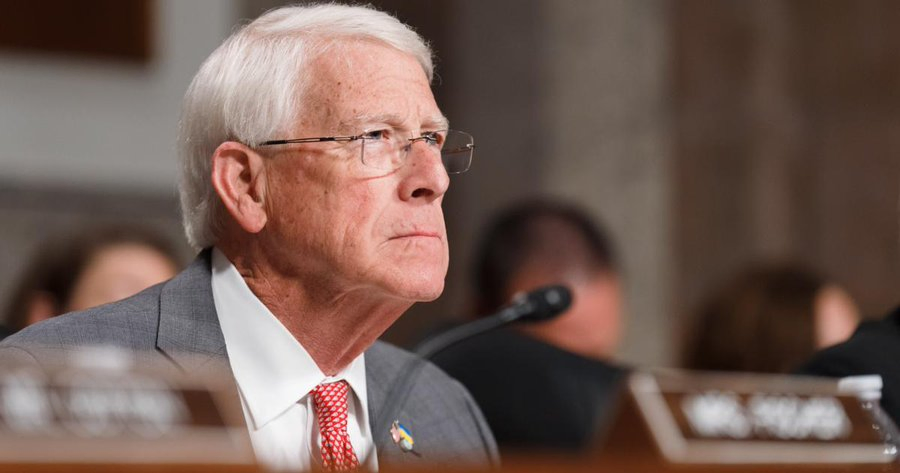
"It is no exaggeration to say that America's reliance on China's critical minerals represents one of our greatest strategic vulnerabilities," said Senate Armed Services Committee Chairman Roger Wicker at a Congressional hearing on rebuilding supply chains. He cautioned that threats to cut exports of rare earths "would have brought American defense manufacturing to its knees and deeply damaged the US economy."
Pentagon industrial policy chief Michael Cadenazzi, Jr., Assistant Secretary of War for Industrial Base Policy, told senators that the risk was immediate. "This is not a theoretical risk. It is a clear and present danger to our national security," he said, warning that Beijing can "weaponize these supply chains, threatening to disrupt our defense industrial base and compromise military readiness in a crisis."
Cadenazzi said the department had invested "975 million dollars in minerals through Title III of the Defense Production Act and the Industrial Base Fund" and was pursuing a "comprehensive multiyear strategy" built on four pillars: reshoring production, working with allies, investing in research and recycling, and modernizing the National Defense Stockpile.
He cited the "MP materials deal" to secure rare earth production and a "Korea Zinc effort" to build a US smelter producing "13 different nonferrous metals, including germanium, gallium, and antimony." He also highlighted recycling efforts, including an investment "to recover gallium and scandium… from waste residue left over from aluminum refining."
However, lawmakers from both parties pressed the Pentagon on its decision to take a "15 per cent equity stake in MP materials, a rare earth mining company, in California at a cost of 400 million dollars." Ranking member Jack Reed questioned the legal basis for such investments, noting that the Defense Production Act "does not mention equity investments at all." He sought clarity on the "legal basis, financial terms and strategic rationale" of the deal.
Cadenazzi defended equity as "a catalyst for private investment" after what he described as "a failed market-based approach." He argued that price floors were set using "a set of open market analyses" to counter "the manipulated Chinese price floor."
Jeffrey Frankston, acting deputy assistant secretary for industrial base resilience, said the effort had been "turbocharged" by "full and unified interagency cooperation," with officials working "on a daily, if not hourly basis" to map supply chains from "the raw material to the finished product."
The hearing also exposed tensions over permitting and environmental safeguards. Senator Dan Sullivan said environmental restrictions had been "a major point of contention for mining development," while Senator Mazie K. Hirono stressed that "environmental requirements are important" and "we don't just toss those things out because we want to mine critical minerals."
For India and other US partners, the debate underscores Washington's growing urgency to reduce dependence on Chinese-controlled supply chains in sectors critical to defense, advanced electronics and emerging technologies. The Biden and Trump administrations have both increasingly framed critical minerals as central to economic security and strategic competition with China.