Brussels, April 4 – Pakistan has repeatedly failed to demonstrate sustained, structural improvements in the core human rights situation, a key condition under the European Union’s Generalised Scheme of Preferences Plus (GSP+) framework, despite more than a decade of preferential access, according to a report released on Saturday.
According to the 'European Times' report, given the current trajectory, evidence suggests a strong case for suspending Pakistan's GSP+ status until it meets the obligations in a meaningful way.
Citing EU reports and parliamentary questions, the report highlighted Pakistan's continued non-compliance, particularly with regard to blasphemy laws, enforced disappearances, the use of military courts for civilians, and the persecution of religious minorities.
The report highlighted that the plight of religious and other minorities across Pakistan remains a matter of grave concern.
“EU monitoring reports and European civil society inputs describe systematic discrimination, harassment, and violence against Christians, Ahmadis, Hindus, and Shia Muslims, often fuelled by incitement and legal impunity. The EU's own GSP+ review highlighted that freedom of religion or belief and minority rights ‘continue to be regularly violated', and called on Islamabad to take clear action against blasphemy-related discrimination, false accusations, and mob lynchings,” it detailed.
“Yet no comprehensive reform of the blasphemy framework has occurred, and high-profile cases continue to surface, signalling that the state either cannot or will not protect those most vulnerable. Granting continued tariff privileges despite this pattern sends a message that minority persecution carries no real economic consequences,” it further stated.
The report noted Pakistan's non-compliance with human rights obligations, citing enforced disappearances, extrajudicial killings, and abuses in provinces such as Balochistan and Khyber Pakhtunkhwa.
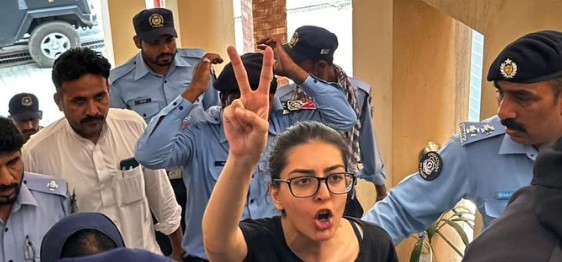
"International and EU-adjacent assessments describe Balochistan as a 'human rights black hole', where security forces are accused of systematically targeting political activists, students, and human rights defenders through abductions and secret detentions. In its 2024 submission to the UN Human Rights Committee, Amnesty International stressed ongoing enforced disappearances; torture; and crackdowns on peaceful protests, including harassment of prominent Baloch activist Mahrang Baloch," the report mentioned.
Such practices, it said, constitute clear violations of obligations under the International Covenant on Civil and Political Rights (ICCPR) and the Convention Against Torture (CAT), yet they have not been addressed by the Pakistani authorities despite repeated international scrutiny.
Recent developments in Afghan refugee and migration policies, the report said, reflect Pakistan's failure to adhere to key international commitments.
“In late 2024 and 2025, authorities launched a mass campaign to force undocumented Afghans, including long-term residents and registered asylum seekers, back to Afghanistan under threat of arrest, detention, and deportation. By December 2026, more than 4.5 million Afghans had been expelled, amid reports of police extortion, abuse, and denial of due process,” it stated.