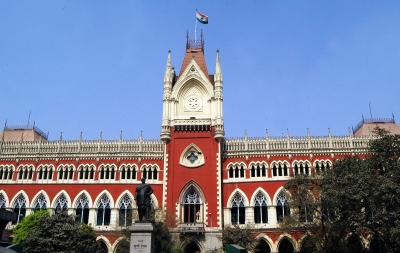
Kolkata, March 20 – A Public Interest Litigation (PIL) has been filed in the Calcutta High Court challenging the transfers of bureaucrats and police officers of the West Bengal cadre ordered by the Election Commission of India (ECI) since the Model Code of Conduct came into force on Sunday.
The PIL was filed at a Division Bench of the Calcutta High Court in the run-up to the crucial two-phase Assembly elections in the state next month.
On behalf of the petitioner, Arka Nag, the PIL was filed by four-time Trinamool Congress MP and senior advocate, Kalyan Banerjee.
In his PIL filed at the Division Bench of Calcutta High Court’s Chief Justice Sujoy Paul and Justice Partha Sarathi Sen, Banerjee, on behalf of the petitioner, had specifically objected to the transfers of persons in the topmost ranks in the general and police administration, such as the Chief Secretary, State Home Secretary, State Director General of Police, Additional Director General (Law & Order), and the Commissioner of Kolkata Police, among others.
In his plea, the petitioner challenged the Election Commission’s authority regarding such rampant transfers from top to bottom in the general and police administration, especially in the positions of topmost ranks in these two layers of administration.
Besides transferring several bureaucrats and police officers, the ECI had also deputed some of them, including the erstwhile State Home Secretary, Jagdish Prasad Meena, as central observers to other poll-bound states.
The petitioner had also argued that such mass transfers of top bureaucrats and police officers were happening only in West Bengal and not in other poll-bound states and Union Territories.
West Bengal Chief Minister, Mamata Banerjee, had already sent two consecutive letters this week to the Chief Election Commissioner (CEC), Gyanesh Kumar, raising objections to the transfer of bureaucrats and police officers.
In the last letter sent on Thursday evening, the Chief Minister even accused the Commission of unconstitutionally undermining the authority of the elected state government and stated that “such biased, hasty and unilateral decisions were unprecedented and did not augur well for a healthy democracy.”