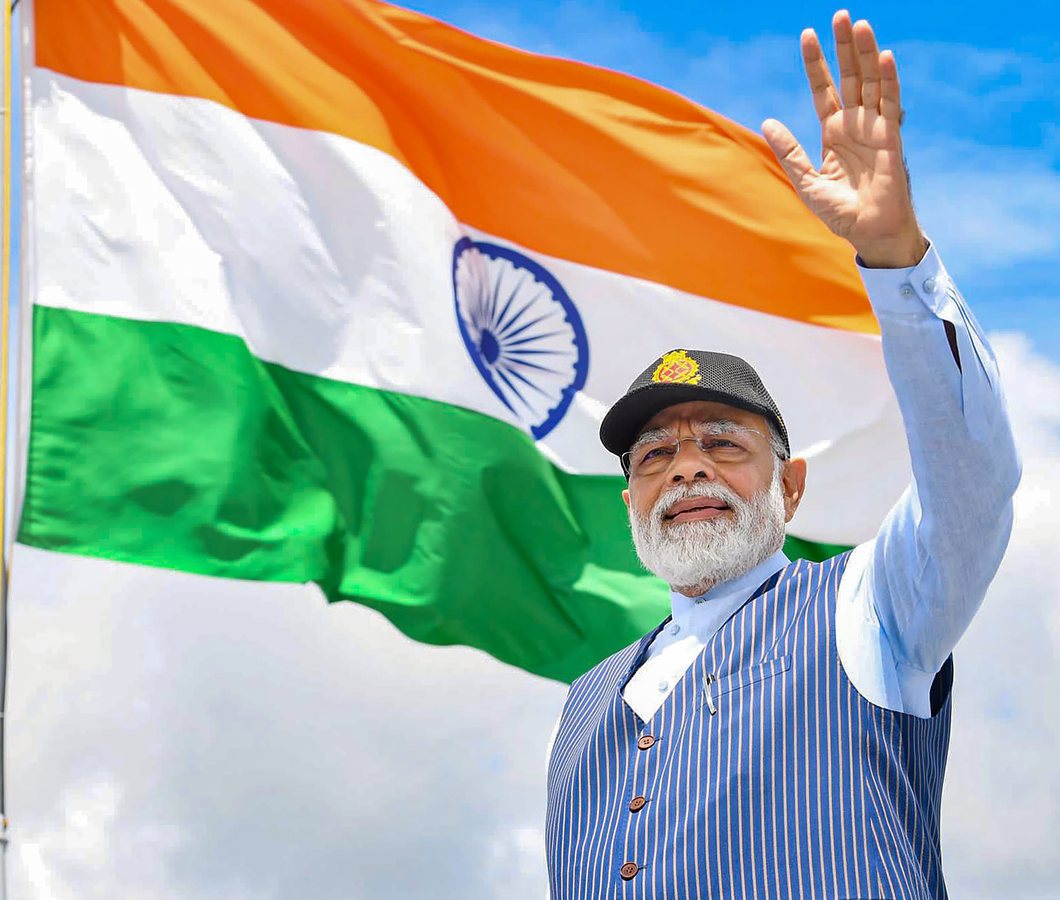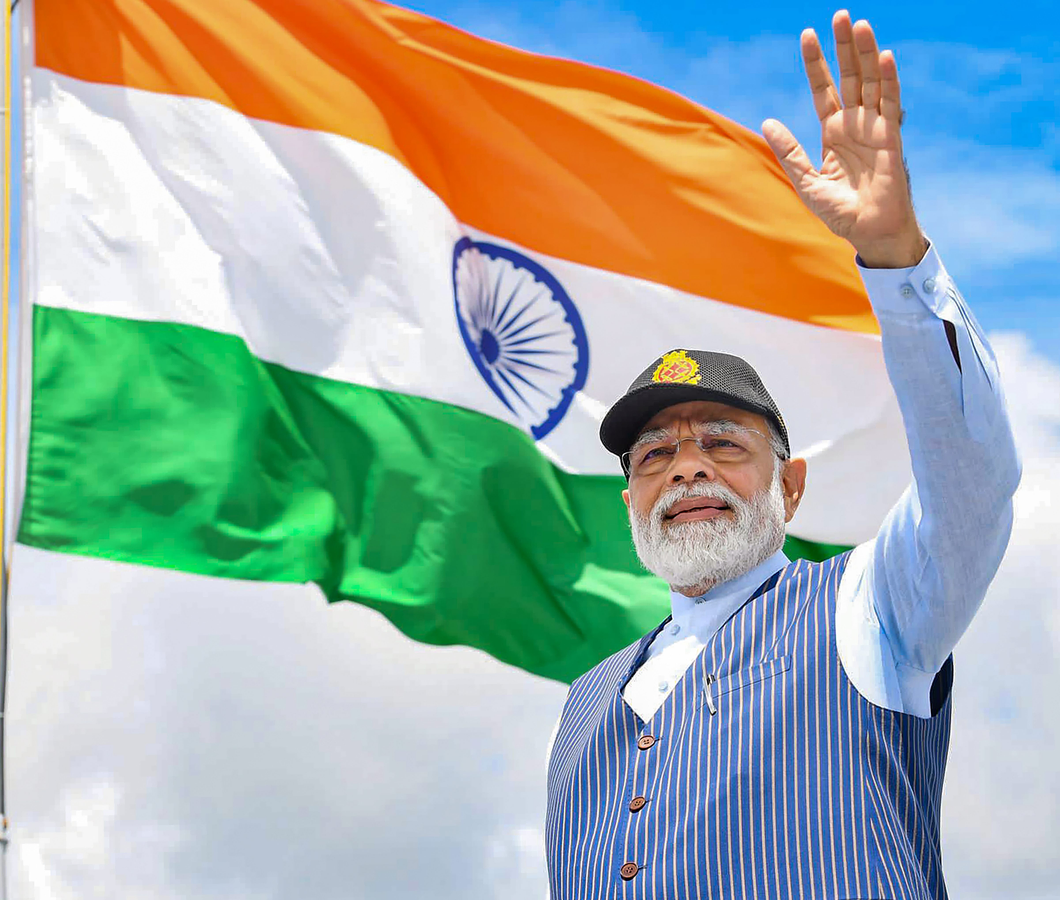
New Delhi, March 3 Prime Minister Narendra Modi spoke to Sultan Haitham bin Tarik of Oman, Crown Prince of Kuwait Sheikh Sabah Al-Khaled Al-Hamad Al-Mubarak Al-Sabah, and Amir of Qatar Sheikh Tamim bin Hamad Al Thani on Tuesday, expressing concern over attacks on their countries during the ongoing conflict in West Asia, officials said.
During his telephone conversations, Modi also discussed with these leaders the welfare and security of the Indian community residing in their countries.
"The prime minister spoke to three important leaders from the Gulf region on Tuesday afternoon. He had separate phone calls with Sultan Haitham bin Tarik of Oman, Crown Prince of Kuwait Sheikh Sabah Al-Khaled Al-Hamad Al-Mubarak Al-Sabah, and Amir of Qatar Sheikh Tamim bin Hamad Al Thani," an official said.
During his talks with the leaders, Modi expressed concern over the attacks in their respective countries and discussed the welfare and security of the Indian community residing there.
The phone calls took place in the wake of a coordinated offensive launched against Iran by the United States and Israel, in which the Islamic country's supreme leader, Ayatollah Ali Khamenei, was killed. In retaliation, Iran has fired drones and missiles at Israel and US military installations around the Gulf, as well as at the global business and aviation hubs of Dubai and Doha.
Over the last two days, Modi has spoken to the King of Bahrain and the Crown Prince of Saudi Arabia, and has condemned recent attacks on the two countries in violation of their sovereignty and territorial integrity, asserting that India stands in solidarity with their people in this difficult hour.
The prime minister has also spoken to King Abdullah II of Jordan and conveyed deep concern over the evolving situation in the region.
Modi has also spoken to United Arab Emirates (UAE) President Sheikh Mohamed bin Zayed Al Nahyan and Israeli Prime Minister Benjamin Netanyahu.
Around 90 lakh Indians live in the Gulf and West Asia. About 10,000 Indian citizens live, study, and work in Iran, while more than 40,000 live in Israel.
Currently, the airspace of West Asia is almost closed. With flight services disrupted due to the military escalation in West Asia, hundreds of Indians are stranded in Dubai, Doha, and other key hub airports.
The Cabinet Committee on Security (CCS), which met on Sunday, expressed concern over the safety and security of the large Indian-expatriate community in the region.
The CCS also directed all concerned departments to take necessary and feasible measures to assist Indian nationals affected by the developments.
"It (CCS) expressed serious concern over the safety and security of the large Indian expatriate community in the region," an official statement issued after the CCS meeting said.
India has in the past successfully evacuated thousands of Indians from different parts of the world, including West Asia, amidst conflicts.
The Ministry of External Affairs (MEA) has said Indian missions across the region are in continuous contact with Indian citizens, and helplines have been activated.
Khamenei was killed in a major attack on Iran launched by Israel and the United States on Saturday. His death was confirmed on Sunday.
US President Donald Trump has said the heavy and pinpoint bombing on Iran would continue through the week or for as long as necessary.