Shimla, February 27 Two days after a Delhi Police team was detained by the Himachal Pradesh Police near Shimla and booked for "kidnapping," Chief Minister Sukhvinder Singh Sukhu defended the state police's action on Friday, stating that the Constitution grants rights to every state, and Himachal Pradesh also has its own sovereignty.
The Delhi Police team should have informed the local police before detaining anyone from the state, Sukhu said.
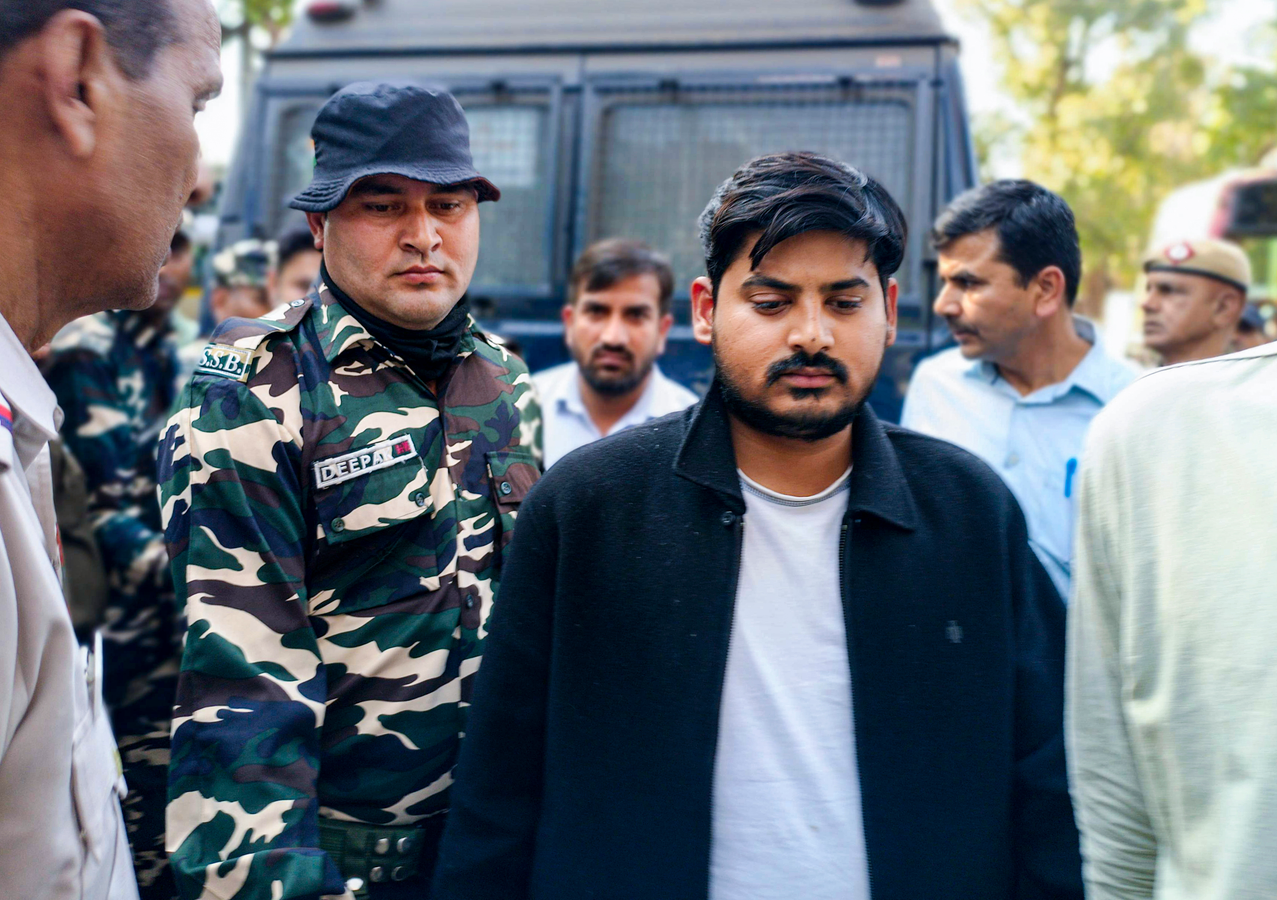
The incident was triggered by the arrest of three members of the Indian Youth Congress (IYC) by a 20-member Delhi Police team from a hotel in Rohru near Shimla, for their alleged involvement in the protest by a group of youth wing members at the AI Impact Summit in Delhi on February 20.
The arrests sparked a tense standoff between the two police forces, which ended after a dramatic 24 hours on Thursday morning, when the team from Delhi was finally cleared to return to the capital along with the three accused.
In the stalemate, the Delhi Police team was detained for about five hours even after obtaining a transit remand from the concerned ACJM in Shimla, sources said.
Speaking to the media here, Sukhu said, "If someone comes in plain clothes and forcibly takes people from here, it is not right. Had the Delhi Police informed the Himachal DGP, such an incident would not have taken place."
"The Constitution gives rights to all the states, and Himachal Pradesh also has its own sovereignty. The Delhi Police should have informed the local police before taking anyone from here," the chief minister said.
Responding to a query, Sukhu said that the BJP has a tendency to oppose everything, including the good work done by the Himachal Pradesh Police.
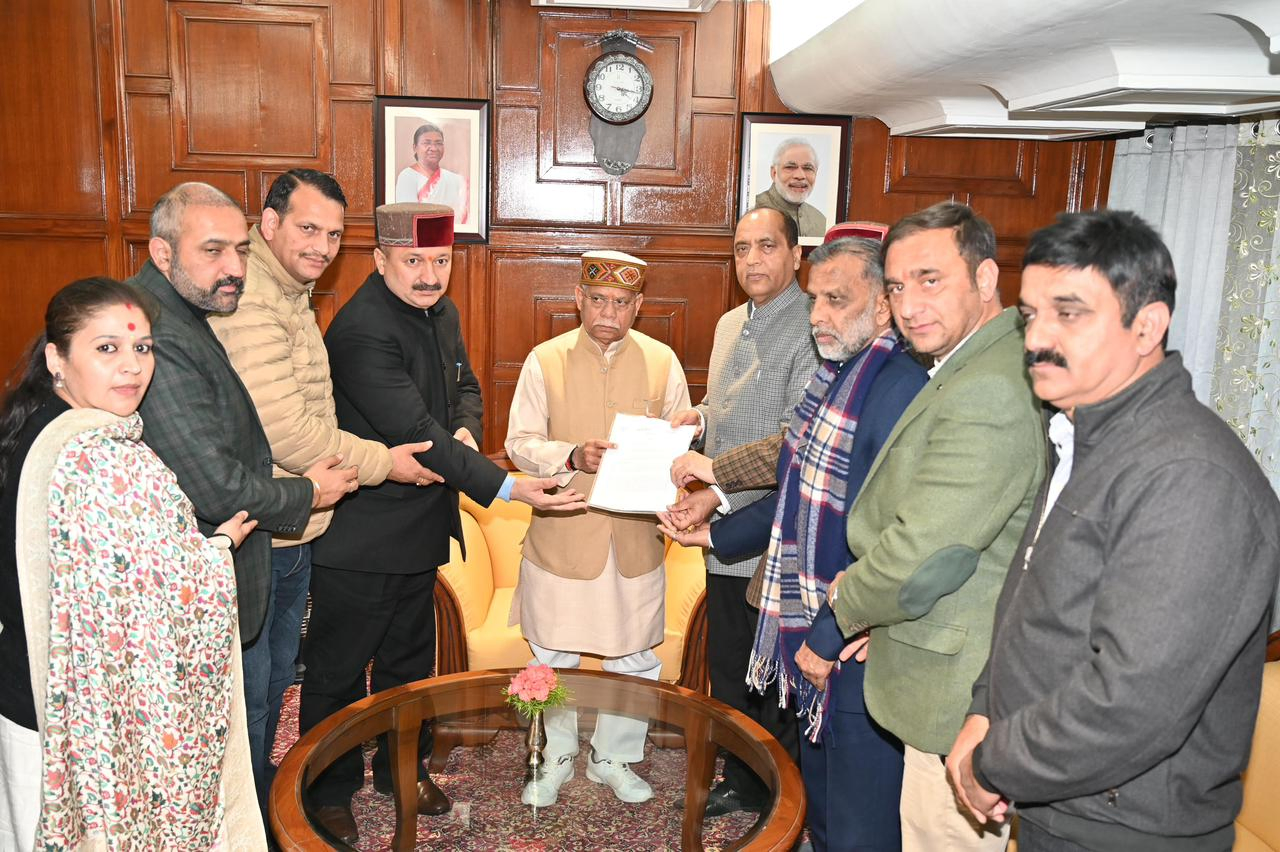
On Thursday, BJP leaders led by Leader of Opposition Jai Ram Thakur submitted a memorandum to Governor Shiv Pratap Shukla demanding a high-level investigation into the incident by the Central government and an independent probe into the role of the chief minister's office (CMO).
In the memo, the BJP leaders cited a "serious constitutional crisis" in the state and misuse of police machinery, and sought the strictest possible action against the "culprits".
"The incident amounted to placing the police forces of two states in confrontation, which is a direct blow to the spirit of cooperative federalism," Thakur said.
He also alleged that "if the state police acted under political instructions, it would constitute a violation of constitutional norms and the oath of office."