Ulaanbaatar, April 8 – At least 20,000 women in their 30s and 40s will undergo screening for human papillomavirus (HPV), a leading cause of cervical cancer, in Mongolia this year, according to local media, citing the country's health ministry.
The ministry emphasized that cervical cancer is preventable and urged women in the targeted age group to actively participate in the screening program.
According to the National Centre for Communicable Diseases, cervical cancer is the second most common cancer among women in Mongolia and the fourth most common cancer nationwide.
In 2025, Mongolia, with a population of 3.5 million, recorded 551 new cases of cervical cancer and 171 related deaths, Xinhua news agency reported.
HPV is a common sexually transmitted infection. Almost all sexually active people will be infected at some point in their lives, usually without symptoms.
HPV can affect the skin, genital area, and throat.
Condoms help prevent HPV but do not offer complete protection because they do not cover all the genital skin.
HPV usually goes away on its own without treatment. Some HPV infections cause genital warts. Others can cause abnormal cells to develop, which can then turn into cancer.
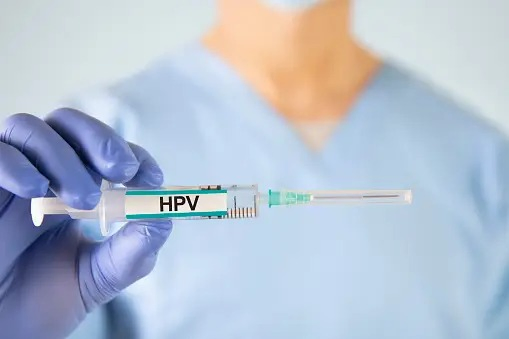
Cancers caused by HPV can be prevented with vaccines.
The vaccine does not contain any live virus or DNA from the virus, so it cannot cause cancer or other HPV-related illnesses. The HPV vaccine is not used to treat HPV infections or diseases caused by HPV, but instead to prevent the development of cancers.
Currently, cervical cancer is the only HPV-caused cancer for which screening tests are available. Screening tests are used to check for disease when there are no symptoms. The goal of screening for cervical cancer is to find precancerous cell changes before they become cancer and when treatment can prevent cancer from developing. Screening for cervical cancer is an important part of routine health care for people who have a cervix. This includes women and transgender men who still have a cervix.
Cervical cancer is the most common type of cancer caused by HPV, as well as other, less common cancers affecting men and women, including anal, vulvar, vaginal, mouth/throat, and penile cancers.