New Delhi, February 16 The Commission for Air Quality Management in the NCR and Adjoining Areas has issued a statutory directive for the coordinated and time-bound implementation of state action plans to prevent and eliminate wheat stubble burning during the 2026 harvesting season, officials said on Monday.
The directive has been issued to the governments of Punjab, Haryana, and Uttar Pradesh, with complementary efforts expected from the governments of Delhi and Rajasthan.
The directives issued by the Commission for Air Quality Management (CAQM) include mapping each farm in all the villages for the proposed mode of wheat stubble management, assigning specific nodal officers to a group of farmers, and covering all farmers in the district.
It also directs the governments to ensure the optimum utilization and timely availability of crop residue management (CRM) machines to farmers, mainly during the peak harvesting season, through a mobile app, and mandates the rent-free availability of CRM machines for small and marginal farmers through the CHCs, among other measures.
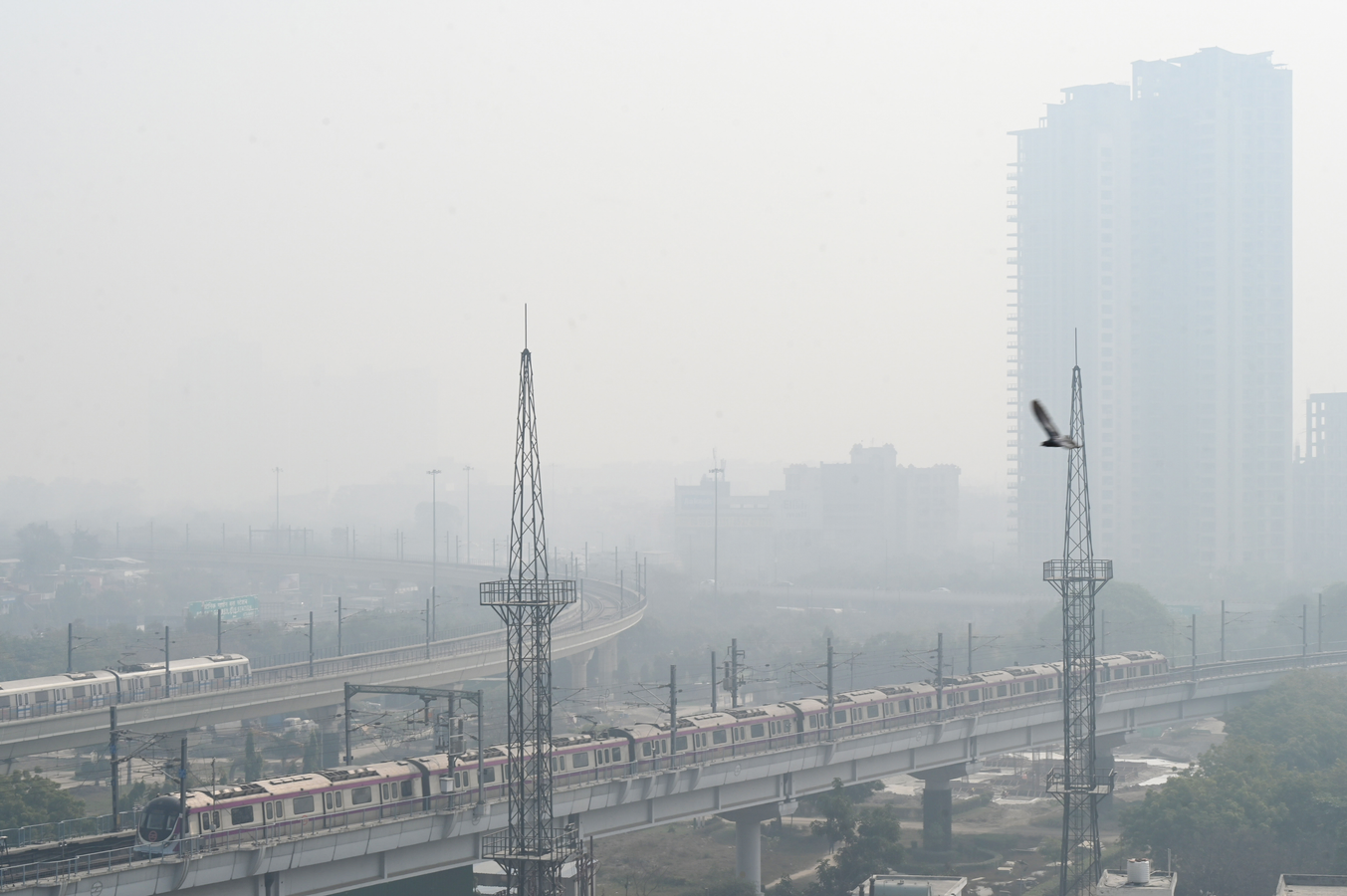
"Agricultural residue burning contributes to the deterioration of air quality both locally and across the NCR and adjoining areas, and therefore requires structured seasonal preparedness. Satellite-based monitoring during the wheat harvesting season (April-May 2025), recording such fire incidents across the region, highlighted the need for targeted wheat-season interventions alongside existing paddy-season measures," a senior official said.
"The Commission had provided a broad framework to the states concerned for the control and elimination of crop residue burning and directed them to draw up detailed state-specific action plans based on the major contours of the framework," the official added.
According to the standard protocol developed by the Indian Space Research Organisation (ISRO) and the Indian Agricultural Research Institute (IARI), the number of fire events recorded during the wheat-harvesting season (April 1 to May 31, 2025) in Punjab, Haryana, and the NCR districts of Uttar Pradesh were 10,207, 1,832, and 259, respectively.
States have been asked to establish a robust and continuous supply chain of wheat straw in various forms for ex-situ (after its removal from the farm) applications, including its use as fodder.
A district-level supply chain management plan will be formulated for each district, considering demand and supply throughout the year, according to the official.
"States have been asked to form a dedicated Parali Protection Force (PPF) at the district or block level, comprising police officers, officers of the agriculture department, administrative officers, nodal and cluster officers, and officials from other stakeholder departments, to closely monitor, oversee, and guard against any incidence of open wheat stubble burning," the official added.