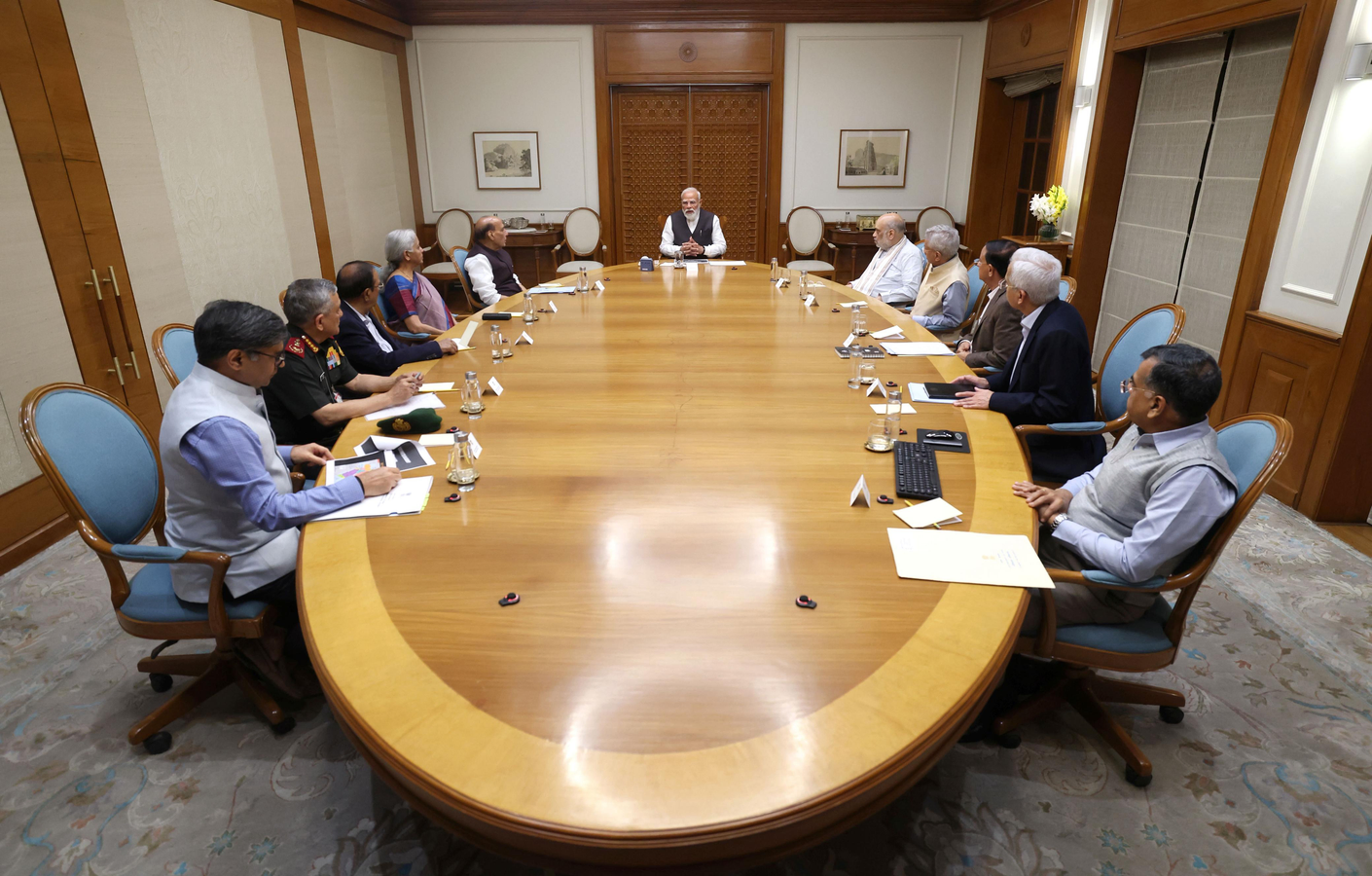
Abu Dhabi, March 13 Amid ongoing conflict in West Asia, India has pursued a diplomatic path, prioritizing the safety of its citizens while engaging with all partners in the region. India's response has remained measured, responsible, and humane, a report highlighted.
West Asia holds a central place in India's strategic landscape. Nearly nine million Indians live and work in Gulf nations. People from India working in various fields in West Asia play an important role in the economies of both India and the Gulf. The well-being of the Indian diaspora has remained a key pillar of India's regional policy, Rishi Suri, a commentator on political and current affairs, wrote in the leading UAE daily, Khaleej Times.
As tensions escalated in West Asia, India made efforts to ensure that its people in the region were not left vulnerable. Indian embassies and consulates in West Asia and neighboring countries remained in contact with Indian nationals, issuing advisories and providing assistance where required.
The Indian government activated contingency plans to closely monitor the situation and facilitate the safe relocation or evacuation of Indian nationals, if needed. India's approach showcases the lessons learned from previous crises, when New Delhi conducted large-scale evacuation and assistance operations during emergencies abroad, from Yemen to Ukraine and Sudan. However, India's approach amid the conflict in West Asia has not been limited to consular assistance; it has also engaged with regional partners.
"New Delhi's diplomacy has been characterized by restraint and balance. Rather than aligning with any one camp in a region marked by competing interests, India has consistently advocated dialogue, de-escalation, and respect for international law. This position reflects India's long-standing foreign policy tradition of strategic autonomy," Suri highlighted.
"India's ability to maintain relations with diverse actors, from Israel to Iran and from Gulf monarchies to regional institutions, has allowed it to navigate the complexities of West Asian politics without becoming entangled in rivalries. Such balanced diplomacy has also enhanced India's credibility as a responsible global actor. In a region often marked by polarized alliances, India is viewed as a partner that prioritizes cooperation and development rather than ideological confrontation," he further stated.
Another important aspect of India's engagement with West Asia amid the ongoing conflict is economic resilience. Trade flows and economic cooperation between India and the Gulf nations have continued to strengthen amid the ongoing tensions in West Asia. According to the Khaleej Times article, India has been one of the largest trading partners for many nations in West Asia, and energy cooperation continues to anchor this relationship.
"By prioritizing the safety of its people while sustaining constructive engagement with its Gulf partners, India has demonstrated that diplomacy need not be driven by confrontation. Instead, it can be guided by cooperation, stability, and a commitment to human welfare. As the West Asia crisis continues to evolve, India's steady and principled response underscores an important reality. Responsible diplomacy is not merely about protecting national interests. It is also about building trust, preserving peace, and ensuring that humanity remains at the centre of international relations," wrote Suri.