Chandigarh, March 8 The AAP government in Punjab announced a new scheme on Sunday under which women will receive Rs 1,000 per month, except for women belonging to Scheduled Castes, who will receive Rs 1,500 per month.
Providing monthly assistance of Rs 1,000 per woman was a key poll promise of the ruling party before the 2022 Punjab assembly elections.
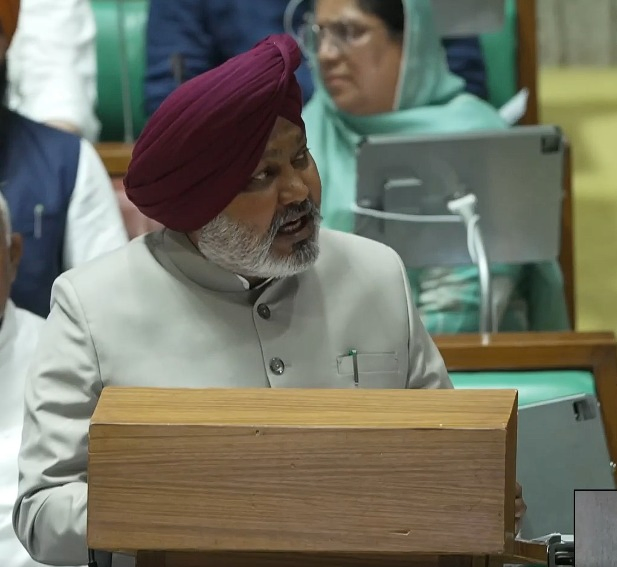
Presenting the state budget for 2026-27 in the Assembly here, Finance Minister Harpal Singh Cheema announced the implementation of the 'Mukh Mantri Mawan Dhian Satikar Yojna', under which the government will directly transfer the money to the accounts of women.
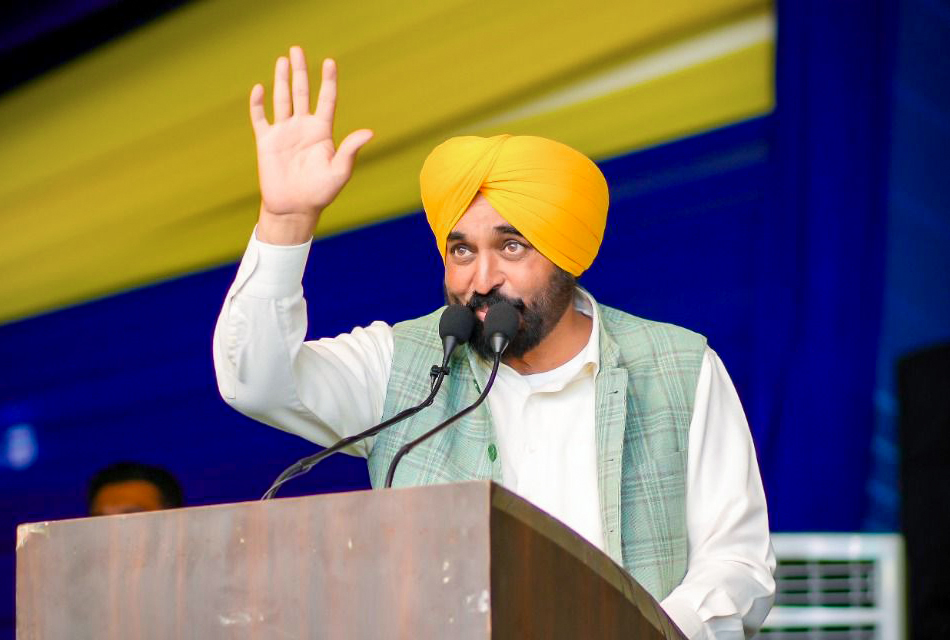
The Bhagwant Mann government launched the new scheme nearly four years after the Aam Aadmi Party came to power in Punjab.
For women belonging to the SC community, the government will transfer Rs 1,500 per month directly to their accounts, Cheema said.
The announcement coincided with International Women's Day. It is the first time that the state budget was presented on a Sunday.
Cheema said this new scheme for women will be not just India's but also the world's first universal cash transfer scheme for women.
"Every woman in Punjab above 18 years of age will be eligible to enroll in this scheme, except for existing or past permanent government employees, existing and past MPs/MLAs, and income tax payers," he said.
Even women enrolled under existing social security pension schemes, such as old-age pension, widow/destitute women pension, or disability pension scheme, will also be eligible under this scheme, he further said.
"In all, around 97 per cent of all adult women in Punjab will be eligible for this scheme, which is the highest for any state in India," said Cheema.
This initiative aims to promote economic independence, strengthen women's role in household decision-making, improve health and nutritional outcomes, and encourage continued education and higher aspirations among girls.
The FM said this reflects the government's belief that empowerment must translate into tangible financial security and greater dignity for women across Punjab.
Targeting rival parties, Cheema said that many states have started announcing similar schemes, but they limit them only to a small section of women, ignoring the vast majority of women who are financially dependent on men for their most basic needs.
"For example, one of our neighboring states announced a similar scheme but limited it only to households with an annual income of under Rs 1 lakh, covering only 20 per cent of all adult women," he said, without naming the state.
However, Punjab will not do such 'jumlas', said Cheema.
"Chief Minister Bhagwant Mann Ji is not a Chief Minister for 20 per cent of women in Punjab, but for all the women of Punjab...That is why we have decided to become the first state to ensure that all adult women are covered under the scheme," said Cheema.
"So, whether she is a daughter studying in college who needs extra books, a daughter preparing for a government job who needs coaching, or a woman who wants to watch a movie in a cinema hall, or a grandma who wants to buy a new toy for her granddaughter, now, they won't have to ask for money from anyone for their expenses because their elder brother, their son Bhagwant Singh Mann, will deposit Rs 1,000 to Rs 1,500 every month into their bank account," said Cheema.
The FM made a budgetary outlay of Rs 9,300 crore for 2026-27 to ensure the transparent and timely implementation of the scheme.
Before the AAP came to power in Punjab, AAP national convener Arvind Kejriwal had promised to give Rs 1,000 to every woman.
The announcement of rolling out the scheme for women by the Mann government came amid rising pressure from opposition parties – Congress, Shiromani Akali Dal, and BJP – which have been targeting the AAP dispensation for failing to keep its poll promises.
The opposition parties have also been demanding that the Mann government should give Rs 1,000 per month along with Rs 48,000 to every woman, which would have accrued over the last four years, as the AAP had promised to provide the financial assistance after coming to power in 2022.