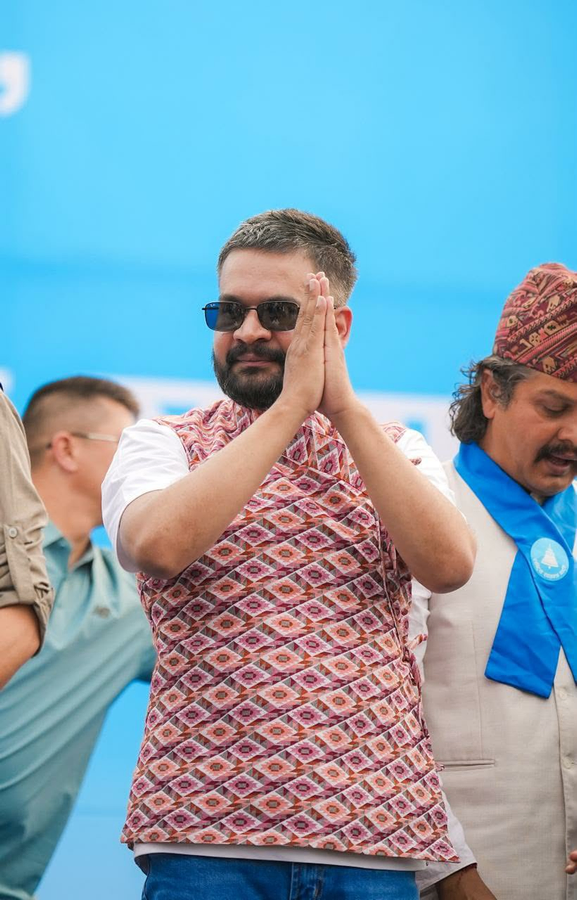
Kathmandu, March 7 – Rapper-turned-politician Balen Shah has secured victory in Jhapa-5 in eastern Nepal in the elections for the House of Representatives, defeating former Prime Minister K.P. Sharma Oli by a wide margin in what was described as a battle for the next prime ministership.
However, the contest remained largely one-sided, as Shah, the prime ministerial candidate from the Rastriya Swatantra Party (RSP), secured 68,348 votes against 18,734 votes polled by Oli, who suffered a humiliating defeat at the hands of the newcomer. The votes secured by Shah are the highest ever in Nepal's parliamentary elections since the 1991 elections.
This is not the first time Oli, chairperson of the Communist Party of Nepal (Unified Marxist–Leninist) (CPN-UML), has faced defeat in Jhapa. In 2008, Maoist candidate Bishwadip Lingden had defeated him when the Maoists swept to a massive victory in the 2008 Nepal Constituent Assembly election.
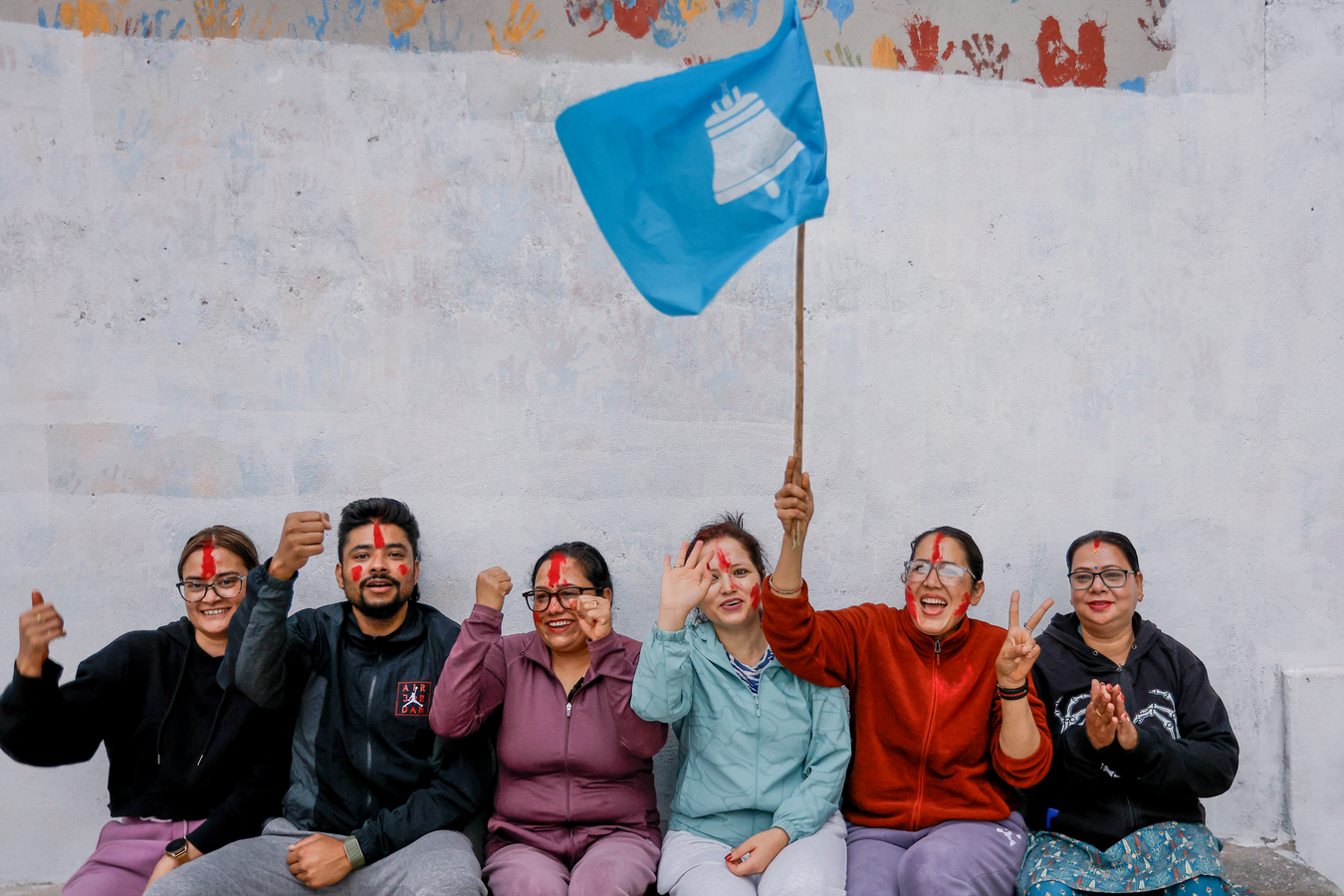
When Shah, the former Mayor of Kathmandu Metropolitan City, chose Jhapa-5 – the traditional stronghold of Oli – to contest the election, many questioned the move. However, the RSP's electoral wave has now proven successful, with the party winning 61 seats and leading in another 61 constituencies out of 165 under the First-Past-the-Post (FPTP) electoral system by Saturday evening. The party is also leading under the proportional representation system, and if this trend continues, it could secure a supermajority in the 175-member House of Representatives.
Shah entered politics only a few years ago, much like his party. However, public disillusionment with traditional political parties – including the Nepali Congress, the CPN-UML, and the Communist Party of Nepal (Maoist Centre) – had run so high due to their perceived underperformance and corruption that many voters appeared to view Shah and a new generation of leaders as a better alternative.
Shah entered politics by running for Mayor of Kathmandu in 2022 and winning as an independent candidate. His unexpected victory set the stage for other ambitious younger figures, such as former media personality Rabi Lamichhane, to launch the RSP in the same year.
Within a few months of its establishment, the RSP emerged as the fourth-largest party in the House of Representatives in the 2022 Nepalese general election. Shah maintained his rebellious and enigmatic persona during his tenure as Mayor of Kathmandu Metropolitan City, frequently criticizing top leaders of traditional political parties on social media – a style that endeared him to the country’s young population.
In September last year, Nepal witnessed the deadly Gen-Z movement, which led to the fall of the government headed by Oli and paved the way for the formation of the current interim government led by Prime Minister Sushila Karki, as well as the dissolution of the House of Representatives.
Months before the fresh elections held on March 5, Shah and Lamichhane came together under the banner of the RSP – a move that proved to be a masterstroke, as the party swept the parliamentary elections.
Shah is expected to lead the next government with a supermajority that could enable him to implement the party’s agenda, as other political parties are likely to be in a much weaker position to mount any meaningful opposition.