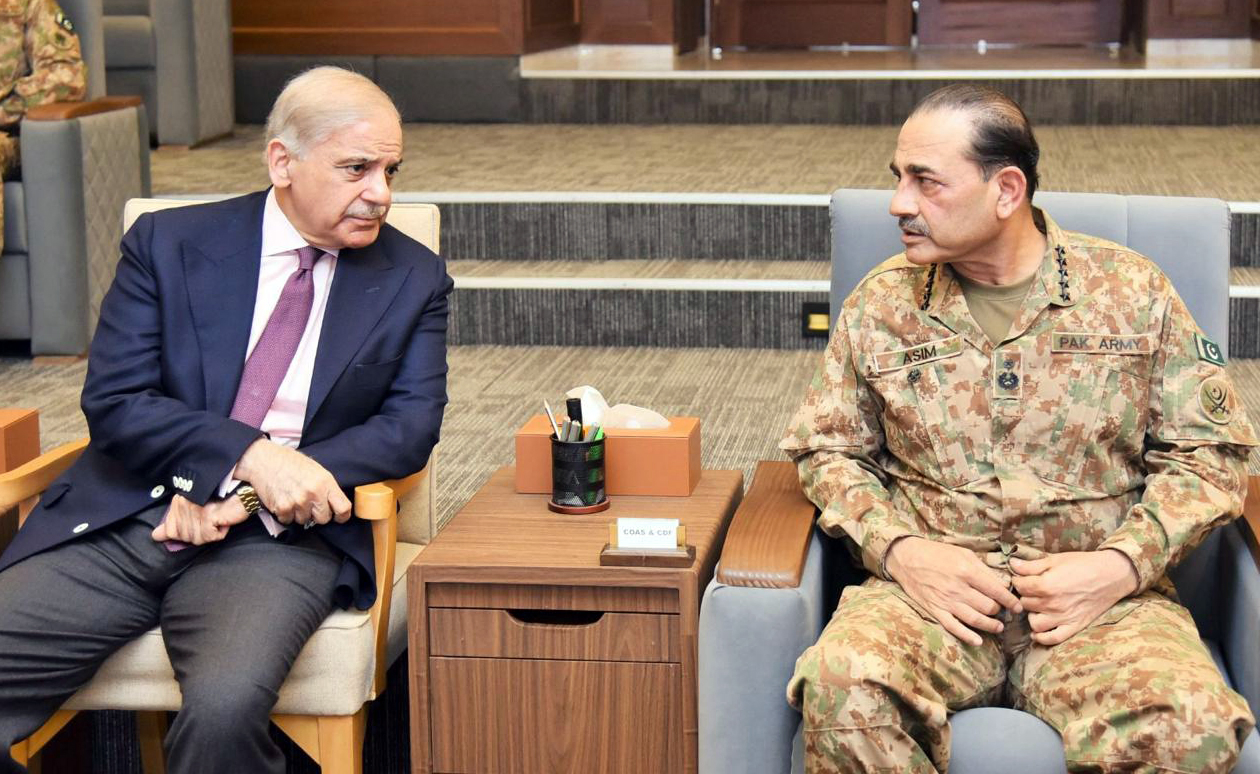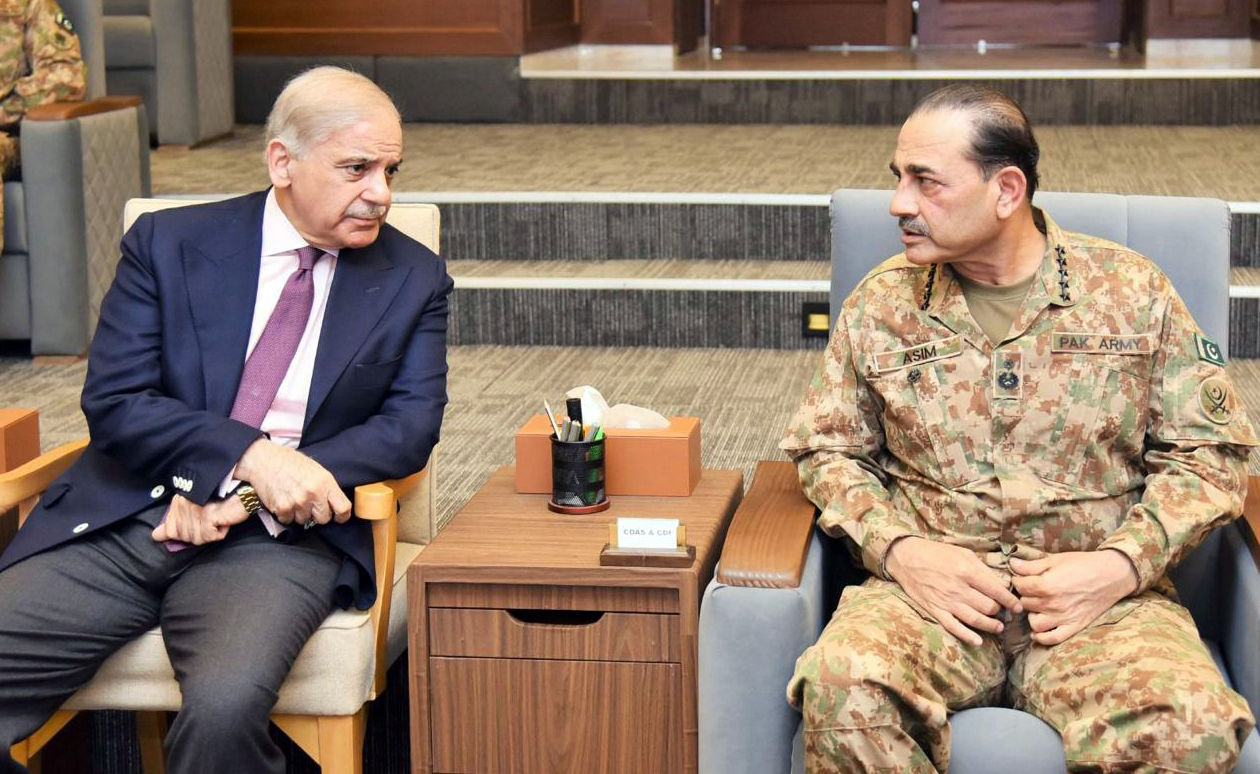
According to a report, Pakistan has remained silent despite Saudi Arabia facing repeated attacks from Iran, targeting key installations, including energy infrastructure, even though Islamabad has a "Strategic Mutual Defence Agreement (SMDA)" with Riyadh.
Despite receiving financial and strategic support from Saudi Arabia for decades, Pakistan continues to "appease" Iran, Salah Uddin Shoaib Choudhury wrote in an opinion piece in The Eurasian Times.
"It is worth noting that relations between Saudi Arabia and Pakistan span more than seven decades, with the deployment of Pakistani military personnel for Saudi security forming an institutionalized arrangement over the years. Furthermore, hundreds of thousands of Pakistani nationals are employed in the Kingdom, significantly contributing to Islamabad's foreign currency earnings," the piece said.
Following repeated attacks from Iran, Saudi Arabia's Foreign Minister, Prince Faisal bin Farhan, issued a warning that the Kingdom's restraint in the face of growing Iranian aggression "is not unlimited," indicating that military action is still an option, as Arab and Islamic states in a joint statement urged Tehran to stop its aggression, according to The Eurasian Times report.
Amid ongoing conflict in West Asia, Iranian President Masoud Pezeshkian publicly apologized for hostile actions against nations in West Asia on March 7. Despite such statements, Iran has continued to carry out attacks on Gulf nations, clearly signaling that Tehran's objective is not only to cause damage to Israel but also to impact the economies of the nations of West Asia by targeting their critical infrastructure.
During the war, the Gulf nations most affected include Saudi Arabia, the UAE, and Qatar, despite Doha reportedly spending money on supporting Iranian proxies such as Hamas, Hezbollah, and the Houthis, with the apparent goal of making Israel face sustained pressure.
Amid the war, the UAE's Minister of Industry and Advanced Technology Sultan Al Jaber has warned that attacks on energy infrastructure are impacting its operations, and it could have implications as tensions rise.
Amid Iran's rising attacks, Qatar's Ministry of Foreign Affairs has declared several Iranian diplomats persona non grata. According to reports, a significant number of Iranian nationals in the UAE, including covert members of the Islamic Revolutionary Guard Corps (IRGC) and Basij, are trying to create unrest against the government, according to the opinion piece.
"It has also been reported that Iranian operatives are recruiting Pakistani nationals in the United Arab Emirates, Qatar, Bahrain, Kuwait, and Saudi Arabia to conduct online propaganda campaigns against these states and their leadership. Earlier, Turkish journalist Uzay Bulut detailed in an investigative report how Pakistan-based networks have been spreading AI-generated Iranian propaganda on social media platforms," Choudhury wrote.