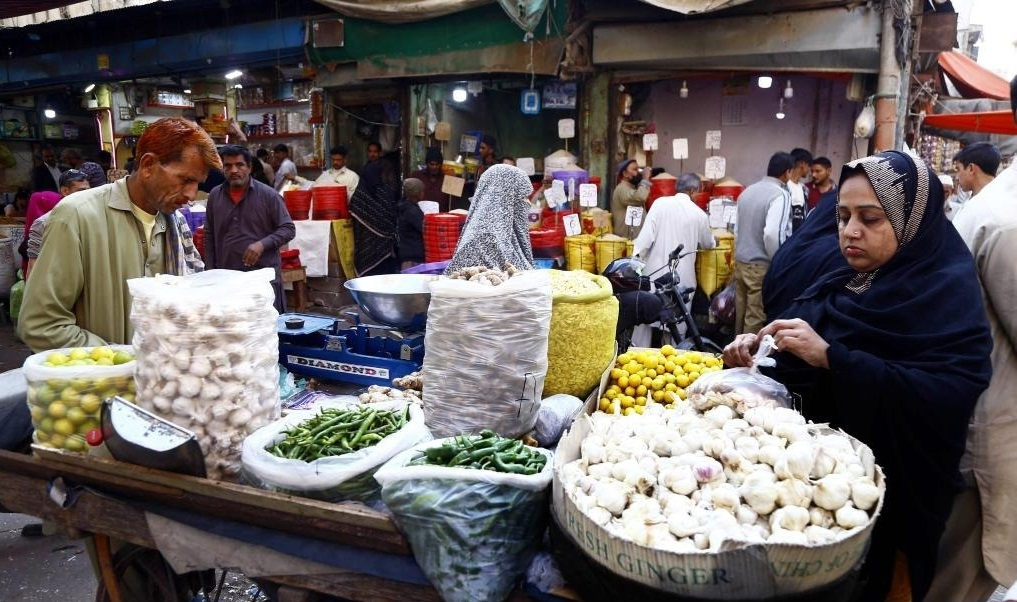
Islamabad, March 12 – Retailers in major Pakistani cities have raised the prices of confectionery and other daily-use commodities, including fresh fruits, citing the recent increase in petroleum prices. Although most shops were still selling existing stock purchased at older prices, local media reported on Thursday that this had raised serious concerns for consumers.
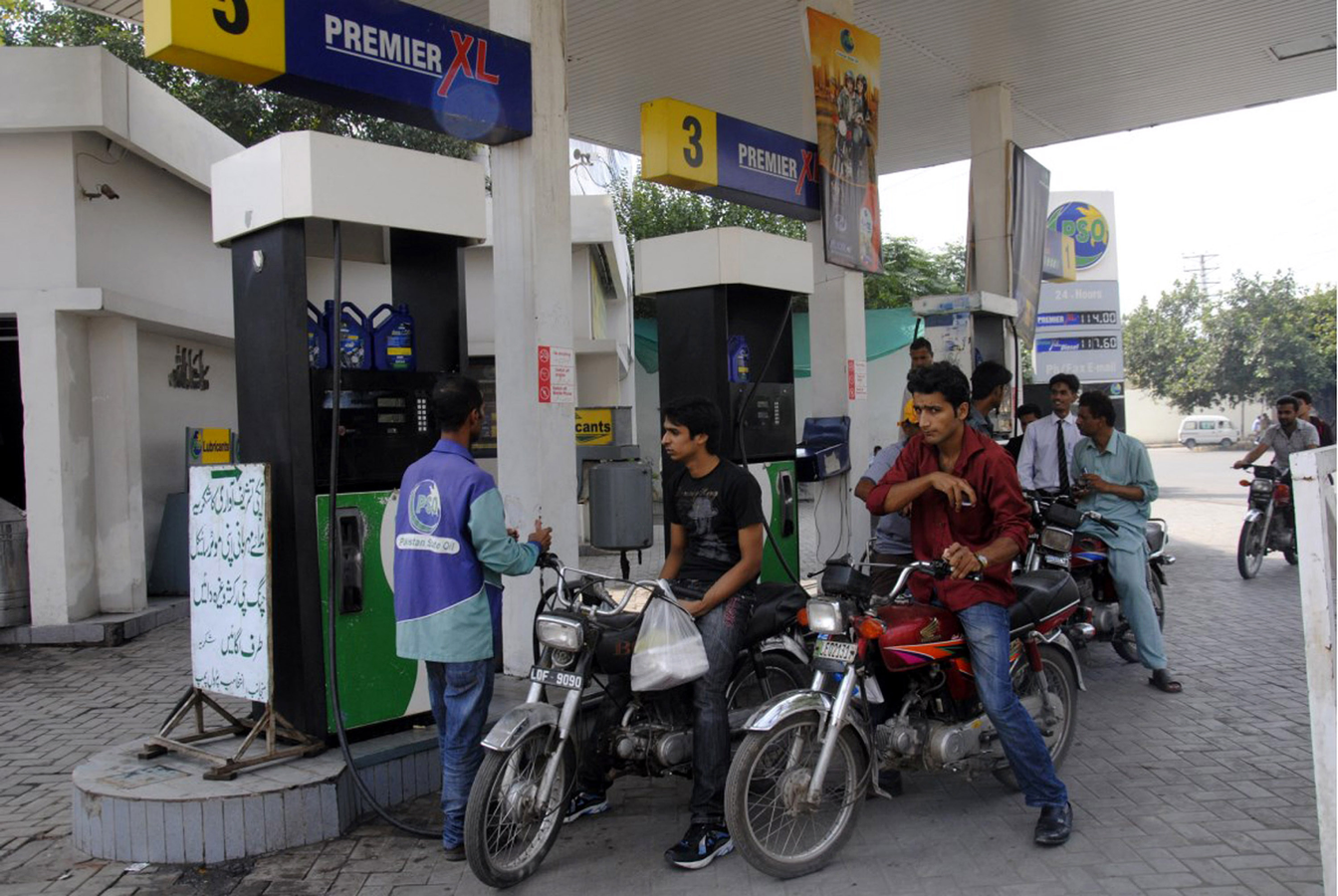
People said that shopkeepers started asking for higher prices for commonly consumed products like noodles, toothpaste, biscuits, clothes, and locally-produced chocolates immediately after the government raised petrol and diesel prices by Pakistani Rupees (PKR) 55 per liter on March 7, as reported by Pakistan's leading daily, Dawn.
Wafa Abbas, a resident of Islamabad, said, "When we went to buy basic items from a shop, we found that the prices of every item had been increased by PKR 10."
According to residents, shopkeepers have raised prices even though the items sold in the shops were from previously purchased stock. Meanwhile, retailers have said that increased distribution and transportation costs have forced them to adjust prices.
Ghulam Ullah, a shopkeeper in Aabpara Market, said, "We have to face inventory loss when prices are decreased; therefore, the balance has to be maintained."
He blamed the government for not warning traders before implementing the higher prices so that they could adjust their stocks accordingly.
Saleem Pervaiz Butt, Chairman of the Rawalpindi Association, stated that the price of pulses had been raised by PKR 15 to PKR 20 per kilogram after wholesale dealers and goods transporters raised their prices.
Traders stated that further adjustments in the prices of packaged food and confectionery products could not be ruled out if petroleum prices remain higher.
Several confectionery manufacturers and distributors were still analysing the price structure and were expected to formally revise the rates after the increase in fuel prices, as reported by Dawn, citing market sources.
Despite having adequate supplies, the prices of green groceries, particularly tomatoes and chillies, have increased, with different markets of Islamabad charging varied rates. The shopkeepers have blamed the wholesale market for the high prices and the commission agents for the situation.
Petrol and diesel prices in Pakistan have shot up by nearly Rs 55 per liter after the outbreak of the Iran war, which reflects the energy import trap that the country has been stuck in during recent years, according to the report in the Karachi-based Business Recorder.
As global oil prices surge and shipping costs rise due to war premiums and security risks, Pakistan has little choice but to pass the increase on to consumers. But the uncomfortable reality is that the Rs 55 per liter hike may only be the beginning, according to the report.