Kabul, April 7: Pakistan's commitment under the bilateral defence agreement with Saudi Arabia appears largely symbolic, with Islamabad's response to Iranian strikes in the Kingdom proving ineffective, according to a report.
According to the Afghan Diaspora Network, Pakistani Deputy Prime Minister Ishaq Dar, addressing the Senate on March 3, reminded the Iranian Foreign Minister of the Strategic Mutual Defence Agreement (SMDA) with Saudi Arabia.
However, citing a treaty is not the same as fulfilling its obligations. The report added that Islamabad refrained from deploying air defence systems, fighter jets, and interceptor batteries, instead offering to mediate.
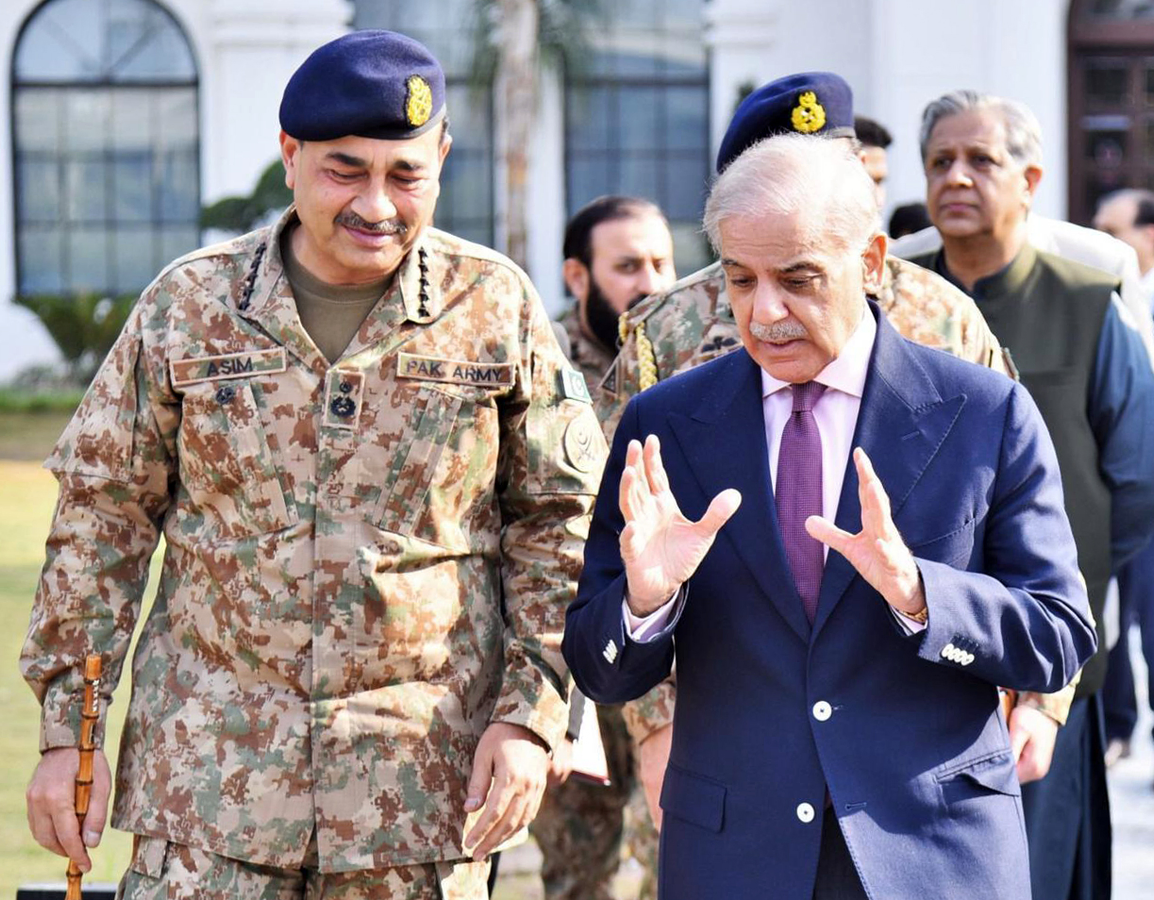
On March 12, Saudi Crown Prince Mohammed bin Salman summoned Pakistani Prime Minister Shehbaz Sharif, along with Army Chief Asim Munir and Dar, to Jeddah.
The report suggests that Saudi Arabia explicitly invoked the SMDA, calling for Islamabad's active military involvement.
As Pakistan continued to hedge, the Crown Prince reportedly became frustrated with Islamabad's reluctance and a "clear breach" of the SMDA.
"Pakistan's excuse has been the ongoing military conflict with Afghanistan, which it initiated unilaterally. Because its forces are heavily engaged against the Taliban, Islamabad argues that it cannot spare resources for Saudi defence. Pakistan would likely limit itself to low-level defensive support rather than direct intervention, citing the Afghan war, the risk of Iranian retaliation, and domestic sectarian tensions. But this excuse collapses under scrutiny as Pakistan decided to escalate the conflict with Afghanistan and disregarded all mediation efforts," the Afghan Diaspora Network report detailed.
"Pakistan's own Defence Minister warned in February that action would come before Ramadan, but the timing of the escalation, days before the Iran war, looks less like counterterrorism and more like strategic positioning. Saudi Arabia and Qatar, the two previous mediators in the Pakistan-Afghanistan conflict, would be too preoccupied with the Iran crisis to intervene, giving Pakistan a free hand to sustain hostilities without outside pressure," it added.
Highlighting that Pakistan's reluctance reflects a recurring pattern, rather than an isolated case, the report said, "In 2015, when Saudi Arabia launched Operation Decisive Storm against Houthi rebels in Yemen and explicitly asked Pakistan for fighter jets, troops, and naval support, Pakistan's parliament voted unanimously to remain neutral. That was without a formal defence pact, but it led to a chill in the bilateral relationship."
"In 2026, the same pattern repeats with a signed defence agreement on the table. Pakistan has long treated its alliances as mechanisms of extraction, and it milked the United States for billions during the war on terror while sheltering the groups America was fighting. China has invested billions through the China-Pakistan Economic Corridor (CPEC), and Pakistan has struggled to provide basic security for Chinese projects," it added.
Pakistan's unwillingness, the report noted, exposed its failure to act on the commitments of the defence pact, breaking Saudi Arabia's trust.
"Saudi Arabia, which bankrolls Pakistan's economy, deposits billions in its central bank, absorbs millions of its workers, and now finds itself under sustained Iranian attack, has every reason to feel betrayed," it stated.