Dehradun, February 18 – Uttarakhand has achieved a milestone of 1 gigawatt (GW) of installed solar power capacity, marking a significant step in the state's push towards renewable energy and sustainable development.
According to official figures, the total installed solar capacity in the state has reached approximately 1,027.87 megawatts, reflecting steady progress in expanding clean energy infrastructure.
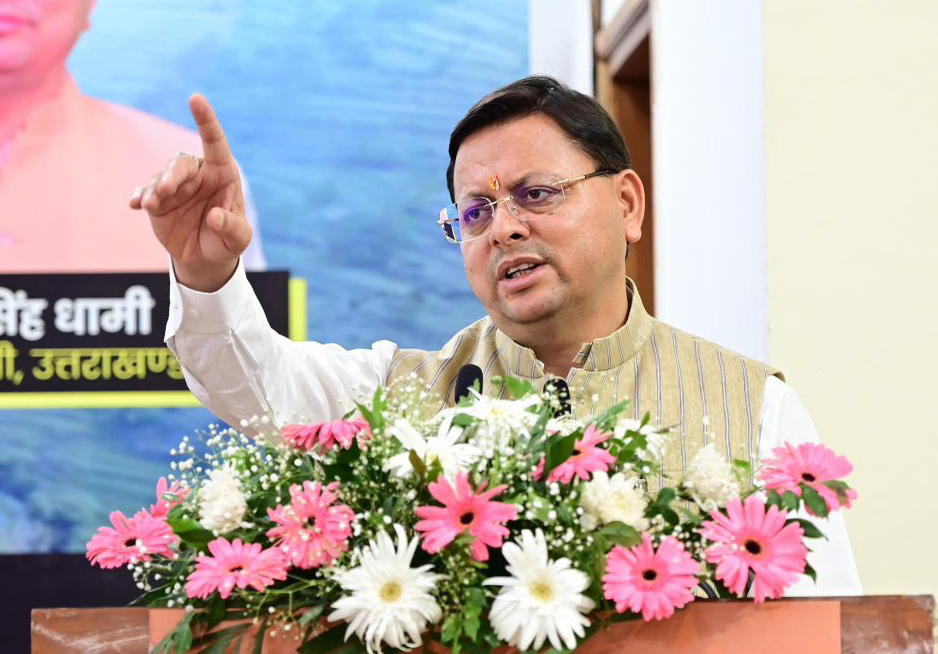
Chief Minister Pushkar Singh Dhami stated that this achievement aligns with the renewable energy vision of Prime Minister Narendra Modi and the broader goal of building a "Self-Reliant India" through green energy initiatives. He noted that coordinated efforts between central schemes and state programs have helped create employment opportunities for youth and local entrepreneurs.
Officials said that this milestone has been achieved through a combination of grid-connected rooftop systems, ground-mounted solar plants, installations on government buildings, solar pumps for agriculture, and projects in the commercial and industrial sectors.
Of the total installed capacity, approximately 397 MW comes from ground-mounted projects, 241 MW from rooftop solar installations under the PM Surya Ghar scheme, 137 MW under the Chief Minister Solar Self-Employment Scheme, and 110 MW through commercial net metering. Additional contributions include 51 MW from captive solar plants, 37 MW from canal-top and canal-bank projects, and 26 MW installed on government buildings.
Work is also underway on additional projects, including over 100 MW under the Chief Minister Solar Self-Employment Scheme, 30 MW of captive solar capacity, and 13.5 MW on government facilities.
The Uttarakhand Renewable Energy Development Agency has played a key role in implementing solar projects across the state, particularly in remote and mountainous areas, through technical support, awareness campaigns, and the execution of government schemes.
Officials said that supportive policies, subsidies, simplified approval procedures, and incentives for private investment have helped accelerate solar adoption in the state. The expansion of solar capacity is expected to reduce carbon emissions, strengthen energy security, and generate local employment.
The state government aims to further increase solar installations, expand access in remote regions, and enhance public participation in clean energy initiatives.