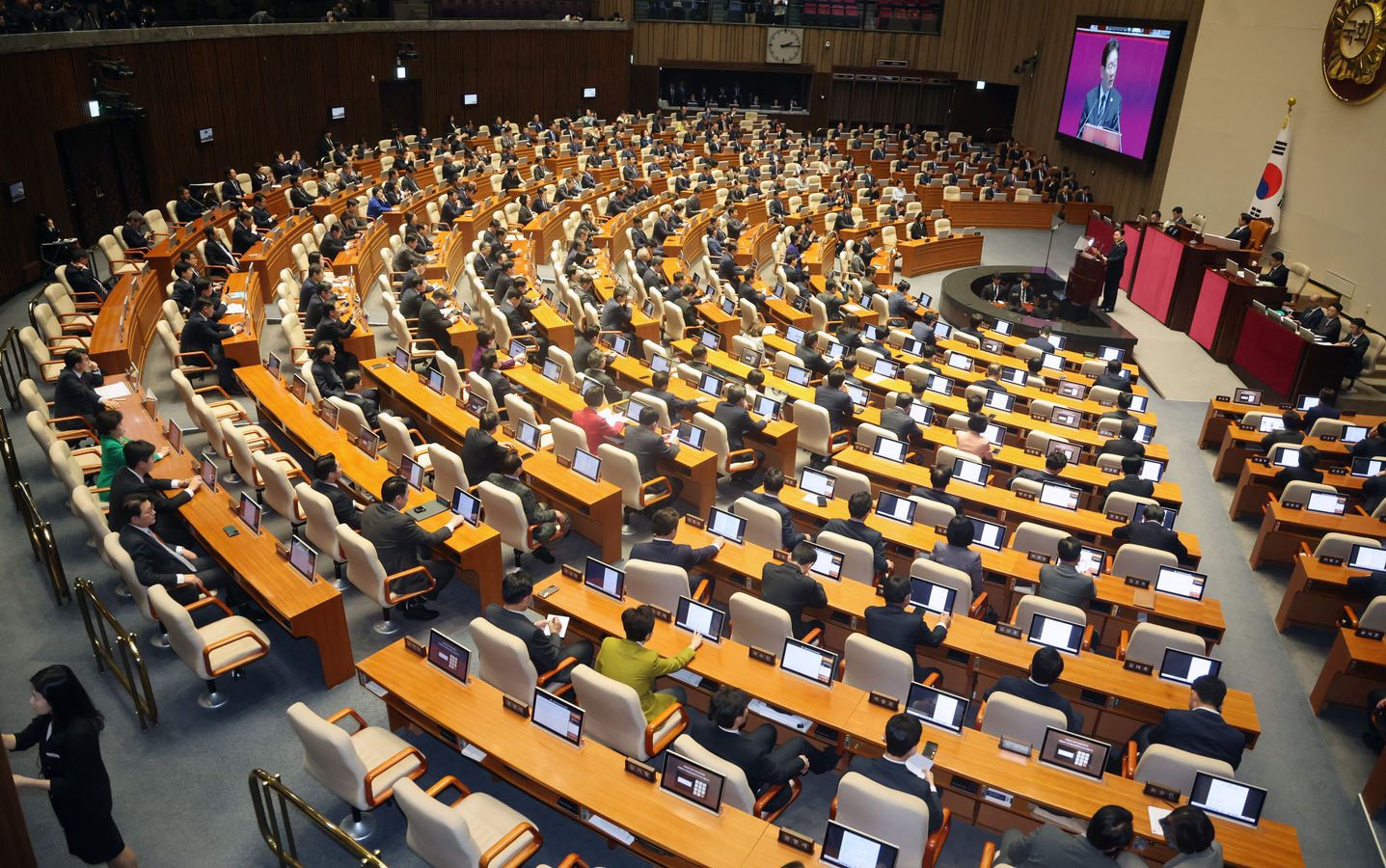
Seoul, April 10 – South Korea's National Assembly is set to handle an additional budget bill on Friday aimed at coping with the economic fallout from the ongoing war in the Middle East.
The additional budget, intended to ease the burden of rising oil prices and protect small businesses and vulnerable households from the economic repercussions of the conflict, has expanded to around 30 trillion won ($20.3 billion) from the government's initial proposal of 26.2 trillion won, following reviews by standing committees.
Rival parties had earlier agreed to pass the bill by Friday, but remain at odds over the details of the budget, including the government's plan to distribute cash assistance to the bottom 70 percent of income earners, designed to ease the burden from rising oil prices, Yonhap news agency reported.
If the bill is passed, about 35.8 million people will receive between 100,000 won and 600,000 won per person, with payments differentiated by income level and region.
The main opposition People Power Party has argued that the projects included in the bill are inconsistent with the purpose of the additional budget, calling for programs that provide direct assistance to those affected. The ruling Democratic Party has urged the swift passage of the bill.
The National Assembly will hold a plenary session later in the day to process the bill.
Earlier on April 7, South Korea had secured an additional 60 million barrels of alternative oil supplies for May that will replace supplies from the Middle East that have been blocked due to the effective closure of the Strait of Hormuz, the government said.
The country has secured a total of 110 million barrels of oil – 50 million for April and 60 million for May – so far from 17 countries, including Saudi Arabia, the United States, the United Arab Emirates, Brazil and Canada, Yang Ghi-wuk, deputy minister for trade, industry and resource security, said in a regular press briefing.
The amount secured for this month and May each represents about 60 percent and 70 percent, respectively, of monthly oil supplies to South Korea when things run as usual, he added.
Regarding the oil swap system introduced last week, Yang said the country's major four refiners have submitted plans to borrow more than 30 million barrels under the program, with around 8 million barrels to be delivered this week.