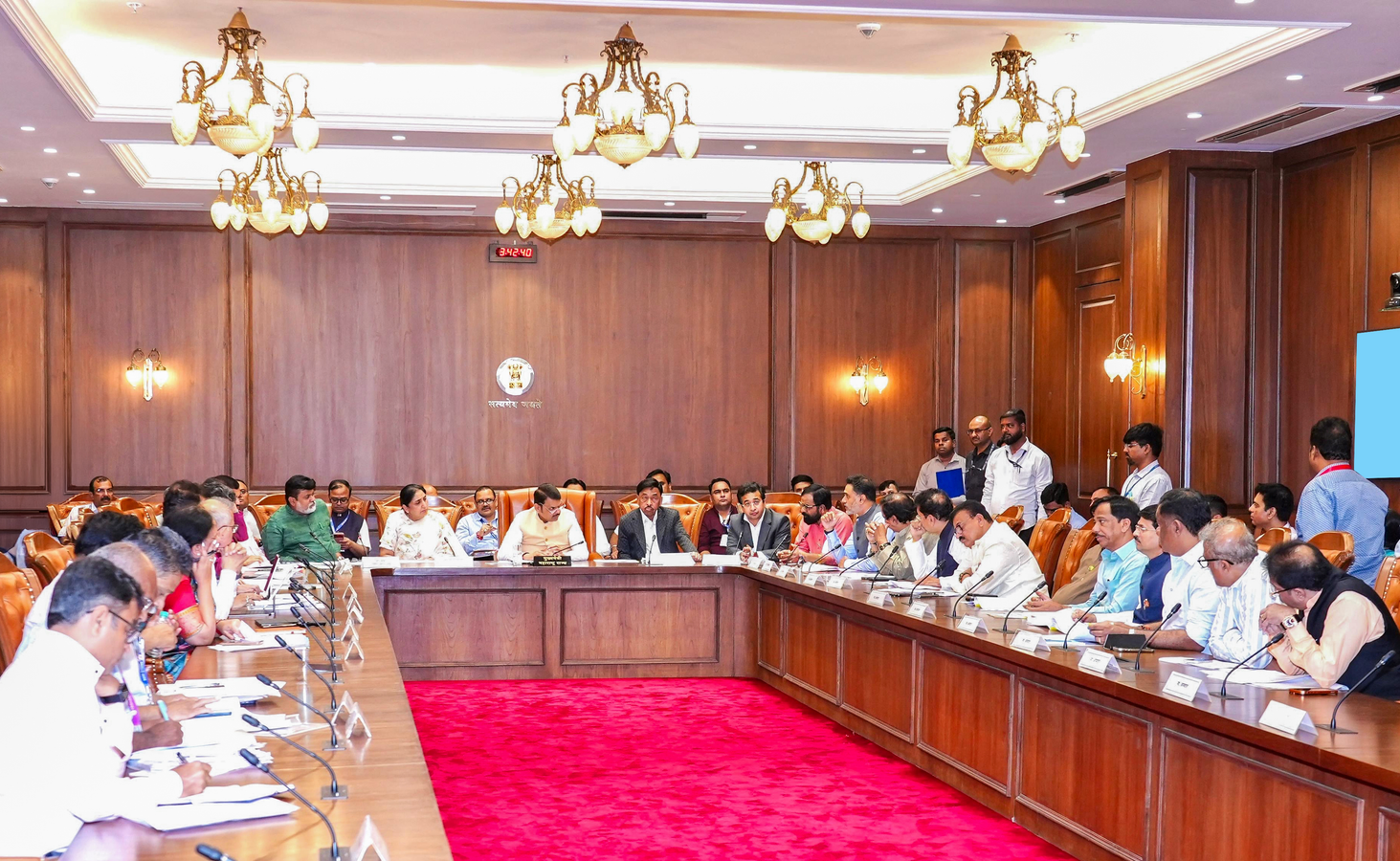
Mumbai, March 18 – Maharashtra Agriculture Minister Dattatray Bharne said on Tuesday that the 8th installment of the Namo Shetkari Mahasanman Nidhi Yojana will be directly deposited into farmers' bank accounts next week.
The Government Resolution (GR) regarding this has been issued, and an allocation of Rs 1,774 crore has been approved for the installment.
He said that around 90.34 lakh eligible farmers across the state will benefit from the decision.
Bharne said that Chief Minister Devendra Fadnavis, Deputy Chief Minister Eknath Shinde, and Deputy Chief Minister Sunetra Pawar had taken special interest in ensuring that the necessary funds were made available for the 8th installment.
The Namo Shetkari Mahasanman Nidhi Yojana was launched by the State Government on the lines of the Central Government’s PM-Kisan Samman Nidhi Yojana. Its primary objective is to provide direct financial assistance to reduce rising farming costs and boost farmers’ income.
Farmers in the state receive Rs 6,000 annually under PM-Kisan (Central) and another Rs 6,000 under the Namo Shetkari scheme (State), for a total of Rs 12,000 per year.
While the approved distribution amount for this installment is Rs 1,774 crore, the actual disbursement to farmers will total Rs 1,820 crore, the minister said.
Seven installments have been distributed under the scheme so far. The 8th installment covers the period from August 2025 to November 2025.
Following the distribution of the 22nd installment of the PM-Kisan scheme by the Central Government on March 13, 2026, the State Government acted swiftly to expedite the Namo Shetkari installment, Bharne stated.
He said that the scheme is being effectively implemented to increase farmers’ income, reduce production costs, and make agriculture more resilient.
“After the success of the first seven installments, this eighth one will provide massive relief and strengthen the rural economy,” he said.
The GR said that the decision to pay the 8th installment is expected to provide direct financial support to help farmers cover agricultural expenses, thereby boosting the rural economy and making farming more sustainable.