Bhubaneswar, March 28 Odisha Chief Minister Mohan Charan Majhi on Saturday appealed to the people of the state to refrain from panic buying to ensure smooth functioning of the supply chain in the midst of the West Asia conflict.
He also praised the Central government's decision to reduce excise duty on petroleum, calling it a "timely" and "forward-looking" step that prioritizes citizens and upholds the principle of "nation first."
The government has reduced excise duty on petrol and diesel by Rs 10 per litre each, a move aimed at protecting domestic consumers from a surge in global oil prices triggered by the West Asia conflict, at an estimated revenue cost of Rs 1.75 lakh crore.
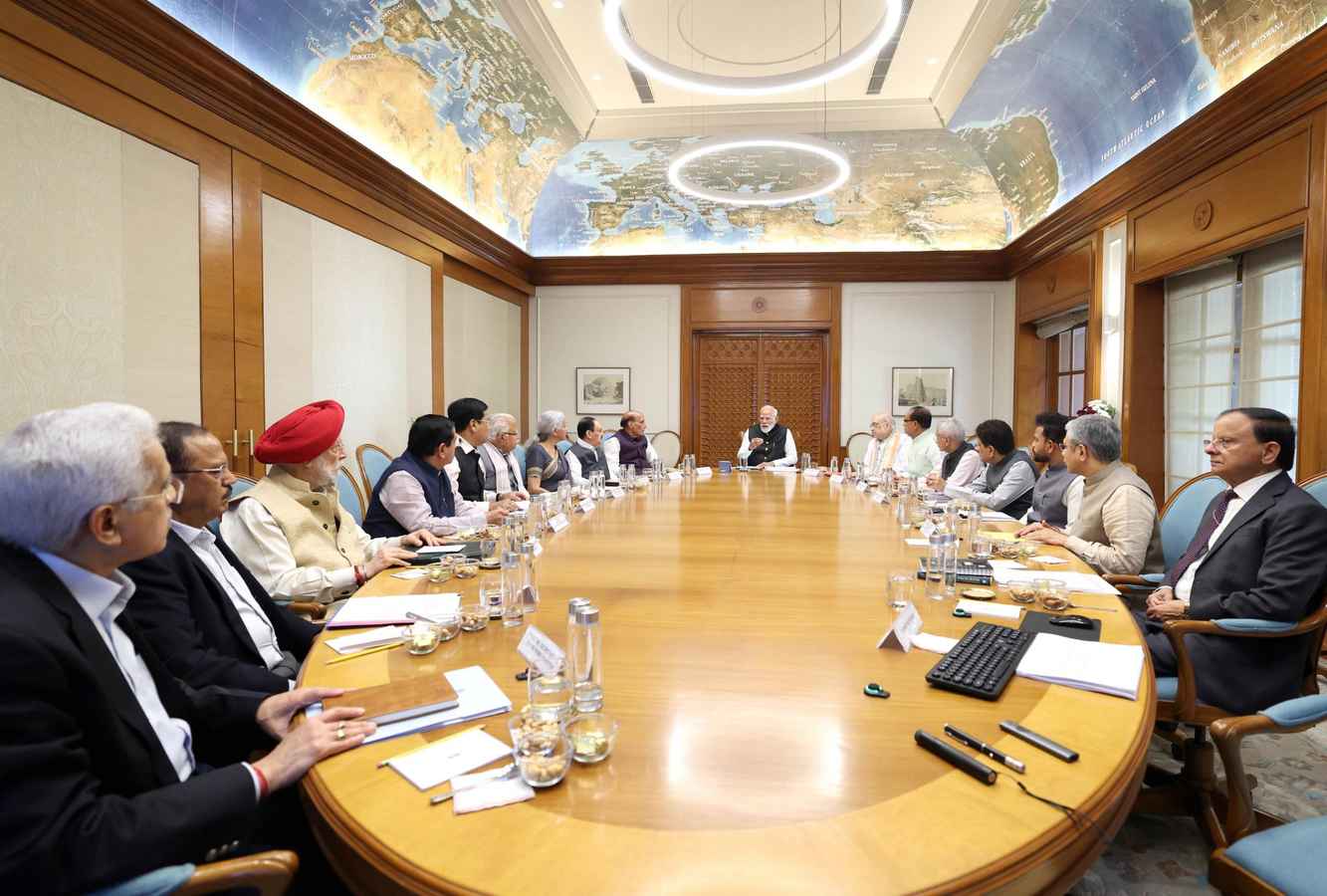
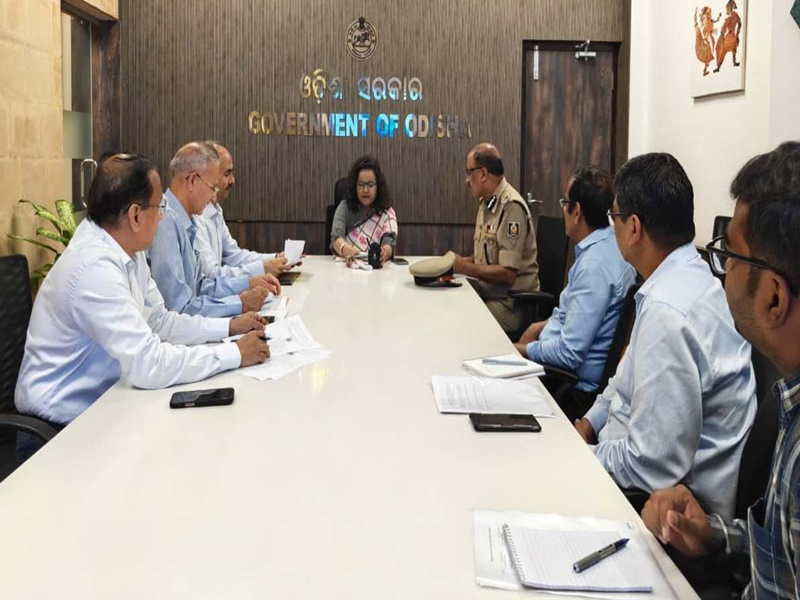
After attending a virtual meeting with Prime Minister Narendra Modi along with chief ministers and lieutenant governors to discuss the situation arising out of the West Asia conflict, Majhi said the Odisha government was following the national approach towards the crisis.
"The state government is ensuring that accurate information reaches every citizen, the availability of essential commodities remains uninterrupted, and any instances of hoarding or black marketing are strictly prevented," he said in a post on X.
The chief minister appealed to the people of Odisha to remain aware of the evolving situation, exercise patience, and avoid unnecessary purchasing so that the system functions smoothly.
He said the meeting focused on the "Team India" spirit to overcome the challenges ahead, emphasizing economic stability, proactive agricultural planning, and focused attention on border and coastal states for shipping and essential supplies.
Chairing the meeting on Friday night, Prime Minister Modi said the global situation arising out of the West Asia conflict remains dynamic, and asserted that maintaining economic and trade stability, ensuring energy security, strengthening industry and supply chains, and safeguarding citizens' interests remain the government's top priorities.
This was the first time that the prime minister held a meeting with the chief ministers on the West Asia conflict that started on February 28 with attacks by the US-Israel combine on Iran, prompting retaliatory action by Tehran on its Gulf neighbours and Israel.