Islamabad, March 5 Pakistan is considering various measures, including weekly revisions to petroleum prices, compensating oil companies, and mandatory work-from-home arrangements, to "maintain market liquidity" amid disruptions in trade following the closure of the Strait of Hormuz, a media report said on Thursday.
A summary is being submitted to the Federal Cabinet's Economic Coordination Committee (ECC) for immediate action, as petroleum prices appeared to be surging, the Dawn newspaper reported, citing sources.
However, even before the ECC makes these decisions, the state-owned Pakistan State Oil (PSO), after government approval, has launched two import tenders each for petrol and diesel outside the Strait of Hormuz as a precaution.
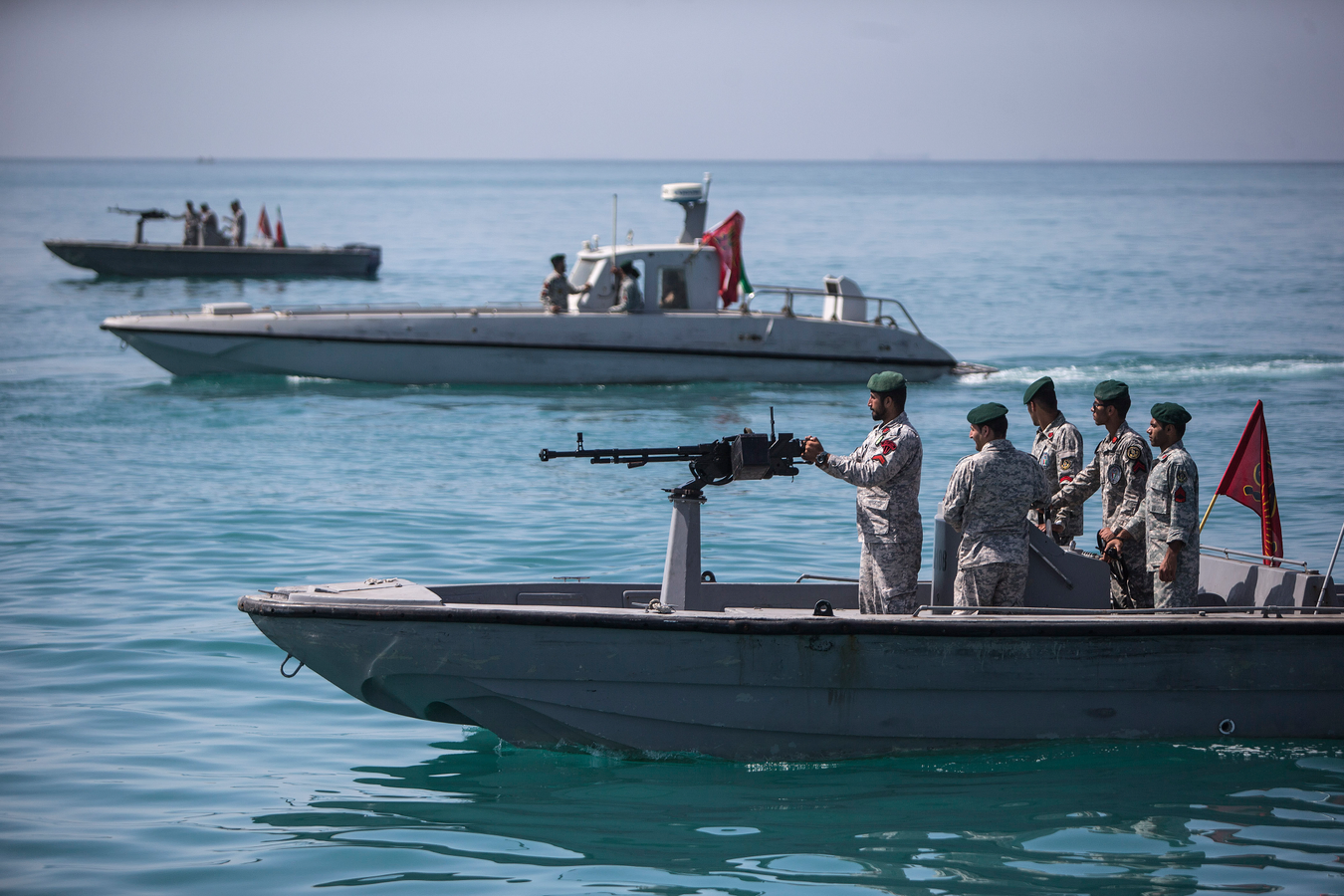
The Strait of Hormuz, a narrow waterway, connects the Persian Gulf to the Gulf of Oman, through which about a fifth of the world's oil passes.
The Strait was effectively closed following several attacks on ships by Iran in retaliation for joint US and Israeli strikes.
Both petrol and diesel have over 500,000 tonnes of stocks, enough for 26 and 25 days' cover, the Dawn reported.
Meanwhile, Saudi Arabia has already been requested to provide oil supplies through an alternative Red Sea route, it said.
According to officials, the government had directed all provincial chief secretaries to attend the meeting of the newly-formed 18-member cabinet committee to monitor petroleum prices scheduled for Thursday.
The meeting will consider mandatory work-from-home arrangements for both the public and private sectors. The meeting could also consider other measures in coordination with the provinces.
While petrol imports remain within safe levels, diesel imports are not; Pakistan relies heavily on long-term supplies from Kuwait, and all these cargoes have to pass through the Strait of Hormuz.
Furthermore, more than 20 per cent of global oil cargoes are reportedly stuck inside the Strait, creating a shortage of ships for diesel.
The officials further said that insurance costs for oil companies have surged from around USD 30,000 to USD 400,000 per ship, in addition to import premiums for petroleum products.
The current price is around USD 3-5 per barrel, the price at which PSO booked cargoes in February, but this is no longer the case as new orders are being placed.
As a result, freight costs have also surged, as the ship rate has gone beyond USD 4 million, which was available for no more than USD 900,000 before the crisis, the report said.
The combination of these three factors is exponential and could not be expected of the oil marketing companies (OMCs) and refineries to absorb.
Therefore, a summary to the ECC would provide a mechanism for payment of these additional exigencies to keep OMCs afloat, and in return, maintain their supply chain down to the retail stage.
The fortnightly price revision is also being shifted to a weekly basis immediately to avoid a fiscal burden on OMCs and the government by recovering the true costs of fuel supplies from consumers on a continuous basis and ensuring smooth supplies as well.
One official said that the price gap has risen to PKR 45-50 for diesel and around PKR 25-26 for petrol in the first week of the crisis and could grow over the next 15 days, and hence needed to be nipped in the bud.
Notwithstanding the concerns from dealers over limited supplies, the Oil and Gas Regulatory Authority (OGRA) and OMCs have jointly decided to provide petrol and diesel supplies to dealers and retailers based on their respective 8-month track record and have stopped unlimited supplies to avoid supply disruptions.
"Nevertheless, there was no shortage of petrol or diesel anywhere in the country," a senior government official said.
In response to dealers' complaints that OMCs were not honouring product orders, OGRA said that to ensure the uninterrupted availability of petroleum products and to discourage hoarding during periods of extreme price volatility, the companies may temporarily regulate supplies to retail outlets based on their historical sales patterns.
"This measure is a standard supply management practice aimed at maintaining stability in the distribution system," the authority said.
It reassured the public that the country currently had adequate stocks of petrol and diesel, well within the required limits.
"There is no shortage of petroleum products. Citizens are advised not to pay attention to rumours and to rely only on information issued through official channels," it said.