New Delhi, February 27 The Supreme Court's ban on the Class 8 NCERT textbook containing a chapter on judicial corruption has protected the judiciary's dignity from unwarranted attacks in young minds, CPI(M) leader John Brittas said on Friday, arguing that "prejudice against shared history through selective omissions" deserves equal scrutiny.
In a post on X, Brittas said there is a long list of "deletions, omissions, and commissions" by NCERT in recent years that have "distorted India's history and evolution". He mentioned the removal of chapters on Mughal rulers, the Delhi Sultanate, and medieval Islamic history, saying it has "erased centuries of our composite past".
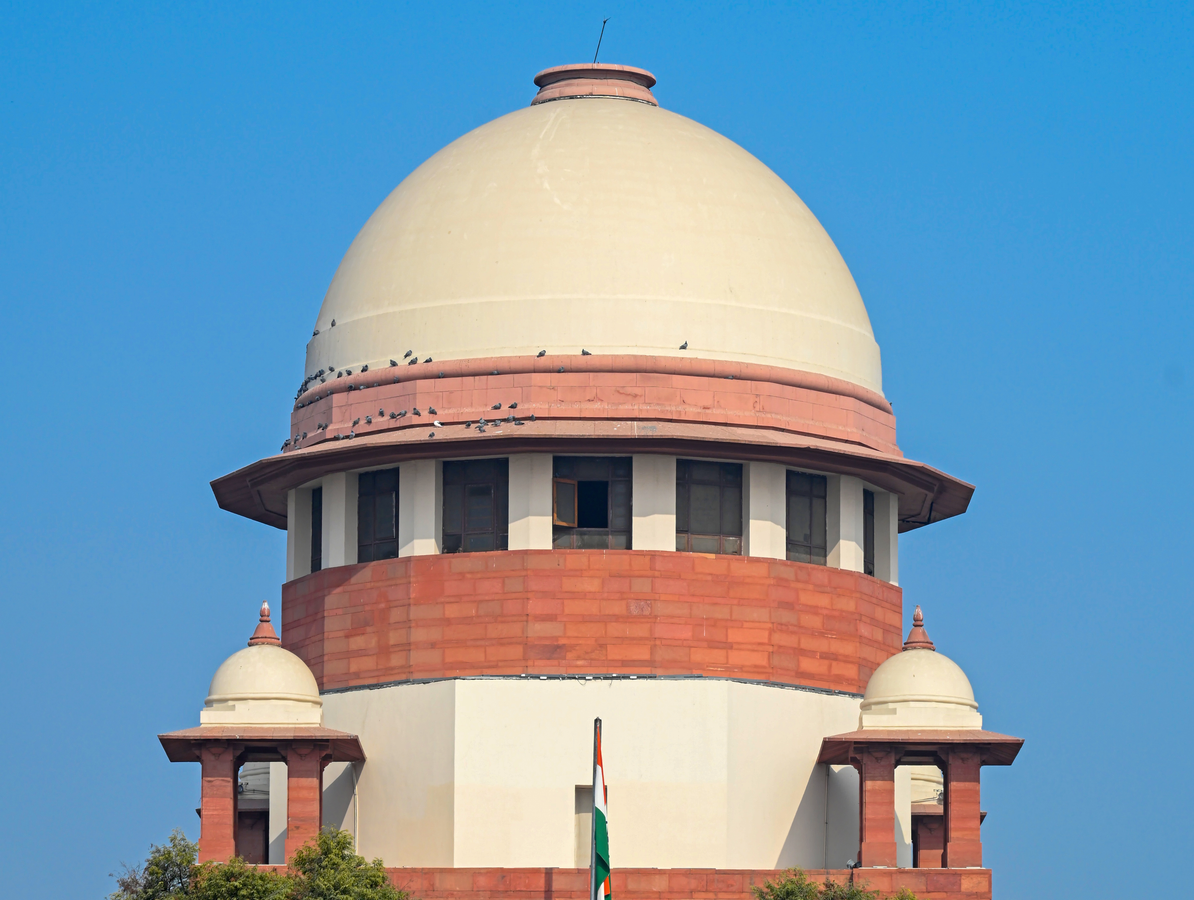
The Supreme Court on Thursday imposed a "complete ban" on any further publication, reprint, or digital dissemination of NCERT's Class 8 social science book, as it contains "offensive" content on corruption within the judiciary, saying that this has "fired a gunshot, and the judiciary is 'bleeding'".
Observing that there appeared to be a "deep-rooted conspiracy" and a "calculated move" to undermine the institution and demean the dignity of the judiciary, the apex court directed that all copies of the book – both physical and digital – currently in circulation be immediately seized and removed from public access without delay.
Commending the top court's order, Brittas said, "The Supreme Court's strong stand (ban) against NCERT's inclusion of 'corruption in the judiciary' in the Class 8 textbook is appreciated by all. It protects the dignity of our judiciary from unwarranted attacks in young minds."
"At the same time, we must remind the SC of the long list of deletions, omissions, and commissions by NCERT in recent years that have distorted India's history and evolution," he said.
Brittas listed the NCERT's dropping of references to the 2002 Gujarat riots, the Babri Masjid demolition, and related communal events, omissions linked to Mahatma Gandhi's assassination, Nathuram Godse's ideological background, and the ban on the RSS, and selective changes portraying certain historical figures like Akbar, Aurangzeb, and Tipu Sultan in a "biased way while skipping balanced narratives".
Referring to the deletion of content on evolution theory, periodic table elements, and social movements that foster critical thinking, the CPI(M) leader said, "These are actually ideological rewriting, creating prejudice and undermining the true evolution of our diverse nation."
"Consistency is key. If prejudice against our shared history through selective omissions warrants swift action, then so too should prejudice against the judiciary," he said.
While the Supreme Court imposed the ban, the government expressed anguish over the inclusion of the controversial section in the book, with Union Education Minister Dharmendra Pradhan promising to fix accountability and take action against those involved in drafting it.