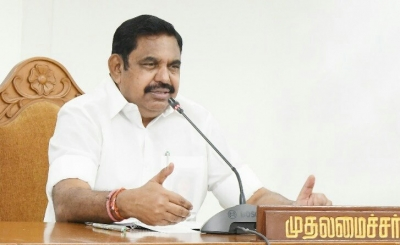
Chennai, February 19 – A heated exchange marked the discussion on the interim and agriculture budgets in the Tamil Nadu Assembly, following questions from the Leader of the Opposition, Edappadi K. Palaniswami (EPS), about the timing of the Rs 2,000 summer assistance for women beneficiaries.
During the debate, EPS alleged that the ruling government had credited the amount overnight due to the "pressure of the 2026 elections."
He claimed that people were questioning whether the move was due to electoral anxiety rather than genuine concern. "Summer comes every year. You provided Rs 2,000, citing the approaching summer, and credited it in a single night. People say this reflects fear of the elections," he said.
He clarified that no one opposed the women's rights scheme itself, but asked why the amount was advanced in this way if it was not election-driven.
Responding to the criticism, Social Welfare Minister Geetha Jeevan defended the government's decision. She said the financial assistance was intended to help women meet rising expenses during the peak summer months, including healthcare costs and other burdens. "The support was provided to ease that strain," she explained.
The Minister also accused the Opposition of selectively targeting welfare measures. She pointed out that schemes introduced during the tenure of former Chief Minister M. Karunanidhi, including the free television distribution programme, faced criticism at the time but later gained wide acceptance.
She also noted that a BJP member had challenged the women's rights legislation in the Supreme Court, suggesting that attempts to undermine welfare initiatives had "failed." In a recent announcement, Geetha Jeevan stated that summer financial assistance would henceforth be provided annually as a special seasonal allowance for women.
The statement positioned the benefit as a recurring welfare measure rather than a one-time pre-election initiative.
The exchange underscores the intensifying political atmosphere ahead of the 2026 Assembly elections, with welfare schemes emerging as a central point of contention between the ruling party and the Opposition.