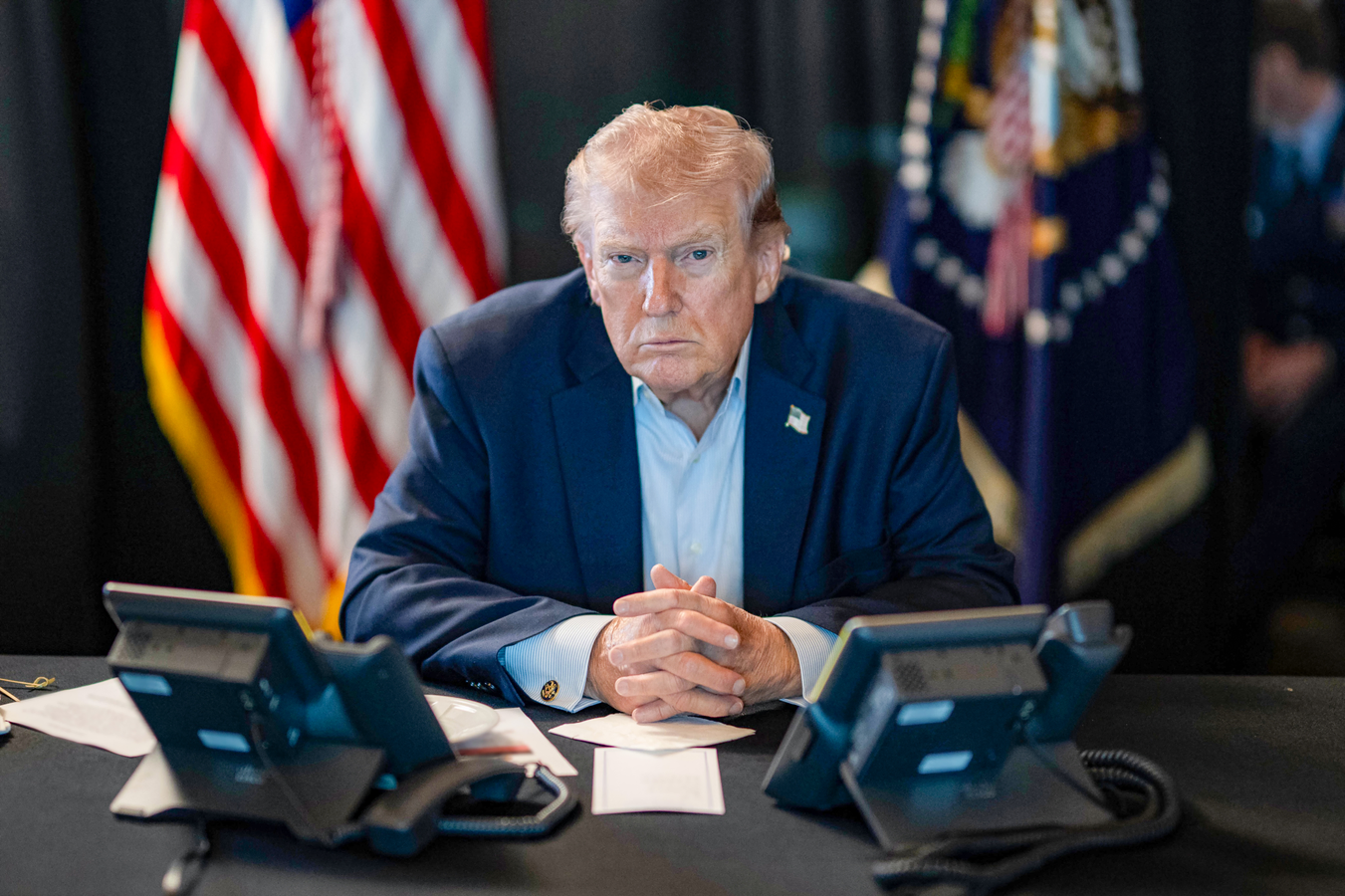
Washington, March 31 US President Donald Trump on Tuesday lashed out at key Western allies — France and the United Kingdom — accusing them of failing to support Washington’s actions against Iran and warning that the United States “won’t be there to help” them in future crises.
In a series of social media posts, Trump criticised France for blocking US military logistics tied to Israel and took aim at the United Kingdom over its stance on the Iran conflict.
“The country of France wouldn’t allow planes headed to Israel, loaded with military supplies, to fly over French territory,” Trump wrote. “France has been VERY UNHELPFUL with respect to the ‘Butcher of Iran,’ who has been successfully eliminated! The U.S.A. will REMEMBER!!!”
The remarks mark a sharp escalation in rhetoric towards long-standing NATO allies, as Washington signals frustration over what it sees as limited European support in its Iran operations.
Trump also issued a blunt message to countries affected by disruptions in energy supplies linked to tensions in the Strait of Hormuz, a critical global oil transit route.
“All of those countries that can’t get jet fuel because of the Strait of Hormuz, like the United Kingdom, which refused to get involved in the decapitation of Iran, I have a suggestion for you,” he wrote.
“Number 1, buy from the U.S., we have plenty, and Number 2, build up some delayed courage, go to the Strait, and just TAKE IT.”
He added that US support should no longer be assumed by allies unwilling to participate in military actions.
“You’ll have to start learning how to fight for yourself, the U.S.A. won’t be there to help you anymore, just like you weren’t there for us,” Trump said.
The President claimed that Iran had already been significantly weakened by US actions.
“Iran has been, essentially, decimated. The hard part is done. Go get your own oil!” he wrote.
The comments suggest a widening gap between Washington and its European partners over both military strategy and burden-sharing in the Middle East.
France and the United Kingdom have traditionally been key US allies in NATO and have coordinated closely on security matters, including in the Gulf region.
In recent years, disagreements between Washington and European capitals over Iran policy — including sanctions, diplomacy and military action — have tested transatlantic unity, even as both sides continue to share broader security interests in the region.