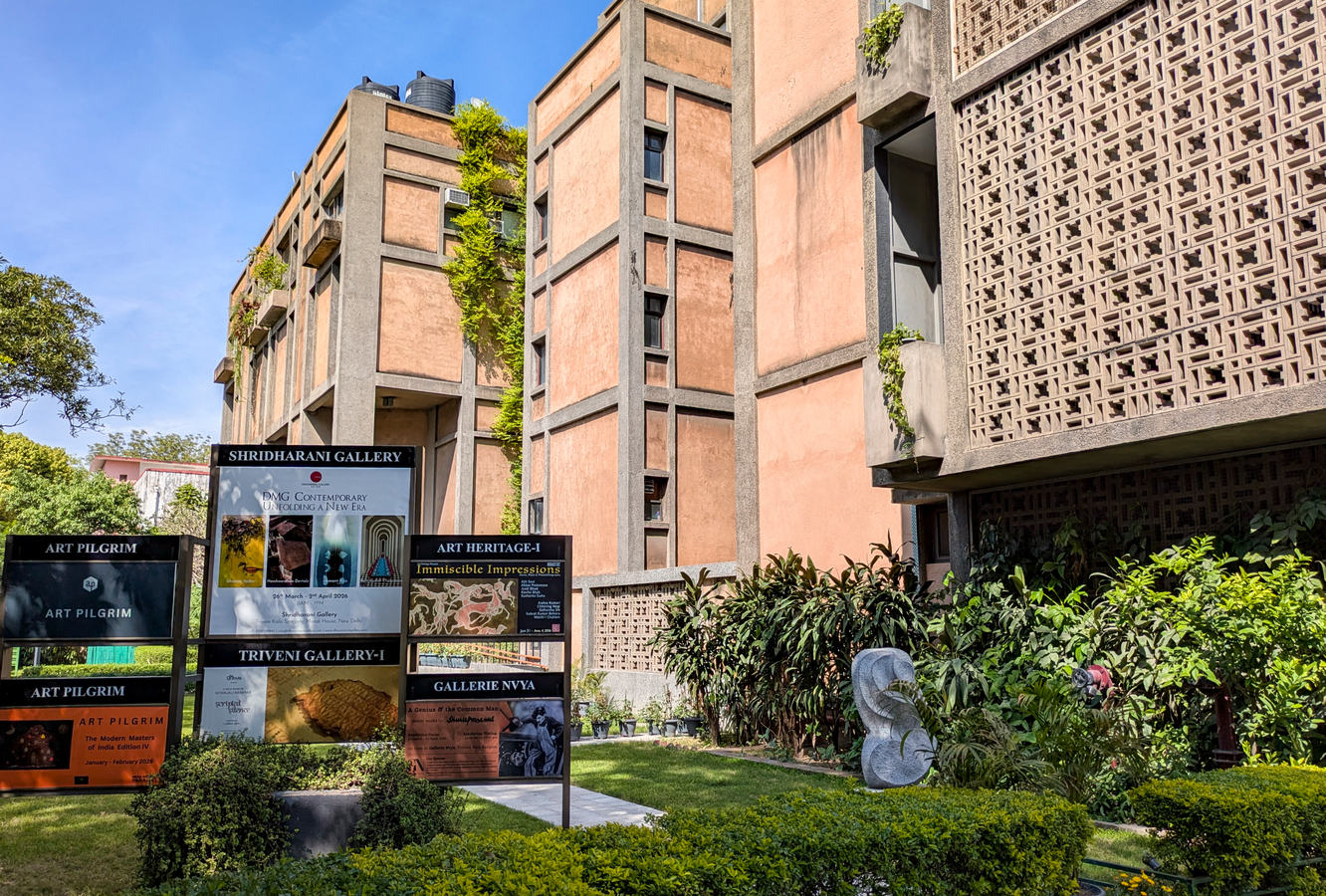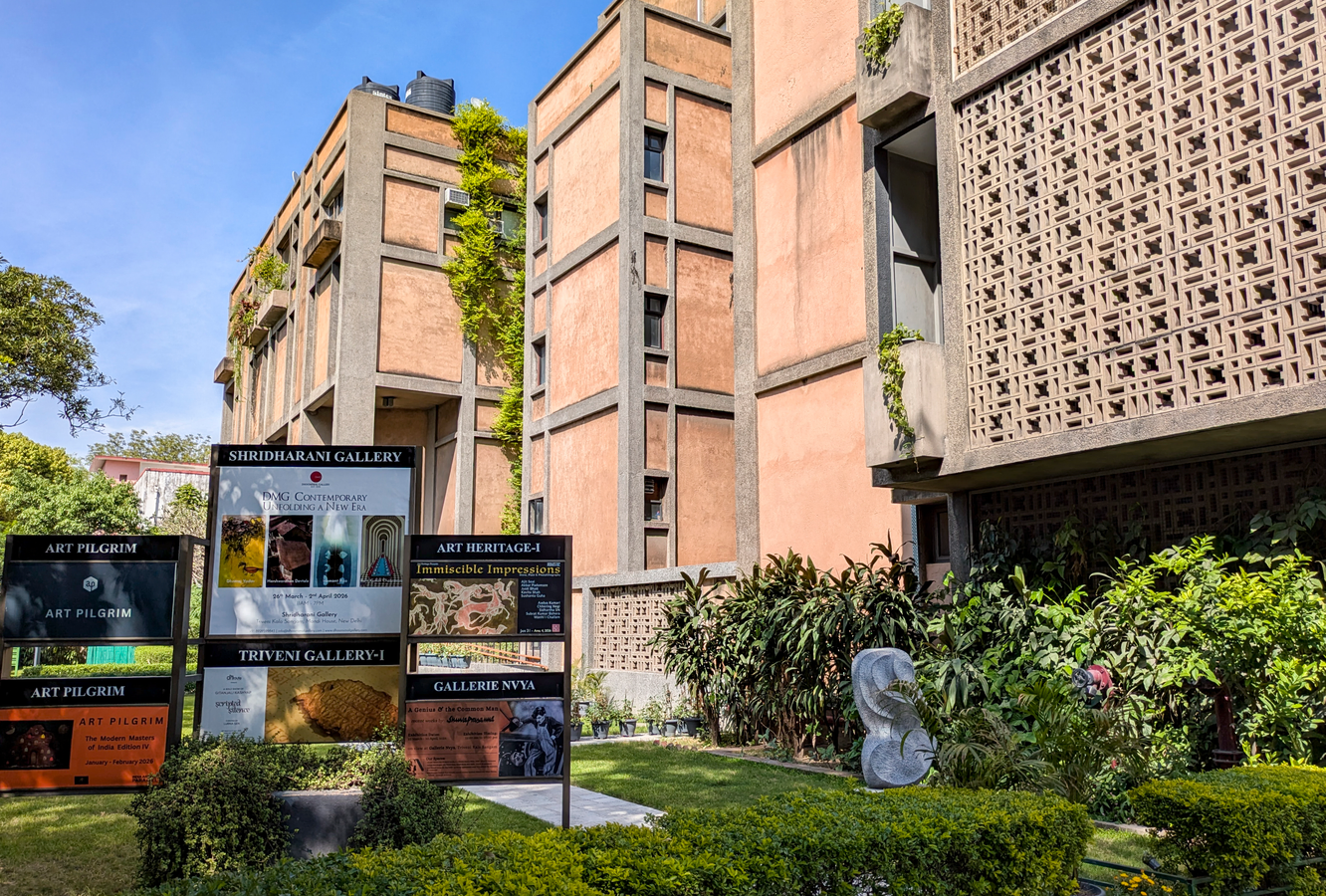
New Delhi, April 4 Sundari Shridharani, a Bharatnatyam dancer, had a single condition when she commissioned legendary architect Joseph Allen Stein to create her vision of "India's most beautiful art centre" in Delhi – sunlight should filter through.
This was during the early years of independent India. As India developed, so did the Triveni Kala Sangam. This multidisciplinary center, celebrating its 75th year, is a place of architectural, aesthetic, and interdisciplinary openness, where light flows freely, just as the ideas that make it Delhi's cultural center.
The Triveni Kala Sangam, named by flautist Vijay Raghav Rao, literally means "a confluence of art," and stands as a testament to Shridharani's vision. Its bright classrooms, open walkways, large galleries, green courtyards, and philosophy encourage and "force" the cross-fertilization of ideas and arts.
Prominent artists like M F Husain, Tyeb Mehta, and Krishen Khanna, performers Yamini Krishnamurty, Ravi Shankar, and Hariprasad Chaurasia, actors Om Puri, Naseeruddin Shah, and Rohini Hattangadi – are just some of the names who have been associated with the center in Mandi House.
It's more than just about famous figures. Triveni is also a place where activists from different generations come together to discuss campaigns or rehearse street plays, where friends meet over coffee, art connoisseurs visit to see exhibitions, and music lovers attend concerts.
The story began with two rooms in Connaught Place in 1950. The journey since has been marked by determination, innovation, creative freedom, and architectural inventiveness.
"My mother was a very determined woman; she wouldn't give up," said Amar Shridharani, general secretary of Triveni Kala Sangam, to