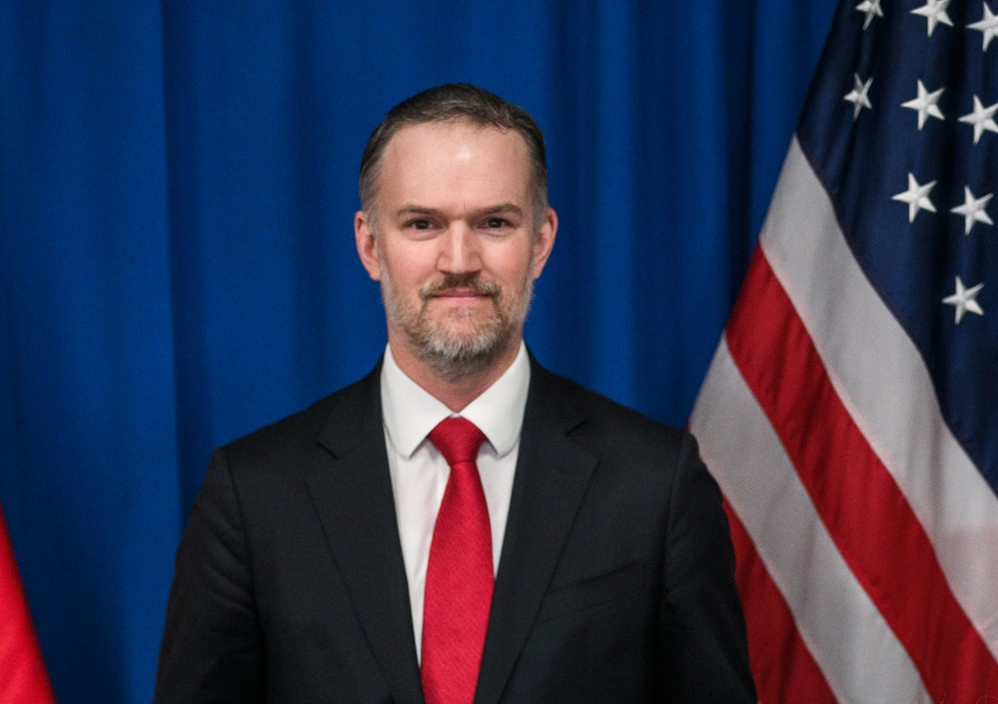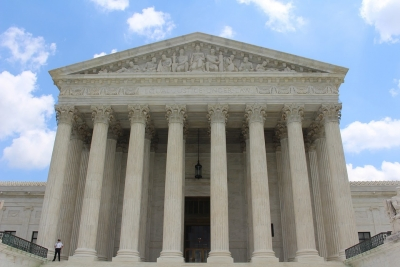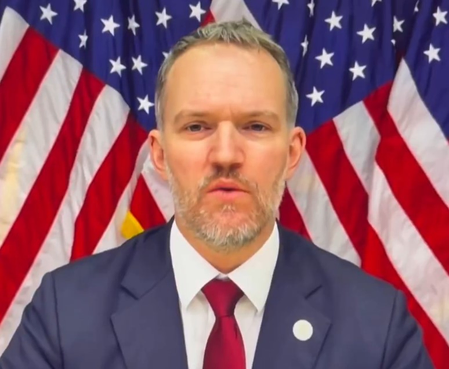
Washington, February 22 – US Trade Representative Jamieson Greer has sought to reassure the global community after the Supreme Court struck down a key element of President Donald Trump’s tariff regime, telling allies and trading partners that existing agreements remain in place and that Washington’s trade policy “hasn’t changed,” despite a shift in legal tools.
In an interview with a top US television channel on Sunday, Greer signaled that while the Trump administration is shifting from emergency powers to other statutory authorities, the core of US trade strategy will remain.
“The policy hasn’t changed; it’s just the tools that have changed,” he said, emphasizing that the White House expects continuity even as it transitions to Section 122 tariffs and prepares additional investigations under Section 301 and other provisions.
Greer confirmed that he has been in direct contact with major partners following the Supreme Court’s ruling and President Trump’s decision to impose a 15 per cent global tariff under Section 122.
“I spoke with my counterpart from the European Union this weekend,” he said.
“I also spoke with my counterparts in other countries.”
South Korea and the European Union convened emergency meetings with US government officials in Washington.
Greer said such consultations were “completely normal” but insisted that the underlying trade deals were not contingent on the outcome of the litigation.
“The deals were not predicated on whether or not the… emergency tariff litigation would succeed or fail,” he added.
“I’ve been telling them for a year that, regardless of whether we win or lose this case, we will still have tariffs. The President’s policy will continue.”
Greer stressed that no US ally had formally withdrawn from trade agreements.
“I haven’t heard anyone yet say, ‘The deal’s off,’” he said.
“They want to see how this unfolds. I’m actively discussing this with them.”
While acknowledging that the US administration no longer enjoys “the same flexibility that the International Emergency Economic Powers Act (IEEPA) gave us,” Greer added that Congress has already delegated “enormous tariff-setting authority” to the President under other statutes.
“Congress has already passed laws allowing the President to impose tariffs,” he said.
“We will continue our program. We will simply use the Congressional authorities that have already been extended.”
On the decision to raise the Section 122 global tariff from 10 per cent to the maximum 15 per cent, Greer said that the strategy itself remained intact.
“The strategy didn’t change, because the problem remains the same,” he added, citing what he described as “a huge, huge unfairness, a huge disparity, a huge imbalance between the United States and its trading partners”.
“Although Section 122 tariffs expire after five months, unless extended,” Greer said, the US administration expects investigations launched during that period to provide a bridge.
“Yes, that’s one way to put it,” he added, when asked whether new probes would “pick up where they left off”.
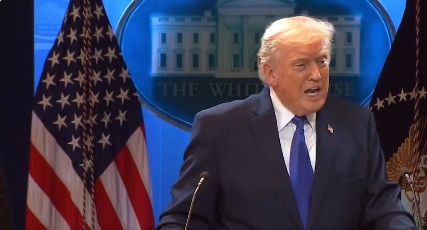
Greer defended President Trump’s remarks that foreign interests were involved in efforts to overturn the tariffs, citing foreign companies that participated in the litigation.
“It’s foreign companies that are benefiting from the tariffs being struck down,” he said.