Washington, March 7 – US President Donald Trump warned on Saturday that the United States could expand its military targets in Iran, hours after Iran’s President apologised to neighbouring countries caught in the widening Middle East conflict but rejected calls for surrender.
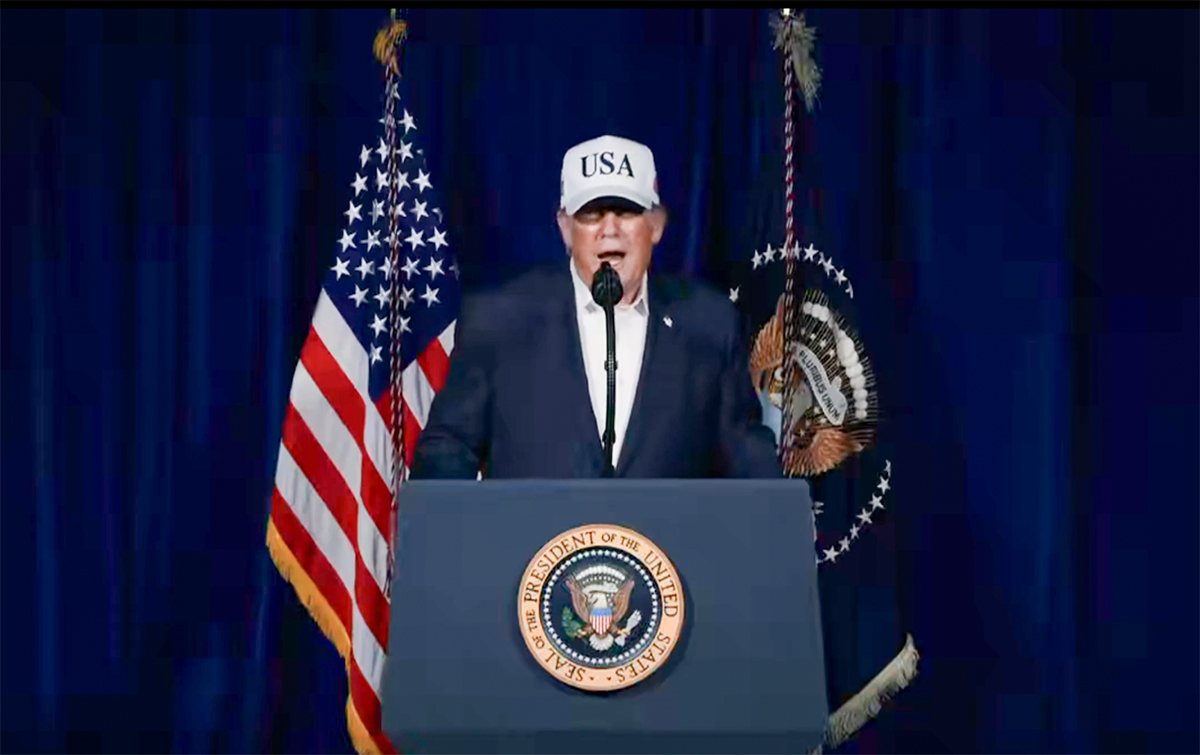
Trump issued the warning in a post on Truth Social as the war between the United States, Israel, and Iran entered its second week.
“Today, Iran will be hit very hard! Areas and groups of people that were not considered for targeting until this moment are now under serious consideration for complete destruction and certain death, because of Iran’s bad behaviour,” Trump wrote.
The US President did not provide details on what additional targets might be considered.
His remarks came after Iranian President Masoud Pezeshkian delivered a televised message in which he apologised to neighbouring Gulf countries that had been struck during the conflict.
“I should apologise to the neighbouring countries that were attacked by Iran, on my own behalf,” Pezeshkian said.
He said Iran did not intend to attack nearby countries unless it was attacked first.
“From now on, they should not attack neighbouring countries or fire missiles at them, unless we are attacked by those countries. I think we should solve this through diplomacy,” he said.
However, Pezeshkian also rejected Trump’s demand that Iran surrender unconditionally.
“The idea that we would surrender unconditionally is a dream that our enemies will take to the grave,” he said.
Iran had launched missile and drone attacks against several Gulf states after the conflict began, targeting locations in Bahrain, Saudi Arabia, the United Arab Emirates, Qatar and Oman.
Qatar’s Defence Ministry said its armed forces intercepted missiles targeting the country earlier on Saturday.
The Iranian President’s apology followed consultations between Iran’s temporary leadership council and military commanders after what officials described as confusion within the chain of command following the deaths of Supreme Leader Ayatollah Ali Khamenei and other senior leaders.
Despite Pezeshkian’s remarks, the fighting across the region showed no sign of easing.
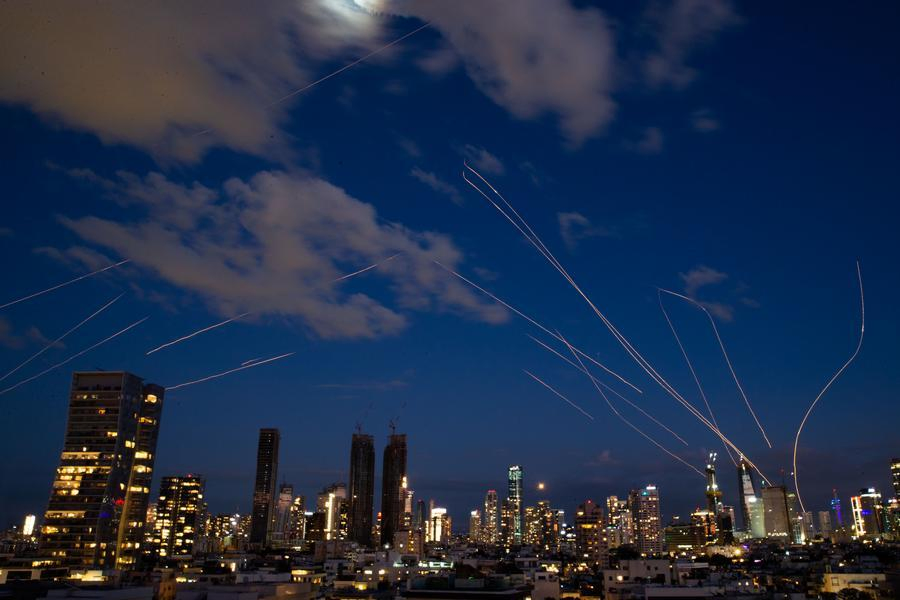
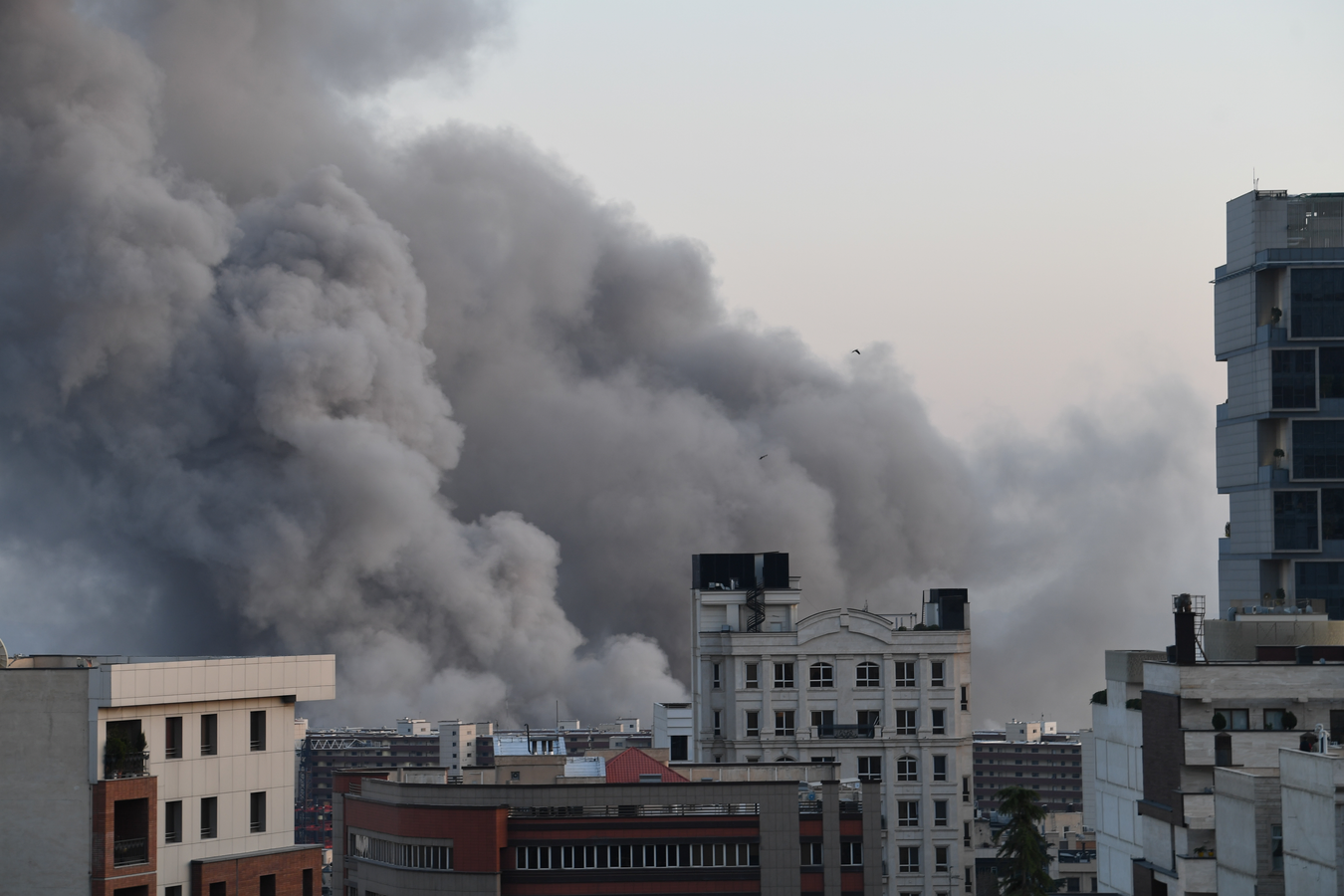
Israeli forces carried out what the military described as a “broad-scale wave of strikes” overnight across Tehran and other parts of central Iran. Iranian media reported explosions near Tehran’s Mehrabad airport.
Israel also intensified operations in Lebanon, targeting areas linked to the Iran-backed Hezbollah movement.
The conflict has rapidly spread across several countries in the Middle East, disrupting regional transport and energy markets.
Dubai International Airport briefly suspended operations earlier as missile and drone interceptions were reported across the Gulf.
Trump is also expected later on Saturday to travel to Dover Air Force Base in Delaware to attend a dignified transfer ceremony for six US service members killed in the conflict.
The troops died in an Iranian drone attack on a tactical operations centre in Kuwait.
The war began after joint US-Israeli strikes targeted Iranian military facilities and leadership. Iran responded with missile and drone attacks against Israel, US interests and several Gulf states hosting American military bases.
The widening conflict has raised fears of a broader regional war and drawn in multiple actors across the Middle East, including Hezbollah in Lebanon and allied militia groups operating across the region.