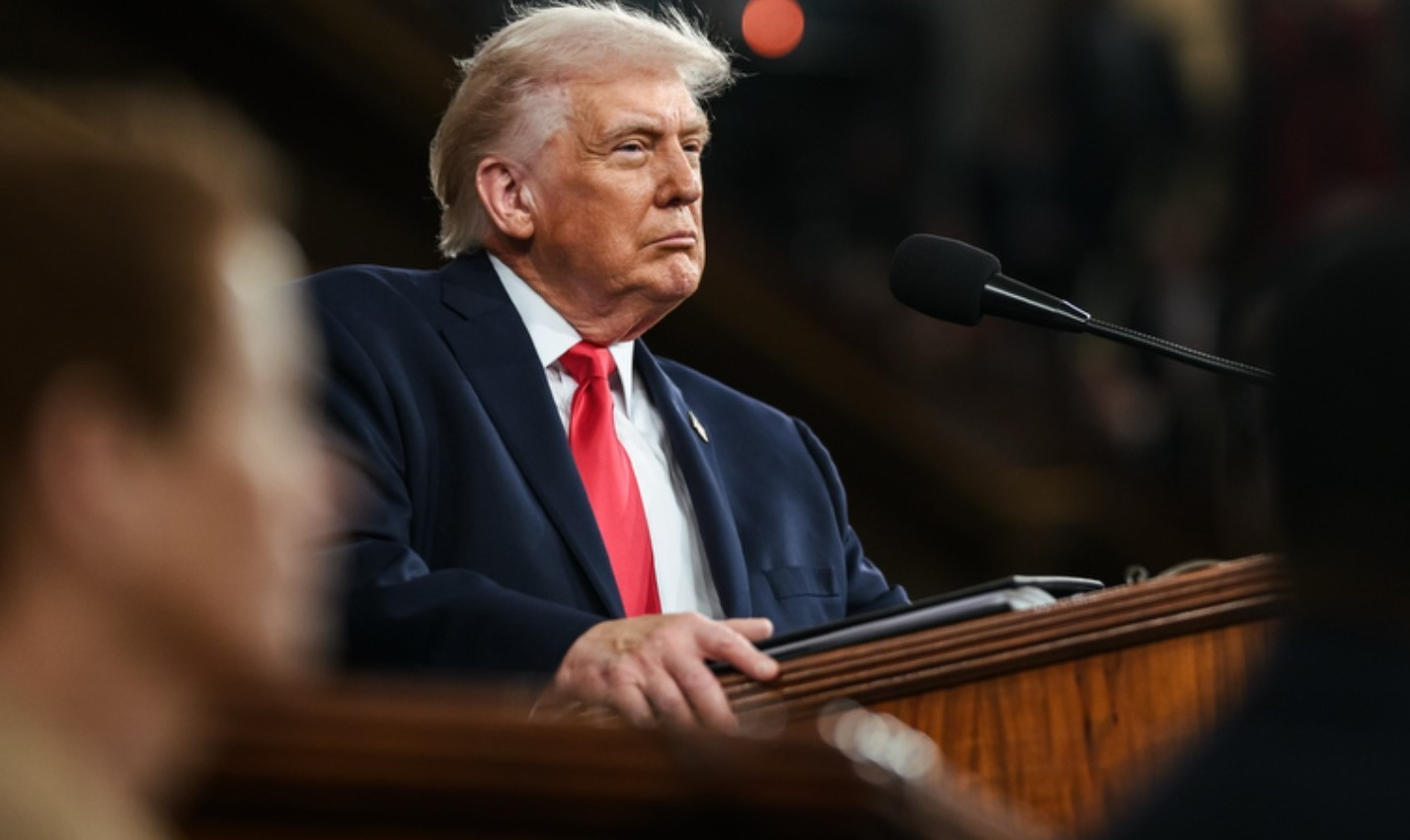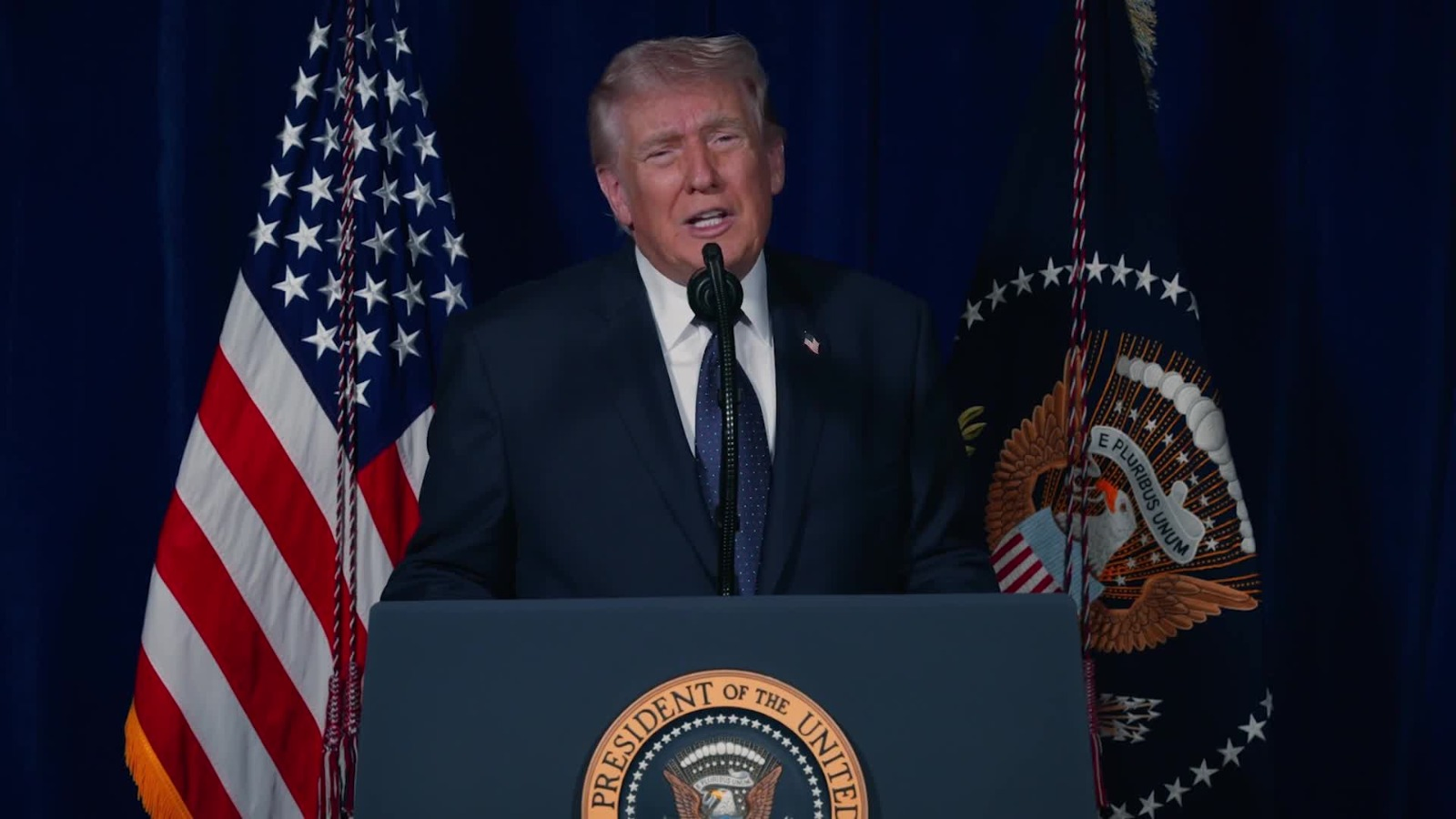
Washington, March 27 – Donald Trump on Friday highlighted a sharp increase in U.S. agricultural exports, citing a surge in soybean shipments to China and expanded global market access as part of his administration’s trade strategy.
Speaking at a White House event attended by farmers, Trump said that American agricultural exports had strengthened under new trade arrangements, with China emerging as a key buyer.
“Thanks to our trade deals, you are now sending over $40 billion in American soybeans to China,” he said, adding that shipments were taking place “at record levels.”
Trump attributed the increase to direct engagement with Chinese leadership. “I said, could you make it 40 instead of 20? And he overrode all of his people,” Trump said, referring to Chinese President Xi Jinping.
Beyond China, Trump said that U.S. agricultural products were gaining wider access across multiple regions. “We have expanded markets for American beef and dairy products, biofuels across Asia, Europe, and South America, which we have never had before,” he said.
He framed these developments as part of a broader shift in trade policy benefiting American farmers. “The farmers come to my office a lot, and they just say, please, just give us a level playing field,” Trump said, adding that his administration had delivered “much better than a level playing field.”
The President also pointed to domestic economic indicators to support his claims. “In my first year back in the White House, farm income has soared by 20 per cent,” he said, attributing the rise to trade gains and policy changes.
Trump contrasted his approach with that of the previous administration, saying, “Not one trade deal was negotiated on your behalf during the Biden administration.” He added that farmers had been “treated really badly” during that period.
These remarks came as Trump reiterated his support for additional farm relief and urged Congress to pass a new farm bill. He said his administration had already provided “$12 billion in farm relief” to offset losses from unfair trade practices.
Farmers attending the event echoed support for trade and policy initiatives. Joel Viereck, a vegetable farmer from New Jersey, said, “We appreciate the bridge payments, your policy on trade, everything. It's going to help strengthen what we do.”
Trump also linked trade policy with domestic cost reductions, saying increased exports and production were helping lower food prices. “The cost of cheese, butter, potatoes, and fruit… is lower today than when I took office,” he said.
The United States and China remain among the world’s largest agricultural trading partners, with soybeans a central component of bilateral trade.
Shifts in U.S. export volumes can influence global prices and supply chains, with implications for major producers including India.