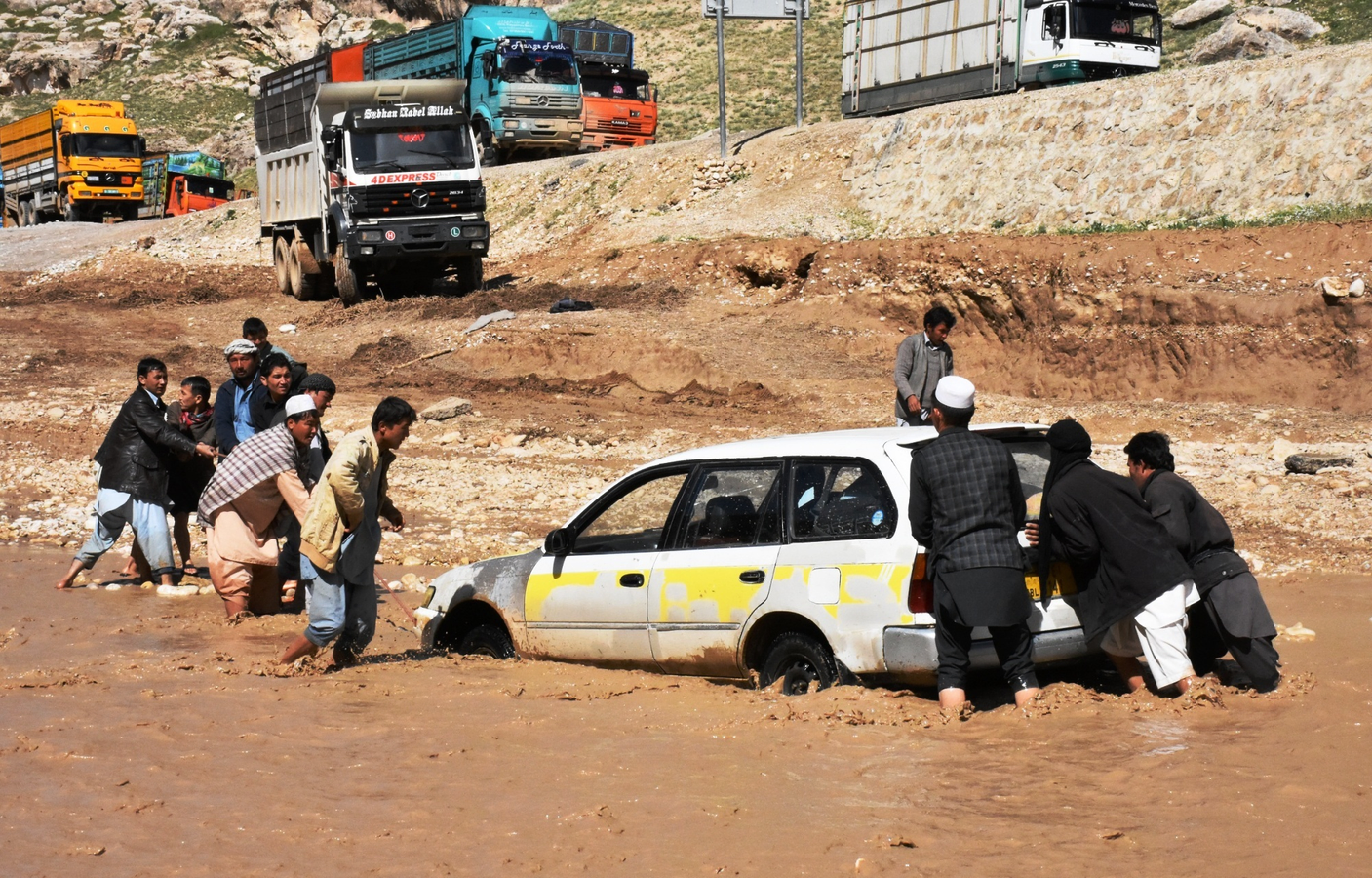
Kabul, April 5 – According to the United Nations Human Settlements Programme, more than 31,000 people were affected by flash floods in Afghanistan in 2025, as reported by local media on Sunday.
In a statement, the United Nations Human Settlements Programme emphasized the need for disaster-resilient infrastructure.
The agency said it was working in cooperation with the Special Trust Fund for Afghanistan to help people better cope with future shocks, Khaama Press, Afghanistan's leading news agency, reported.
This statement comes as 77 people have been killed and 137 others injured in floods that swept across several provinces of Afghanistan between March 26 and April 4.
Afghanistan's National Disaster Preparedness and Disaster Management Authority said that the floods have caused widespread destruction, leaving hundreds of homes destroyed and damaging thousands of acres of agricultural land, Khaama Press reported.
According to authorities, four people are still missing, and more than 3,400 houses have been damaged in several parts of Afghanistan, demonstrating the scale of destruction caused by heavy rains.
Officials said that roads were blocked and transport links were disrupted in several provinces of Afghanistan, which impacted rescue efforts and restricted access to affected people in remote regions.
Earlier, Taliban Spokesperson Zabihullah Mujahid said that more than 3,000 'jeribs' (a traditional unit of land measurement) of farmland were destroyed, and more than 1,000 livestock were killed due to the severe weather conditions.
The latest flooding in Afghanistan follows a similar pattern witnessed in the past several rainy seasons when heavy rainfall repeatedly caused devastation across the country. Hundreds of people were killed, and houses and farmlands were devastated in similar floods in 2024.
On January 22, a spokesperson for the National Disaster Management Authority said that at least 11 people have been killed and three others injured amid heavy snowfall and rains lashing multiple provinces.
According to the Taliban Spokesperson, initial reports from provincial authorities indicated that severe weather had affected residents in the provinces of eastern Parwan, Wardak, southern Kandahar, northern Jawzjan, Faryab, and central Bamiyan, Xinhua news agency reported.
The storms had partially destroyed nine homes and led to the loss of 530 livestock, severely affecting local livelihoods in these agrarian regions, the Spokesperson said, adding that the snow accumulation had blocked key roads, prompting urgent clearance operations by authorities to restore connectivity and facilitate aid delivery.