Colombo, March 19 – Sri Lanka records between 8,500 and 9,500 cases of tuberculosis (TB) each year, a senior official at the National Programme for Tuberculosis Control and Chest Diseases (NPTCCD) said on Thursday.
The country detected 8,726 TB patients in 2025. About 75 per cent of the patients had pulmonary TB, while around 5,500 carried infectious bacteria that could transmit the disease to others, Mizaya Cader, consultant community physician at the NPTCCD, told journalists.
She said nearly 45 per cent of the country's TB cases are reported from the Western Province. TB cases are concentrated in several densely populated areas in the Colombo district, including Modara, Mattakkuliya, Borella, Wanathamulla and Grandpass.
Cader added that health authorities expect a slight decline of about 500 cases next year, Xinhua news agency reported.
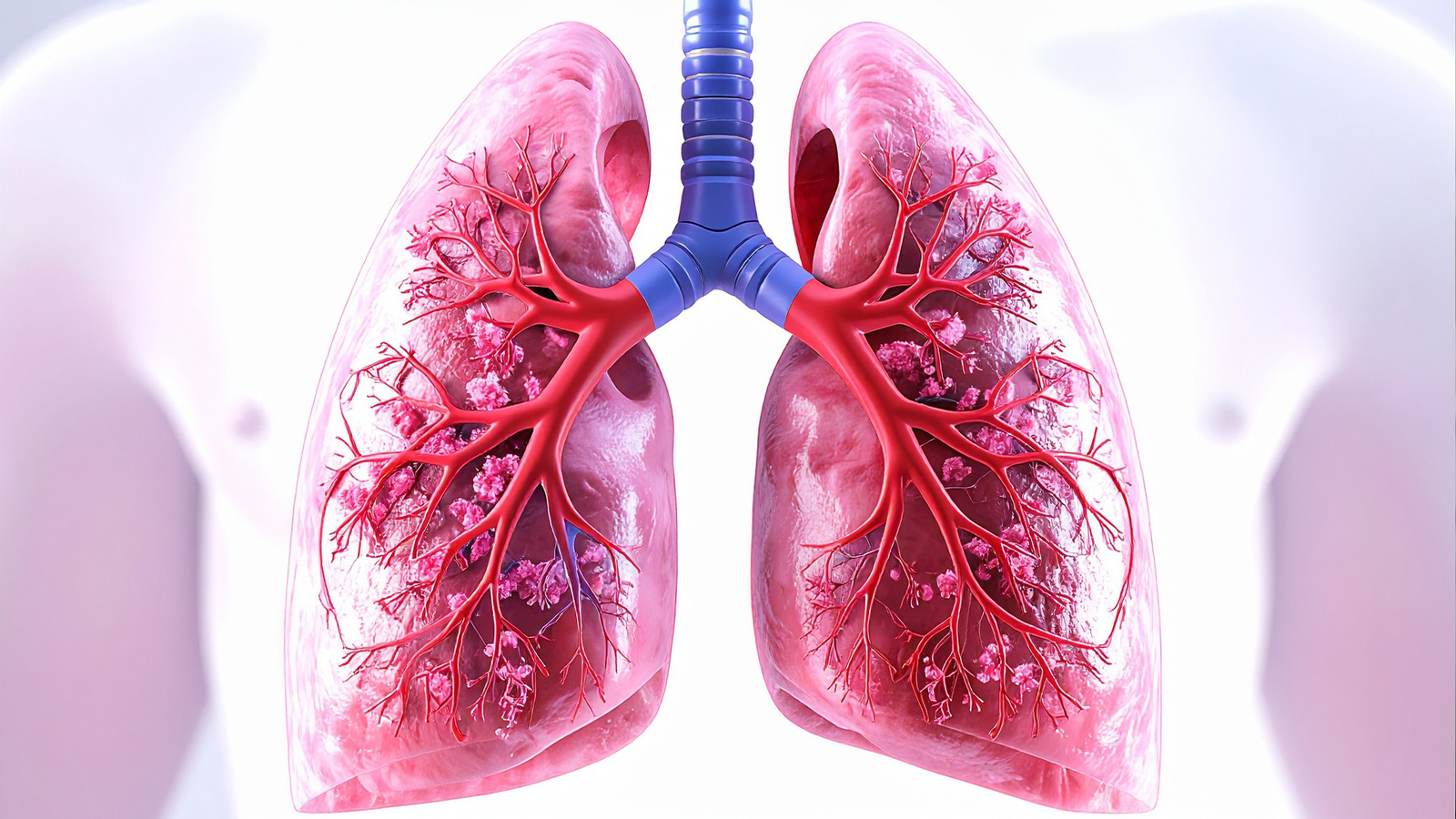
TB is an infectious disease caused by bacteria that most often affects the lungs. It spreads through the air when people with TB cough, sneeze or spit.
Tuberculosis is preventable and curable.
About a quarter of the global population is estimated to have been infected with TB bacteria. In general, people with TB infection don’t feel sick and are not contagious. About 5–10 per cent of people infected with TB will eventually get symptoms and develop TB disease. Babies and children are at higher risk of developing the disease if they are infected.
TB disease is usually treated with antibiotics and can be fatal without treatment.
In certain countries, the Bacille Calmette-Guérin (BCG) vaccine is given to babies or small children to prevent TB. The vaccine prevents deaths from TB and protects children from serious forms of TB.
In general, people with TB infection don’t feel sick and are not contagious. Only a small proportion of people who get infected with TB will get TB disease and develop symptoms. Babies and children are at higher risk of developing the disease if they are infected.