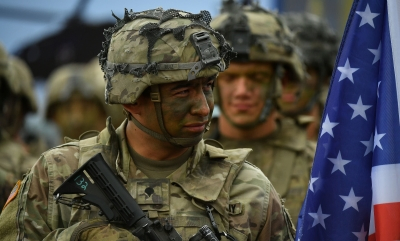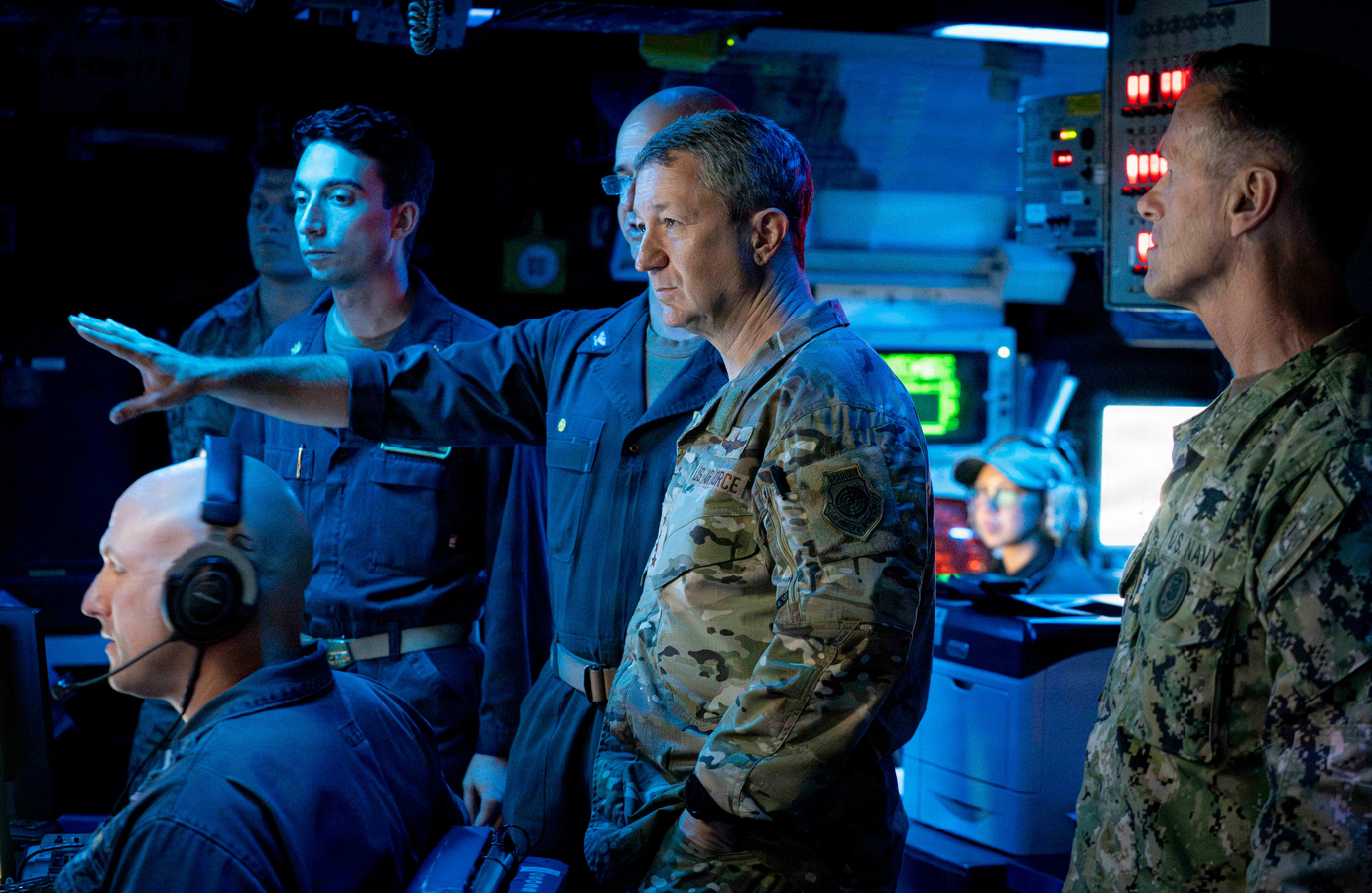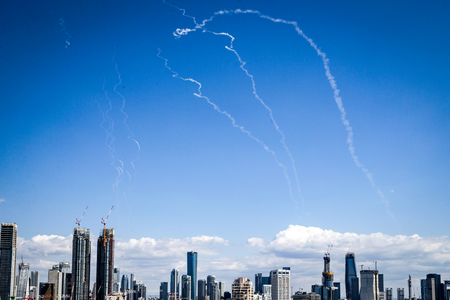
Washington, March 3, The United States has struck “over 1,700” targets across Iran in the first 72 hours of Operation Epic Fury, unleashing bombers, fighter jets, and missile systems in one of the largest direct military actions in recent years, as the White House declared “America will win” and that “the terrorist Iranian regime will be defeated.”
The operation began at “1:15 am, February 28, 2026,” according to a Pentagon fact sheet titled Operation Epic Fury — First 72 Hours. It said U.S. Central Command “commenced Operation Epic Fury at the direction of the President of the United States” and is striking targets “to dismantle the Iranian regime’s security apparatus, prioritizing locations that pose an imminent threat.”
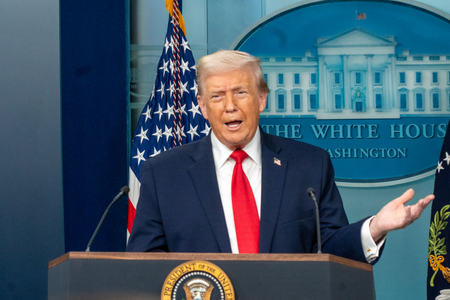
The White House, separately, listed four objectives. It said the mission is to “Destroy the Iranian regime's missiles,” “Annihilate their Navy,” “Ensure their terrorist proxies can no longer destabilise the world,” and “Ensure Iran can NEVER obtain a nuclear weapon.” It added: “America will win. The terrorist Iranian regime will be defeated.”
CENTCOM said the Iranian regime is “using mobile launchers to indiscriminately fire missiles in an attempt to inflict maximum harm across the region.” It added: “U.S. forces are hunting these threats down and without apology or hesitation, we are taking them out.”
The Pentagon document listed “Target Location: Iran” and “Targets Struck: Over 1,700.” It said the operation is taking place within the CENTCOM Area of Responsibility.
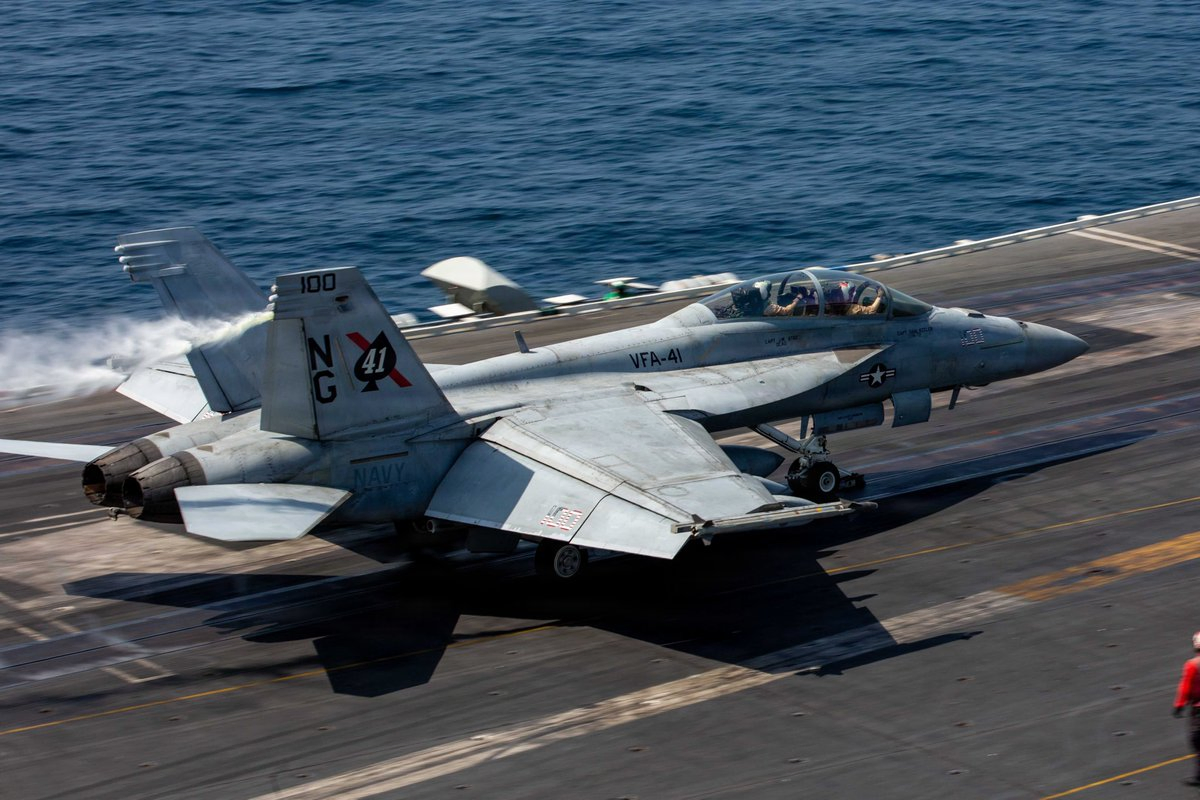
The assets deployed reflect the scale of the campaign. They include B-1, B-2, and B-52 bombers. Fighter aircraft include F-15, F-16, F-18, F-22 and F-35 jets. The U.S. also used A-10 attack jets, EA-18G electronic attack aircraft, and airborne early warning systems.
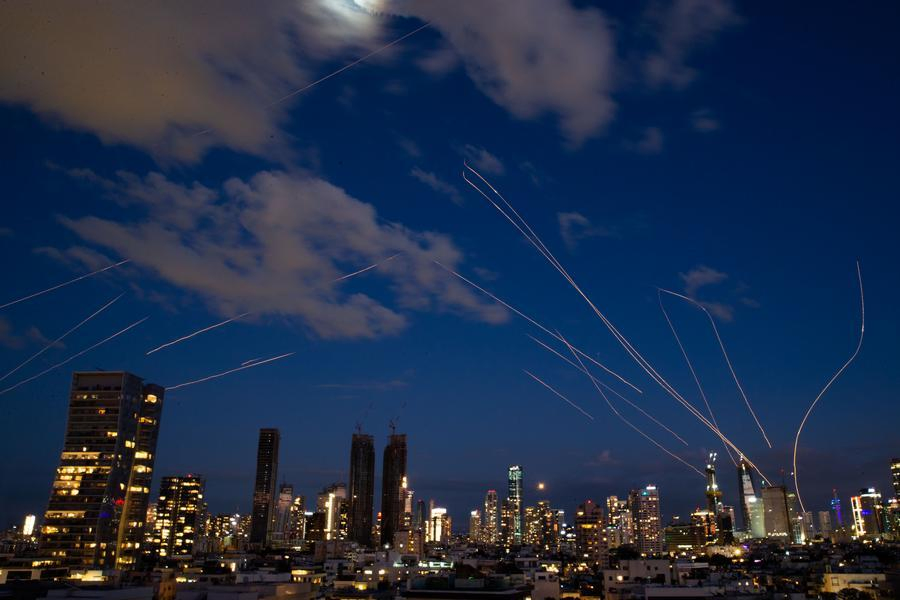
Missile defences listed include Patriot interceptor missile systems and THAAD anti-ballistic missile systems. The fact sheet also cited MQ-9 Reapers, M-142 High Mobility Artillery Rocket Systems, nuclear-powered aircraft carriers, guided-missile destroyers, and “special capabilities we can’t list here!”
Targets struck include “Command and Control Centres,” “IRGC Joint Headquarters,” “IRGC Aerospace Forces Headquarters,” “Integrated Air Defence Systems,” “Ballistic Missile Sites,” “Iranian Navy Ships,” “Iranian Navy Submarines,” “Anti-ship Missile Sites,” and “Military Communication Capabilities.”
Even as operations continued, senior House Democrats demanded detailed answers from the administration.
In a March 2 letter to top national security officials, lawmakers wrote: “The decision to initiate or expand armed conflict is among the gravest responsibilities entrusted to our government.” They added: “A number of our brave service members have already lost their lives in this conflict.”
The letter said Congress and the American people are owed “clear objectives, legal justification, and a defined strategy.” It said a classified briefing “must address strategy, intelligence, legal justification, and long-term consequences in concrete terms.”
Lawmakers requested answers on “Imminent Threat Justification,” “Strategic Objectives and Victory,” “Regime Change,” “Nuclear Security,” risks to the “Strait of Hormuz and Maritime Security,” and the “Costs and Impacts on Munitions Inventories.”
The United States and Iran have had adversarial relations since 1979. Tensions have centred on Iran’s nuclear programme, ballistic missile development, and support for armed groups in the region.
The Strait of Hormuz is a critical chokepoint for global oil shipments. Any sustained disruption there can affect energy prices and markets worldwide.