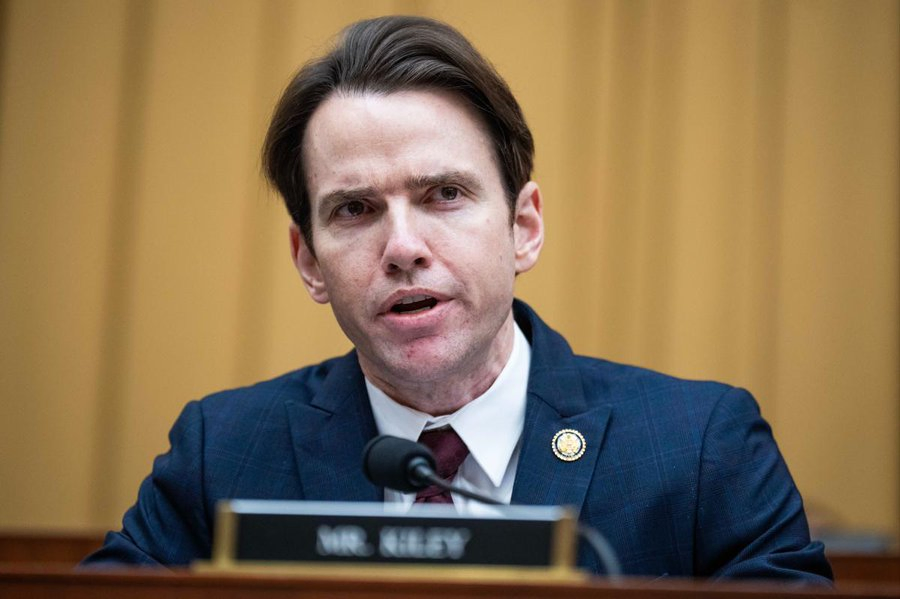
Washington, February 25 – US lawmakers debated the rapid spread of artificial intelligence in American classrooms, with teachers embracing time-saving tools but warning of risks to learning, privacy, and academic integrity.
At a Congressional hearing titled “Building an AI-Ready America: Teaching in the AI Age”, Congressman Kevin Kiley said AI is already widely used in schools. He cited survey data showing “60 per cent of US public school teachers used an AI tool for their work during the 2024-2025 academic year”.
He said teachers report clear benefits. “Teachers who use AI tools weekly estimate that they save about six hours a week,” Kiley said. Over a year, he added, that equals “nearly six weeks of extra teaching time”.
But he also pointed to gaps in preparation. “70 per cent of teachers admit they don't feel prepared to use the AI effectively in their classrooms,” he said. He warned of student misuse, noting that “a staggering 85 % expressed concern about student use of AI”.
Citing survey findings, Kiley said, “nearly 40 per cent of middle and high school students admit they've used AI without a teacher's permission to complete assignments”.
Michele Blatt, the state superintendent of schools in West Virginia, said her state adopted guidance rather than rigid rules. “Our guidance that we adopted in West Virginia in 2024 allowed us to begin to put some guardrails and some cautions,” she said. “We've since adjusted and done some edits twice to our guidance documents as new things have come up.”
Blatt stressed that “AI in the classroom will never replace our teachers”.
Indian-American Anish Sohoni, chief executive of Teach For America, agreed. “AI cannot replace teachers. AI is a tool, not the primary driver of learning,” he said. “Students learn best when they feel safe and connected. We know that relationships drive learning.”
He said his organisation has trained thousands of educators. Since 2020, “more than 4800 of our teachers have received training on how to use AI responsibly,” he said.
David Slykhuis, representing teacher education colleges, said AI is already embedded in classrooms. “AI is not a future technology,” he said. He warned against rushing adoption. “We need to ensure, as we move forward, teaching about and with AI, that we do not become overly tech reliant and that critical thinking skills remain imperative.”
He added, “It may be a great mantra for a tech company to move fast and break things when the thing that gets broken is an app. If you're a teacher, the thing that gets broken is a student.”
Alison Knox, senior director of education and workforce policy at Microsoft, said teachers want “guidance and guardrails”. She addressed privacy concerns directly. Microsoft “does not leverage the students' data to inform any of our AI models, nor do we provide it to any third-party providers,” she said. She added that districts agree “they will not allow a child under the age of 13 to use a chatbot”.
Artificial intelligence tools, including chatbots and automated lesson planners, have spread quickly across US schools in the past two years. Districts are experimenting with policies as technology evolves. Lawmakers from both parties said teacher training and clear safeguards will be key.