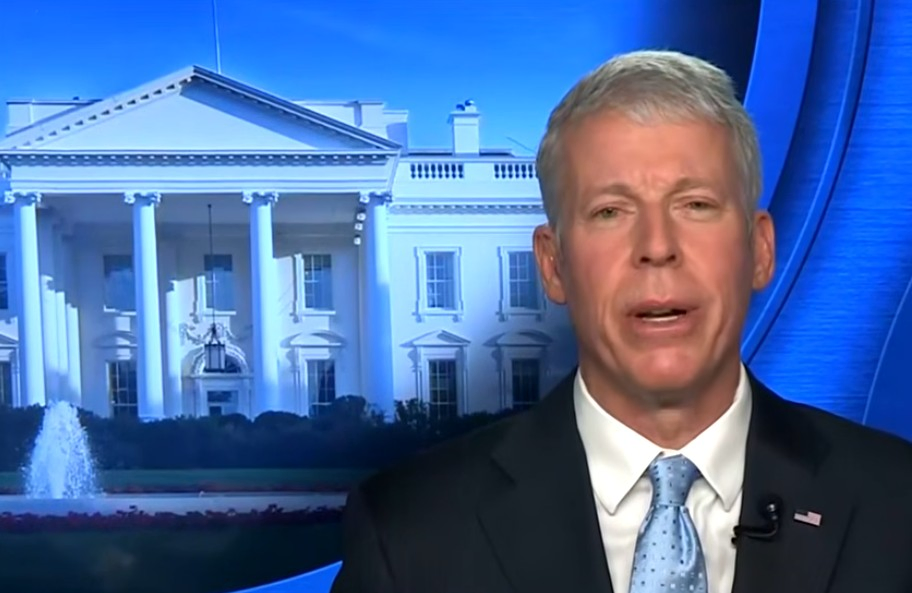
Washington, March 8 – US Energy Secretary Chris Wright said on Sunday that more than 100 million barrels of Russian crude are currently floating at sea, waiting to be delivered to China. He believes that redirecting this oil to other refineries could temporarily ease disruptions in the global energy market.
"There are more than 100 million barrels of Russian crude waiting to be delivered to China," Wright said in an interview with CBS News.
"This oil will be sold and refined, but that could happen in one or two months."
These comments came as global oil markets reacted to disruptions linked to the ongoing conflict involving Iran, which has disrupted shipping routes and driven up fuel prices.
Wright said that Washington has taken a pragmatic step to help ease the supply dislocation affecting refineries in Asia and Europe.
"In a pragmatic way, without changing US policy towards Russia, we told the Indians to bring this oil into their refineries," he added.
"If you're experiencing a shortage of crude, prices are rising, so draw down the Russian crude stocks that are sitting offshore."
According to Wright, the current spike in oil prices is driven more by logistical disruptions than by a genuine shortage of crude supplies.
"The world has ample oil supplies. There is no energy shortage in the Western Hemisphere," the US Energy Secretary said.
"The United States is a net exporter of oil, and a large net exporter of natural gas."
However, he noted that refineries in Europe and Asia were facing interruptions because normal shipping routes and supply flows had been affected.
"But there are massive energy reserves around the world," Wright said, adding: "What you're seeing is emotional reactions and fear that this is a long-term conflict. This is not a long-term conflict."
He said that the US military was currently focused on restoring stability in the Strait of Hormuz, a vital oil transit corridor through which nearly 20 million barrels of crude typically pass each day.
"All of our military assets are currently focused on ending Iran's ability to harm its neighbors, threaten American soldiers, and threaten ship traffic in the Strait of Hormuz," Wright said.
He added that the conflict had already reduced Iran's operational capabilities.
"Their missile launches have decreased by 90 per cent, and drone launches have decreased by more than 80 per cent," Wright said.
"I think that in the relatively near term, you'll see their capacity so low that we'll see more normal ship traffic return to the Strait of Hormuz."
Wright added that some early tanker movements may require direct protection from the US military.
"Yes, there could be -- early tankers will probably require some direct protection by the US military," he said, adding that the US was engaging with shipping operators seeking to move tankers out of the Gulf.
The US Energy Secretary also said that the Trump administration remained focused on limiting the impact of the crisis on fuel prices.
"Right now, we're concerned about Iran and fixing a 47-year-old problem, and we're concerned about American consumers," Wright added.
"We want to stop the rise in gasoline and diesel prices."