Islamabad, February 26 – A leading minority rights group in Pakistan expressed serious concerns on Thursday regarding the increasing misuse of the country's blasphemy laws, stating that they are increasingly being used as "tools of fear, control, and profit."
Citing human rights groups, which describe the law as a growing "blasphemy business," the Voice of Pakistan Minority (VOPM) stated that "fabricated screenshots, doctored images, fake social media accounts, and false witness statements" are used to trap vulnerable individuals in cases that can carry the death penalty.
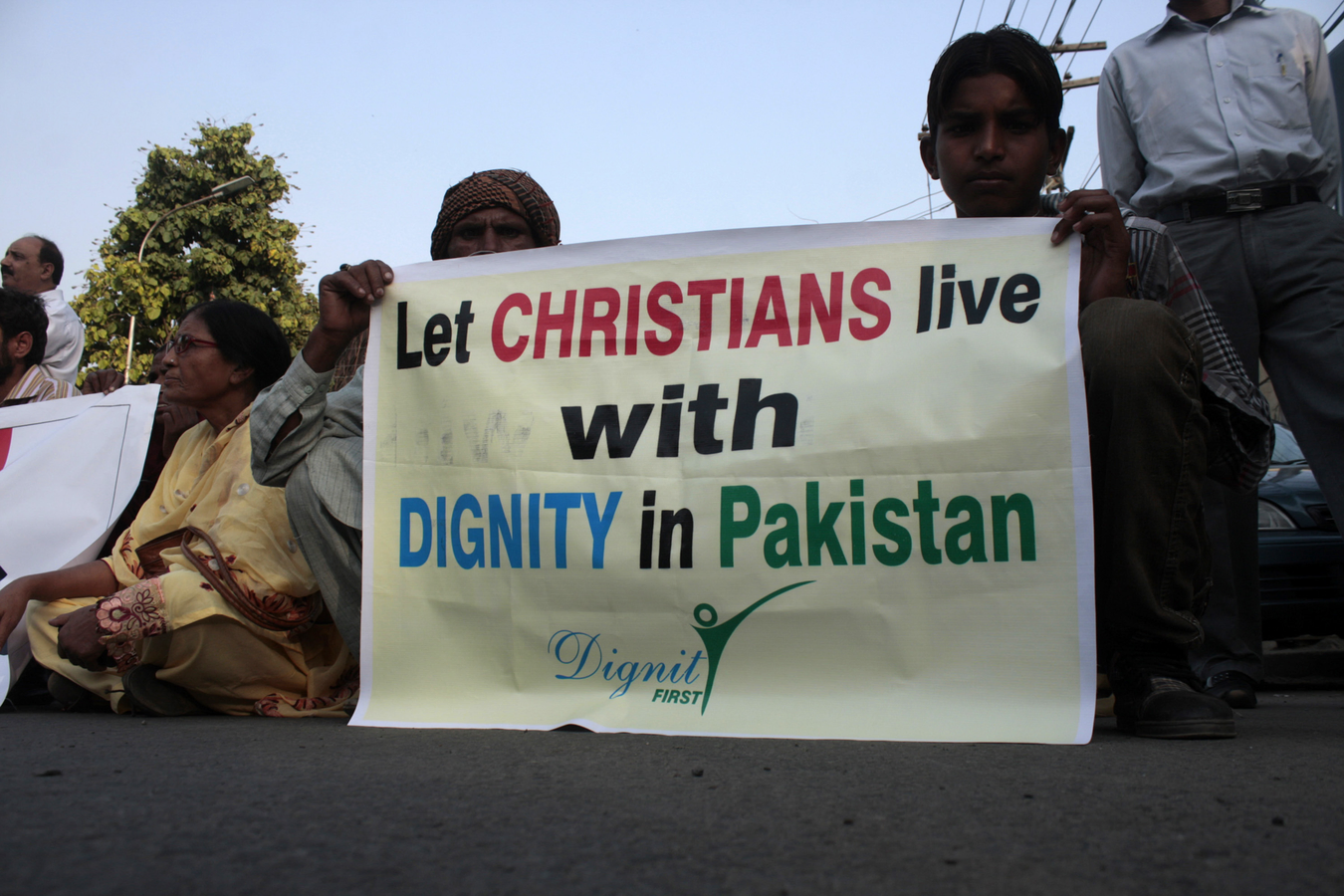
The rights body emphasized that for Pakistan's religious minorities – Christians, Ahmadis, Hindus, Sikhs, and Shia Muslims – blasphemy allegations are not merely abstract legal risks but pose a constant threat.
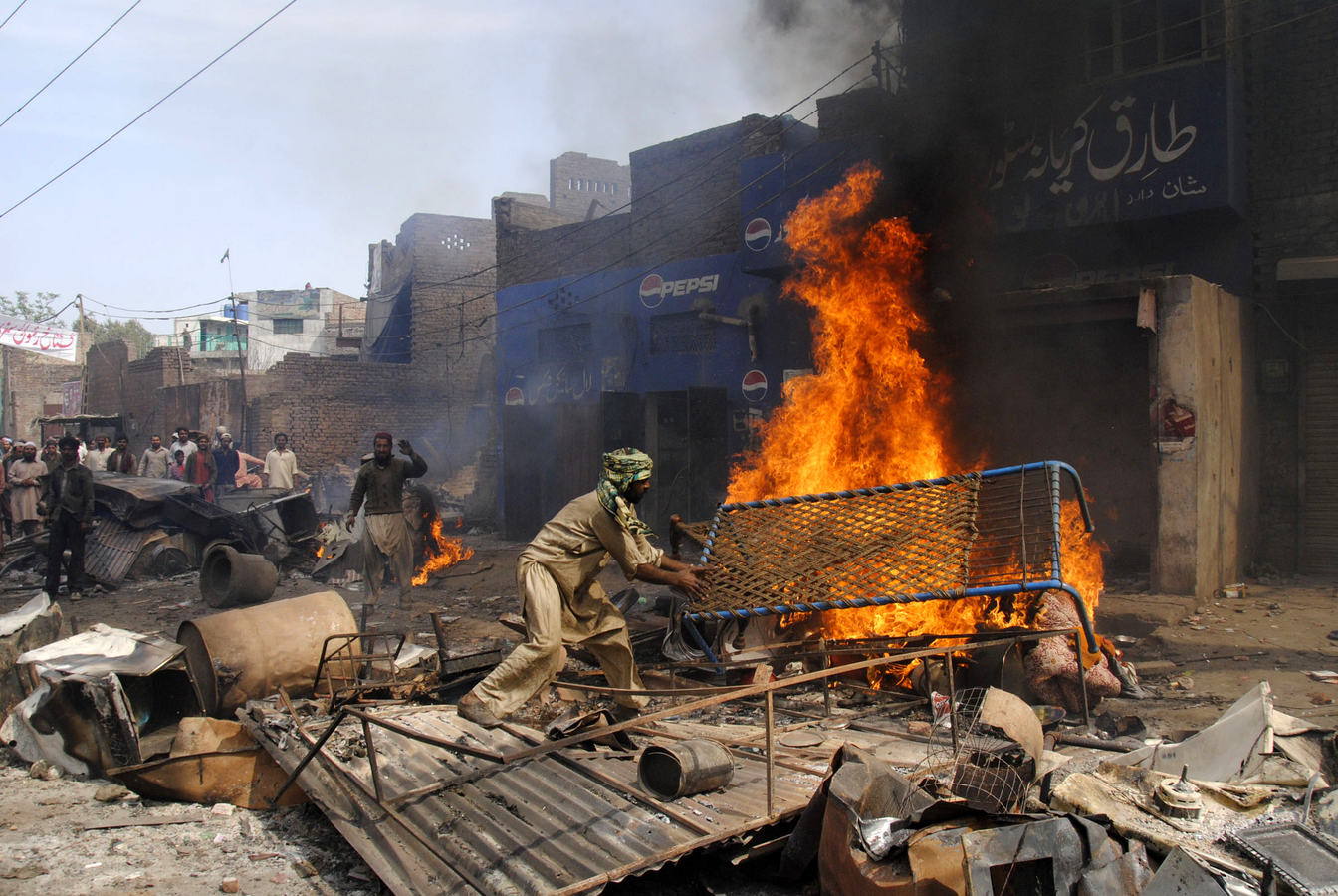
"Already facing social discrimination and economic marginalization, these communities can be devastated by a single accusation. Mobs gather within hours, families flee, jobs are lost, and reputations are permanently damaged," the VOPM stated.
"Between 1994 and 2025, at least 104 people were killed extrajudicially following blasphemy allegations. In this climate, the law does not merely punish – it terrifies," it added.
The VOPM highlighted concerns raised by several human rights organizations regarding the role of Pakistan's Federal Investigation Agency (FIA), particularly its Cyber Crime Wing, for registering cases without proper forensic verification and acting on anonymous tips.
Meanwhile, it said, private vigilante groups, including those linked to the radical Islamist party Tehreek-e-Labbaik Pakistan, actively pursue alleged blasphemy cases online, while the Legal Commission on Blasphemy in Pakistan openly campaigns to take "decisive action" against alleged offenders.
"This combination – public pressure, organised activism, and weak safeguards – creates fertile ground for extortion. Victims are often forced to pay intermediaries or flee their homes to survive," the VOPM noted.
According to the rights body, the problem extends beyond misuse, highlighting that the blasphemy law allows allegations to carry immense weight before evidence is properly tested. It stated that accusations are weaponized against the poor, minorities, and socially marginalized.
"For the wealthy and well-connected, legal defense may be possible. For others, survival depends on silence, flight, or payment. As long as the death penalty remains attached to blasphemy laws, these provisions will continue to attract vigilantes, opportunists, and organised extortion networks," the VOPM emphasized.
Asserting that the Pakistani authorities have failed to protect the most vulnerable, the rights body said, "The judiciary and law enforcement often act as enablers rather than safeguards. Until Pakistan dismantles the legal and institutional mechanisms that allow blasphemy to function as a tool of intimidation, fear will remain the law of the land."