Islamabad, April 8 Leaders from around the world, including Australia, Germany, Britain, New Zealand, and Malaysia, welcomed a two-week ceasefire between the US and Iran on Wednesday.
The US and Iran agreed on a conditional two-week ceasefire that included the opening of the Strait of Hormuz for shipping.
UN Secretary-General Antonio Guterres welcomed the US-Iran two-week ceasefire, his spokesperson said, while urging all parties to work toward long-term peace in the region.
Australian Prime Minister Anthony Albanese and Foreign Minister Penny Wong welcomed the truce to negotiate a resolution to the conflict in West Asia.
"Australia welcomes the agreement by the United States, Israel, and Iran to a two-week ceasefire to negotiate a resolution to the conflict in the Middle East," the statement said.
"We have been clear that the longer the war goes on, the more significant the impact on the global economy will be, and the greater the human cost," it added.
Albanese and Wong thanked the mediators—including Pakistan, Egypt, Turkey, and Saudi Arabia—and said Australia "wants to see the ceasefire upheld and a resolution to the conflict".
UK Prime Minister Keir Starmer said he welcomed the ceasefire agreement reached overnight, which would bring a moment of relief to the region and the world.
"Together with our partners, we must do all we can to support and sustain this ceasefire, turn it into a lasting agreement, and reopen the Strait of Hormuz," he said in a post on X.
German Chancellor Friedrich Merz welcomed the ceasefire, saying, "The aim now is to negotiate a lasting end to the war. We are in close coordination with our partners on this matter."
New Zealand Foreign Minister Winston Peters also welcomed the announcements by the US and Iran.
"While this is encouraging news, there remains significant important work to be done in the coming days to secure a lasting ceasefire," he said in a social media post.
"We are grateful for the work of Pakistan, and others such as Turkey and Egypt, to seek to find a solution to the crisis," Peters added.
Malaysian Prime Minister Anwar Ibrahim also welcomed the ceasefire and called for lasting peace in the region.
"Malaysia urges all parties to fully respect and implement all terms of the ceasefire in good faith to prevent any return to hostilities," Ibrahim said.
UK Foreign Secretary Yvette Cooper said, "This is a vital step towards establishing some security and stability in the region and getting international shipping and the global economy moving properly again."
"I also welcome the proposed talks between the US and Iran scheduled for later this week and thank Pakistan and all those involved for their continued work on the negotiations," she said.
Kazakh President Kassym-Jomart Tokayev welcomed the "achievement of an agreement on a full ceasefire and truce in the Middle East".
"This gives diplomacy a chance, at a moment when the world stood on the brink of a dangerous escalation," Norwegian Foreign Minister Espen Barth Eide said.
EU High Representative for Foreign Affairs and Security Policy Kaja Kallas said the US–Iran agreement is a "step back from the brink after weeks of escalation".
"It creates a much-needed chance to tone down threats, stop missiles, restart shipping, and create space for diplomacy towards a lasting agreement. The Strait of Hormuz must be open for passage again," she added.
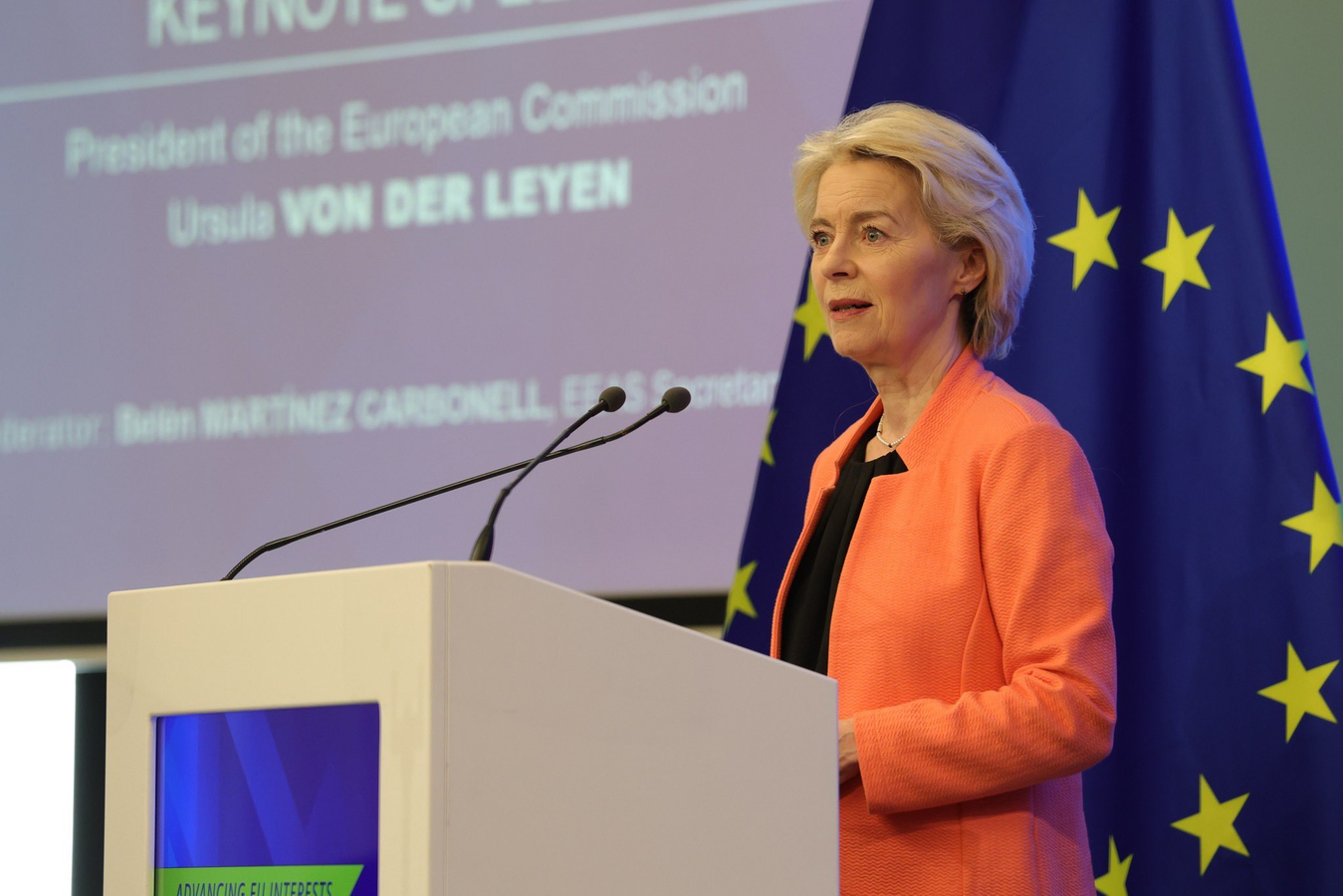
President of the EU Commission Ursula von der Leyen said, "It brings much-needed de-escalation. I thank Pakistan for its mediation. Now it is crucial that negotiations for an enduring solution to this conflict continue."
Swedish Foreign Minister Maria M Stenergard also lauded Pakistan among others for mediating peace between the US and Iran.
"It is welcome that the United States and Iran, following important mediation efforts by, among others, Pakistan, have agreed to a two-week mutual ceasefire, which could also create conditions for restoring free passage through the Strait of Hormuz," she said.
Trump on Tuesday evening (US time) said he had agreed to the two-week ceasefire with Iran after discussions with Pakistan Prime Minister Shehbaz Sharif and Chief of Army Staff Field Marshal Asim Munir.
The US and Israel jointly attacked Iran on February 28, killing Iranian Supreme Leader Ayatollah Ali Khamenei and several top commanders.
The retaliation by the Islamic Republic extended the war to the entire Gulf region. Iran's chokehold on the Strait of Hormuz, a vital waterway through which a fifth of global oil passes, had halted shipping and sent global oil prices soaring.