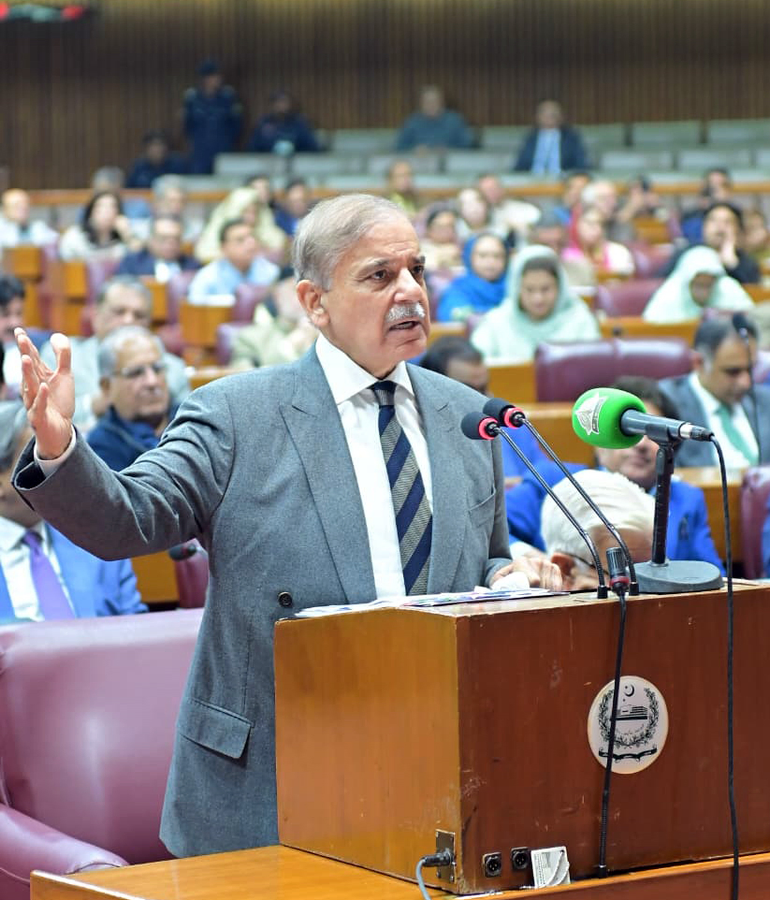
New Delhi, February 18 – According to media reports, Pakistan's economic situation is likely to deteriorate in 2026 as geopolitical headwinds are reappearing.
There is visible friction in the relationship between Pakistan and the UAE, as evidenced by the monthly rollover of UAE deposits at a higher rate of 6.5%, despite the government previously anticipating a two-year rollover at half that rate. Potential investment from the UAE in Fauji Foundation companies remains uncertain, according to an article in the Karachi-based Business Recorder.
There has been no indication of any additional economic support from China. The second phase of the CPEC project is essentially on hold. There is little hope of renegotiating Chinese debt in the power sector, as the Chinese IPPs are refusing to waive late payment surcharges, which is delaying the settlement of the power sector's circular debt, despite banks agreeing to lend at sub-Kibor rates, the article stated.
It also highlights the growing security concerns in Balochistan, which have indefinitely delayed the Reko Diq financial close, despite it being touted as a game-changer.
"Most importantly, the government's warm and cordial relationship with the Trump administration is losing its appeal. The US has reached a trade deal with India at tariffs better than those for Pakistan. Bangladesh has also revised its tariff arrangement with the US to achieve zero duty on textile products while importing cotton from the US. Other countries continue to engage with the US and the rest of the world, while we bask in the glow of being close to Trump," the report added.
It also observes that the State Bank of Pakistan's (SBP) foreign exchange reserves of $4.3 billion are less than the increase in external public debt and liabilities, which stand at $7.2 billion during 2025. Therefore, external debt growth has outpaced reserves building by nearly $3 billion, even as the current account deficit remains at a mere $0.2 billion for the calendar year.
SBP's purchases of $5.2 billion from the interbank market during January to October 2025 were not enough to help raise reserves, considering the increase in debt and liabilities.
The SBP is responsible for arranging dollars to service government debt (principal and mark-up). This compels the SBP to buy virtually all surplus dollars arriving at bank treasuries, preventing banks from freely trading forex. This occurred despite favorable commodity prices, as oil prices dipped by 15% in 2025, the article points out.
FDI remained abysmally low, and the same fate befell other external inflows (excluding debt). There have been talks of investment and debt from friendly countries for three years, yet little has materialized so far, the article added.